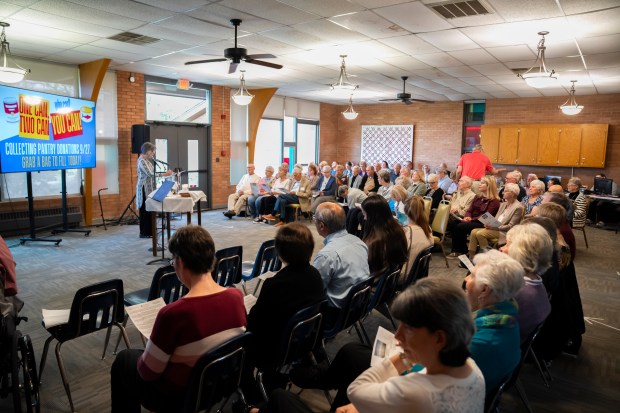
One winter night, a fire broke out in the Christ United Methodist Church in Rockford, Illinois. The fire began in the church organ during a practice session, but everyone managed to evacuate safely. Firefighters quickly controlled the blaze, which they found accidental, yet the sanctuary suffered extensive damage. To release smoke, firefighters shattered a beloved stained glass window depicting the crucifixion of Christ. This almost ten-foot-tall work was central to the church’s spirituality. After being broken, the pieces scattered inside and outside the building.
Deb Laskey, a church member from Winnebago, described the scene as “devastating,” particularly because the stained glass couldn’t be repaired. Yet, the congregation sought a new purpose for the broken glass. Mark West, a church trustee, and volunteer quickly collected as many shards as possible. He felt urgency to preserve them from being discarded. The pieces were taken to a local glassblower who transformed them into small pendants for church members. Each pendant serves as a keepsake, representing both the Passion of Christ and the congregation’s resilience.
Symbol of Resilience
Church attendees often wear these pendants to services, signifying a shared journey in rebuilding their church. Laskey, who owns a blue pendant, gifted several to family members, emphasizing the spiritual continuity they represent. The fire’s destruction resembled historical losses of religious art and the challenge of preserving sacred items. Fires, natural disasters, and church closures threaten many religious artifacts in Chicago and the entire country.
The window’s fragments, initially considered irreparable, found new life through recycling. Laura Johnson, the glassblowing studio owner, utilized her skills to melt and reshape the glass. The meticulous process heated the glass to 1,475 degrees and carefully cooled them to prevent cracking. Her work not only revitalized the stained glass but also returned unusable pieces to the church, keeping the materials sacred.
A New Beginning for Sacred Artifacts
The repurposing of sacred materials often arises from unfortunate events. Over decades, the Archdiocese of Chicago closed hundreds of parishes, transferring salvaged items to other churches. St. Raphael the Archangel Catholic Church in Lake County exemplifies recycling closed church parts. This church’s exterior, made from recycled limestone, highlights an architectural blend of legacy and renewal.
Beyond local projects, Iraqi Jewish American artist Michael Rakowitz re-creates ancient artifacts destroyed by war, aiming to preserve cultural heritage. His innovative approach connects modern materials with historical narratives. His “The Invisible Enemy Should Not Exist” series revives looted artifacts using contemporary Middle Eastern packaging.
Community Spirit and Ecumenical Bonds
After the fire, Christ United Methodist held services temporarily at a local synagogue, creating a new community bond. This unforeseen cooperation offered a fresh approach to shared worship spaces. In August, they celebrated with an outdoor service and picnic together on the church grounds.
The church continues to find blessings from adversity, forming relationships and reviving their place of worship. Worshippers embrace their new glass pendants as tokens of faith, history, and community resilience. While restoring the sanctuary, they embody hope, mirroring Christ’s resurrection in their revival.
Religious communities often face decisions regarding retired sacred items. Many denominations lack formal guidelines, leaving objects in a theological grey area. Professor James Bielo and his “Secondhand Sacred” project examine the circulation of religious artifacts, exploring their roles in devotion and history. His collection, including traditional and pop-culture items, demonstrates the evolving significance of sacred materials.
Continued study of these artifacts allows for deeper understanding and appreciation of their spiritual value. Yet the need for permanent storage of such collections remains. As society grapples with faith objects’ fates, integration and renewal remain central to preserving religious heritage.
 Terry Bradshaw Shares His Battle with Depression
 Ghost Stories and Their Lasting Impact
 Celebrating 45 Years of iO Theater’s Long-Form Improv Excellence
 Economic Trends, Security Incident, and Cultural Icon Passing Impact on Society
 Lawrence Wright’s ‘Redemption’ Explores Unlikely Sisterhood
 Theodore Roosevelt Library Opens in North Dakota