As America approaches its 250th anniversary, citizens reflect on how to celebrate this milestone. This year’s Fourth of July marks a quarter of a millennium since the Declaration of Independence. Celebrations traditionally include fireworks, parades, and flying the flag. Under President Donald Trump’s administration, additional events like cage matches, a street race in Washington, a Christian jubilee, and a rally are planned.
Local celebrations across the country vary. Judy Woodruff and the “America at a Crossroads” team document these, inviting PBS News viewers to share their plans. Many responses discussed both celebration preparations and reflections on the nation’s history.
Reflections on History
For some, this anniversary prompts deeper reflection on America’s past. Richie Comia, from Virginia Beach, emphasizes acknowledging the full scope of American history, including the costs associated with the nation’s development. Comia’s family, immigrants from the Philippines, instilled in him the understanding that complete acceptance might be elusive. Despite limited plans for celebration, he contemplates the historical realities like slavery that existed post-independence.
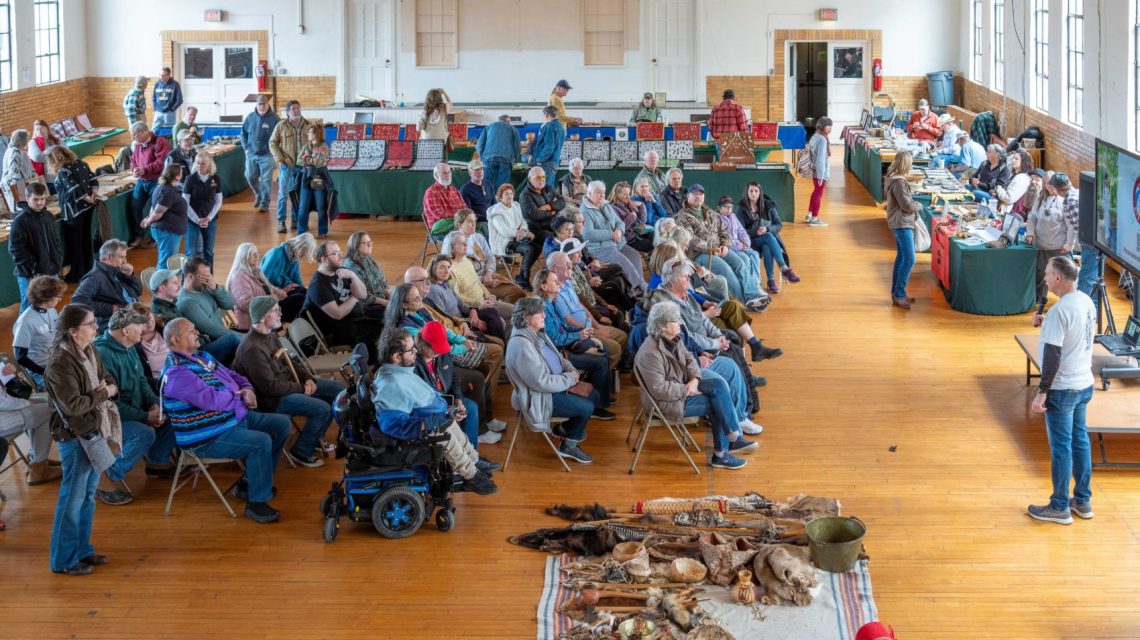
Cindy Orban, from Talbot County, Maryland, celebrates both America’s milestone and the 365th anniversary of her county. As part of the Talbot250 Commission, Orban focuses on stories predating the United States’ founding. Native American artifacts are found in local farms, revealing a history that predates colonization. Events highlight Indigenous narratives, and planned podcasts explore segregation, civil rights, and Black watermen’s stories. Orban stresses the importance of sharing stories often untold.
Personal Perspectives
Madeline Troche-Rodriguez from Chicago chooses not to celebrate. For her, the U.S. takeover of Puerto Rico 128 years ago holds more significance. Her home features symbols of Puerto Rican resistance. Troche-Rodriguez aspired to return to Puerto Rico after grad school, but economic conditions prevented her. She reflects on these historical facts without resentment.
Casey Brennan in Pittsburgh looks forward to a July 4 block party. He values human connection over digital interactions. Brennan believes conversations reveal common goals beyond political differences. Similarly, Michael Robinson, from Washington state, views America as a collaborative mix of diverse elements. Despite mismanagement concerns, Robinson feels optimistic about the country’s spirit.
Concerns and Celebrations
Catherine Hutchison in Memphis contemplates this year’s celebrations with apprehension. Law enforcement presence, ordered by Trump to combat local crime, raised tensions. She worries about increasing governmental overreach. Hutchison plans to recall a defining moment in U.S. history: George Washington’s resignation in 1783. Her husband’s recounting of Washington stepping down from military leadership serves as a reminder of patriotism and leadership.
As the Fourth of July approaches, these diverse perspectives underline varied personal and collective reflections. While celebrations abound, mindful acknowledgment of history remains essential.
A free press supports democracy. We value trusted journalism and civil dialogue.
 Google and Apple Calendars Reflect Ongoing Debate Over Columbus Day and Indigenous Peoples’ Day
  Houthi Attack Leads to Fallout in Wrestling World
  Incident at Six Flags Over Georgia: One Fatality and Several Injuries
  Arizona Voters Prioritize Water Concerns in Upcoming Midterms
  Southern California Secures Safety Amid Coastal Erosion
  2026 Atlantic Hurricane Season Overview