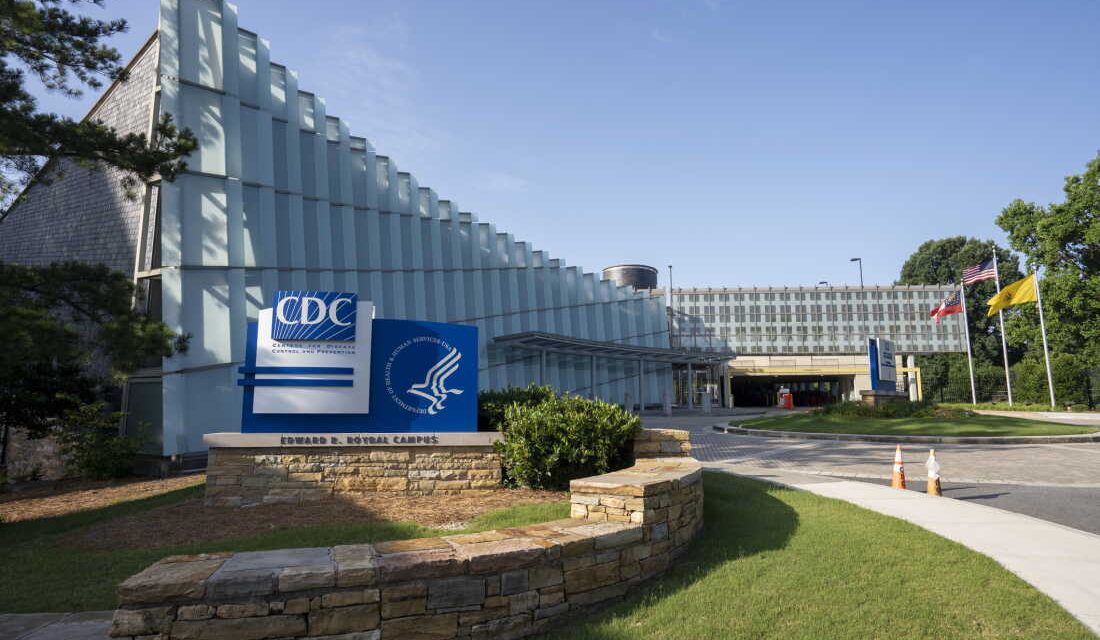
The David J. Sencer CDC Museum stands at the CDC headquarters in Atlanta, Georgia, home to the U.S. national public health agency under the Department of Health and Human Services. Recent developments reveal troubling trends in public health.
A resurgence of measles in the U.S. highlights declining vaccination rates. With flu, COVID-19, and RSV also brewing, experts voice concerns about the reliability of CDC’s health information.
Dr. Demetre Daskalakis, who stepped down as director of the National Center for Immunization and Respiratory Diseases, cites political interference as problematic. Issues arose when Pennsylvania officials linked two measles-related deaths to the viral infection. Health and Human Services Secretary Robert F. Kennedy Jr. questioned the deaths, prompting the CDC to remove the information from their website. Daskalakis calls this interference problematic.
When a state reports a measles death, the CDC typically relies on state assessments for public alerts. The secretary’s dispute with the state’s findings and the CDC’s response threaten state-federal relationships vital for public protection.
Strained ties from the Trump administration already destabilized these partnerships. Dr. Anne Zink warns of troubling coordination breakdowns between states and the federal government, emphasizing the importance of collaboration for public well-being.
There are also concerns about the CDC’s data reliability concerning measles and other diseases like flu, COVID-19, and RSV. Dr. Georges Benjamin stresses the need for evidence-based national data to manage public health. Political pressure on the CDC could obscure information critical to public trust and health safety.
Amid these issues, Dr. Erica Schwartz, the new CDC director, faces challenges restoring agency morale and credibility. Her handling of the Pennsylvania measles cases signals daunting tasks ahead.
Dr. Debra Houry, another former CDC official, calls for Schwartz to prioritize outbreak responses and advocate for kindergarten vaccinations, as declining rates challenge public health commitments.
Despite repeated requests, neither the CDC nor the Department has provided comments regarding these ongoing concerns.
 CDC Declares End to Parasite Outbreak Linked to Mexican Lettuce
  Pilot Helps Nervous Flyers Through Psychology and Breathing Techniques
  988: An Alternative to 911 for Mental Health
  Potential Fat-Burning Benefits of Blueberry and Grape Compound
  Nocturia and Its Impact on Sleep and Health
  Tackle HIV: Gareth Thomas and Brazilian Advocates Break Barriers