
Two significant events on Tuesday highlighted issues within the national Democratic Party: a meeting and an election, both indicating challenges on the American left.
Meeting in Washington, D.C.
The first event was in Washington, D.C., involving Graham Platner, the presumptive Democratic Senate nominee from Maine. Platner, known for his controversial past, including a covered-up tattoo once seen as a Nazi symbol, met with party members. Despite controversies, Platner’s candidacy proceeded as planned, with no intervention from party leaders—a sign of shifting power dynamics. Previously, a single call from party leadership might have ended his run, but those days seem to be past.
Senate Minority Leader Chuck Schumer voiced strong support for Platner, stating, “We’re going to beat Susan Collins and take back the Senate.” This sentiment was shared by other Democrats, indicating no attempts to challenge Platner’s candidacy.
Challenges and Shifts
Democratic Socialists of America have gained influence, challenging traditional party control. Platner doesn’t rely on establishment endorsements, having support from progressives like Rep. Ro Khanna and Sen. Bernie Sanders. Financial backing comes from progressive billionaires, reducing dependency on establishment funds.
Similarly, in New Jersey’s 12th congressional district, party elites faced difficulty opposing Adam Hamawy. He has faced criticism for ties to controversial figures and organizations. Despite this, he made significant strides in his candidacy.
Implications for the Future
These shifts suggest a growing influence of far-left elements within the Democratic Party. Traditional leaders appear to struggle with this new dynamic. In California’s 11th district, Scott Wiener progressed to a runoff in the primary, facing competition from strong socialist candidates. Even former House Speaker Nancy Pelosi’s endorsement couldn’t secure an outright victory for Wiener.
This realignment reflects a broader change within the Democratic Party, moving away from old-school liberalism towards leftist populism. This wave threatens traditional Democratic power structures, much like the GOP faced with Donald Trump’s rise.
The Democratic Party’s evolving landscape could significantly impact future elections. Observers note parallels to the GOP’s past transformation, pointing towards possible future challenges for the Democratic establishment.
 House Republicans Release Transcripts in Jack Smith Investigation
 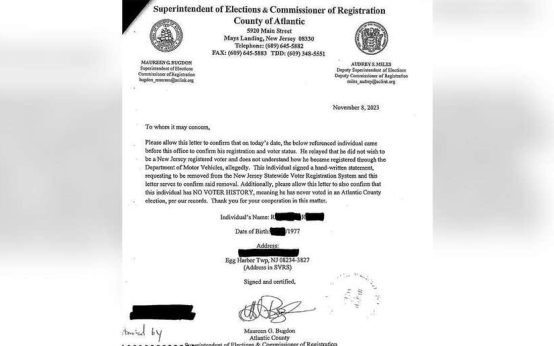 RNC Files Lawsuit for Transparency in New Jersey’s Voter Roll Maintenance
  Italian PM Giorgia Meloni Skips UN General Assembly Amid Growing Tensions
  Calls Grow for Ireland’s Soccer Team to Boycott Matches Against Israel
  Congressman Randy Fine’s Bold Political Stance and Views on AI Regulation
  Political Messaging and Strategy Leading Up to Midterms