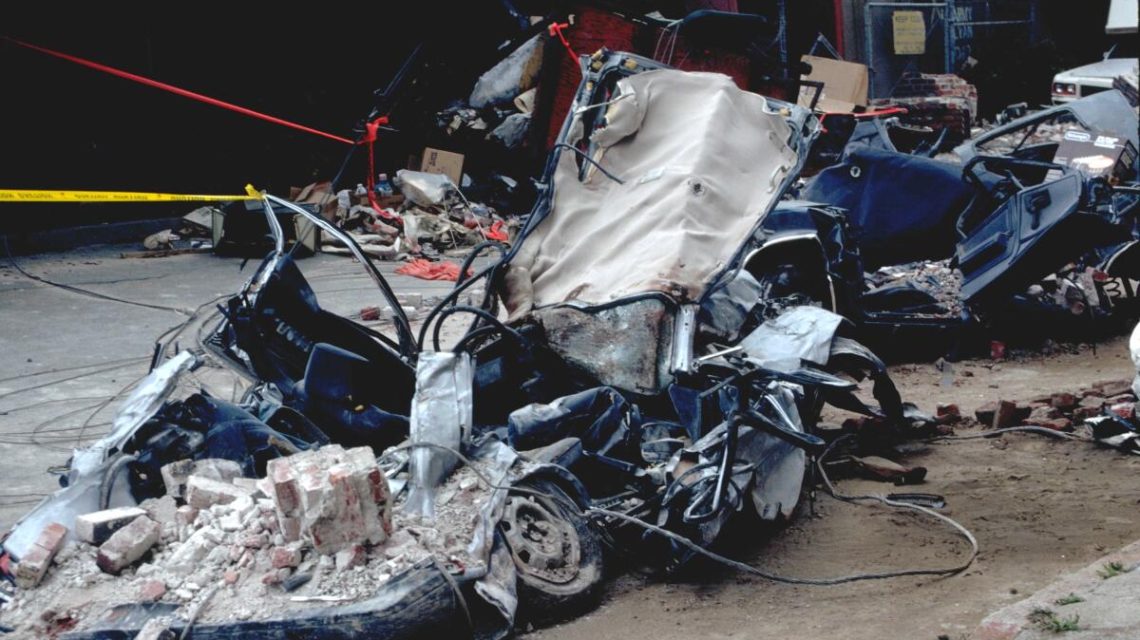
In the middle of the night, Southern California experienced a powerful shift, as the ground shook massive areas, affecting millions, damaging numerous structures, and breaching the California Aqueduct. More than a billion gallons of water cascaded into a long-dry desert basin. This earthquake, with a magnitude of 6 centered near North Palm Springs, occurred on July 8, 1986. While not as infamous as some historic California quakes, it marked the beginning of a seismic surge affecting the region for almost a decade.
For those in younger generations, such as millennials and Gen Zers, these types of seismic activities are unfamiliar. Major Californian cities have not faced significant quakes in the past 25 years, but this period of calm is unlikely to continue. “It’s a reminder that what a big chunk of the population has grown up with is not the long-term norm,” said seismologist Lucy Jones, from Caltech.
Although strides have been made in earthquake preparedness, like retrofitting select vulnerable buildings, progress varies. Los Angeles, for instance, has mandated retrofits for brick, wooden, and concrete buildings but hasn’t required inspections for potential hazards in steel skyscrapers. The Inland Empire, along the San Andreas Fault, has yet to enforce retrofits for old brick structures, risking dangerous debris falling during earthquakes.
The uneven progress in seismic readiness prompts scientists to review and update the ShakeOut scenario—a projection detailing potential effects of a 7.8 magnitude earthquake on the San Andreas Fault. When initially presented in 2008, the scenario predicted over 1,800 fatalities, 50,000 injuries, and economic losses exceeding $200 billion. Jones, originating this report, emphasized ongoing efforts and acknowledged missed opportunities.
With new funding, efforts are underway to update the ShakeOut scenario. Large-scale disasters await and preparedness determines severity. According to the ShakeOut report, a catastrophe emerges when society is ill-prepared for extensive disruption, with impacts lasting decades.
Shakeout 2.0 could explore possibilities like a massive urban fire, tenfold larger than previous incidents, caused by a 7.8 quake.
In 2008, reports indicated Southern California’s vulnerability was linked to inadequate water supplies post-quake, which would hinder firefighters from controlling widespread fires. A conceivable scenario involves multiple simultaneous fires across San Bernardino, Riverside, Santa Ana, and South L.A., which could result in nearly 900 deaths and $90 billion in damage.
The potential health consequences of such fires are extensive. Jones stressed that air pollution from these events could dramatically increase aerosolized heavy metals like lead and arsenic.
Even though California experiences fewer earthquakes than regions like Japan or New Zealand, it remains vulnerable to massive quakes. Previous significant quakes include the 1857 magnitude 7.9 event in Southern California and the 1906 Northern California quake. Following the 1986 event near North Palm Springs, 1987 saw the magnitude 5.9 Whittier Narrows quake, which resulted in multiple fatalities.
Subsequent earthquakes escalated in impact, such as the 1989 Loma Prieta earthquake in Northern California, which claimed 63 lives and caused $6 billion in damage. The sequence continued in Southern California with notable quakes like the 1991 Sierra Madre event and the 1992 Landers quake, which struck with a magnitude of 7.3, subsequently triggering another earthquake in Big Bear.
The 1994 Northridge earthquake, with a magnitude of 6.7, resulted in 60 deaths and approximately $40 billion in damages. Though less notorious due to their remote locations, more recent quakes, including the 1999 Hector Mine, 2010 Easter Sunday, and 2019 Ridgecrest events, demonstrate California’s ongoing seismic hazards. The latter caused significant damages, although the desert locations limited their wider societal impacts.
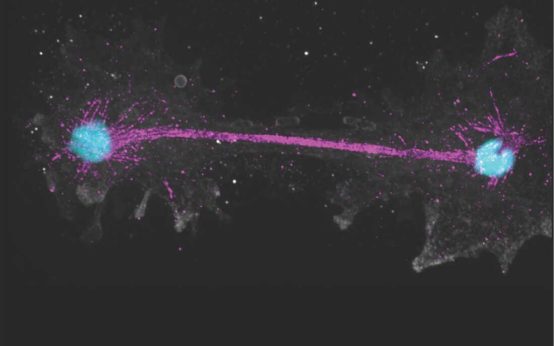 The Discovery of Incendiamoeba cascadensis: A Fire Amoeba
 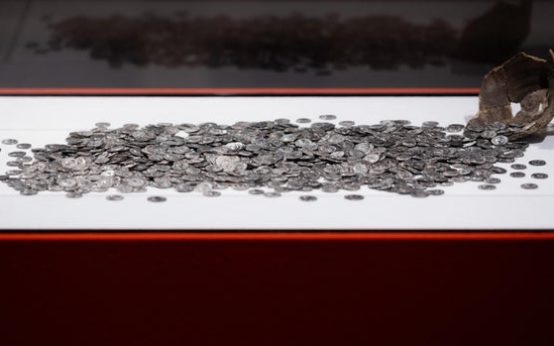 Archaeological Discovery in Germany: Largest Hoard of Roman Coins Found
  Cold Weather Alerts and El Niño Influence
 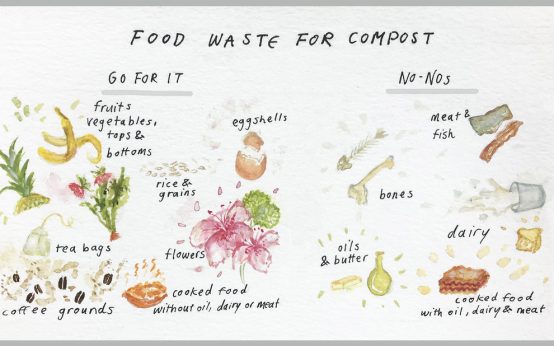 Turning Home Food Waste into Compost: A Guide
  Chicagohenge: When Sunlight Aligns with City Streets
  Fat Bear Week 2026: A Look at the Contest and Its Competitors