
The United States and Iran engaged in fresh military strikes early Thursday amid accusations of ceasefire violations. President Trump recently stated that he believes the ceasefire is over.
Military Engagement
The U.S. military launched strikes to weaken Iran’s capability to threaten commercial ships in the Strait of Hormuz. These strikes targeted about 90 sites, including missile and drone storage locations and air defenses.
In retaliation, Iran launched drone and missile attacks on American bases in Kuwait and Bahrain. The Islamic Revolutionary Guards Corps warned of broader retaliation if U.S. strikes continued.
Impact on Transportation and Infrastructure
No immediate damage was reported in Kuwait or Bahrain, although efforts to intercept drones and missiles are ongoing. The U.S. also struck a railway line that disrupted service between Tehran and Mashhad.
Response From Leaders
President Trump cited Iranian attacks on commercial ships as the reason for U.S. actions, and hinted at possible negotiations despite rising hostilities. Iranian officials have yet to confirm interest in new talks.
Oil Market Movements
The conflict has increased oil prices, with Brent crude rising to around $79 per barrel. These prices, although down from wartime peaks, remain above pre-conflict levels. A volatile stock and bond market reflects investor concern.
Ongoing Conflict
Hostilities centered on the Strait of Hormuz, key for global oil transport. Iran seeks to control the passage, spurring more strikes. The U.S. has launched numerous attacks on Iranian targets, affecting Iran’s defenses and shipping capabilities.
The military clashes have brought a halt to a temporary ceasefire. The Memorandum of Understanding for peace talks now appears at risk, with both nations accusing each other of undermining the agreement.
Internal Conflict in Iran
The escalation has also intensified internal debates within Iran. Hardliners oppose negotiations while other officials advocate for dialogue with the U.S. The situation has drawn scrutiny during the funeral of Iran’s supreme leader, Ayatollah Ali Khamenei.
Security Measures and Air Force One
Security concerns prompted President Trump to switch to the older Air Force One model for his return from Turkey. The choice reflects ongoing tensions and the perceived threats from Iran.
Conclusion
The recent military actions have strained efforts for peace, with potential negotiations and further conflict on the horizon. The actions of both the U.S. and Iran continue to impact global energy markets and regional stability.
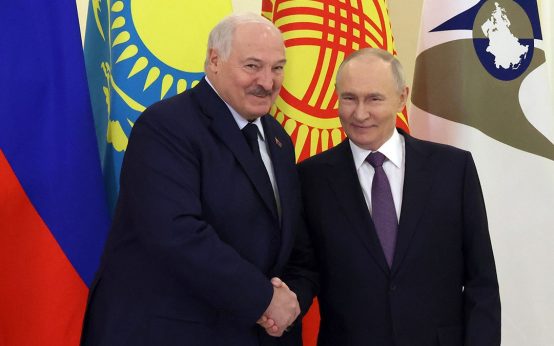 Lukashenko and Putin’s Unique Relationship and Belarus’ Strategic Role
 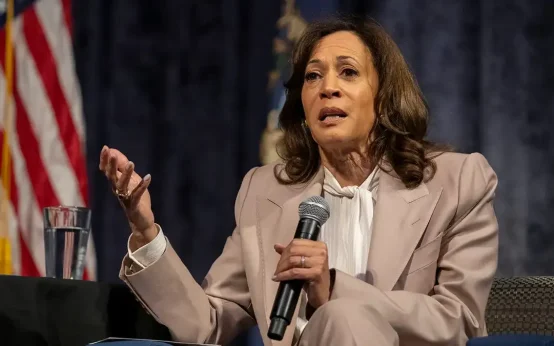 Harris Discusses Potential 2028 Presidential Run
  Far-Left Groups Allegedly Organize Protests in Austin
 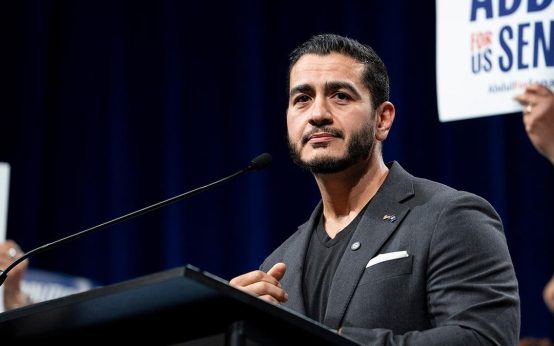 Michigan Senate Nominee Abdul El-Sayed Criticized for Remarks on Reproductive Rights
  Alan Ritchson Faces Backlash Over Political Remarks
 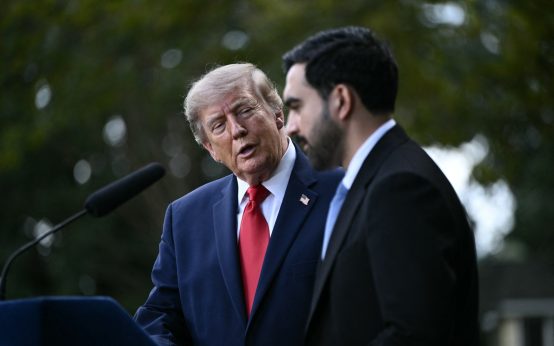 Poll Reveals Voter Preferences Between Socialist Democrats and MAGA Republicans