Iran has announced intentions to retaliate against recent U.S. sanctions, labeling these measures as an “economic terrorist attack.” Iran’s Economy Minister, Ali Madanizadeh, expressed dissatisfaction during a televised interview, asserting Iran’s readiness to counter the pressure. “We know how to play the game too,” Madanizadeh remarked, emphasizing their capability to respond.
Current U.S. sanctions on Iran date back to 1979, following the hostage crisis at the American embassy in Tehran. Despite international pressure, China and Russia have shown no indication of yielding to U.S. demands. China’s Foreign Ministry spokesperson, Lin Jian, voiced opposition to “illegal unilateral sanctions,” as reported by China’s state-run agency, Xinhua.
Madanizadeh hinted that the Iranian response could include more than defensive measures, although details remain unspecified. He highlighted Iran’s strategic preparations to withstand economic challenges, revealing a two-year plan in development without divulging specifics.
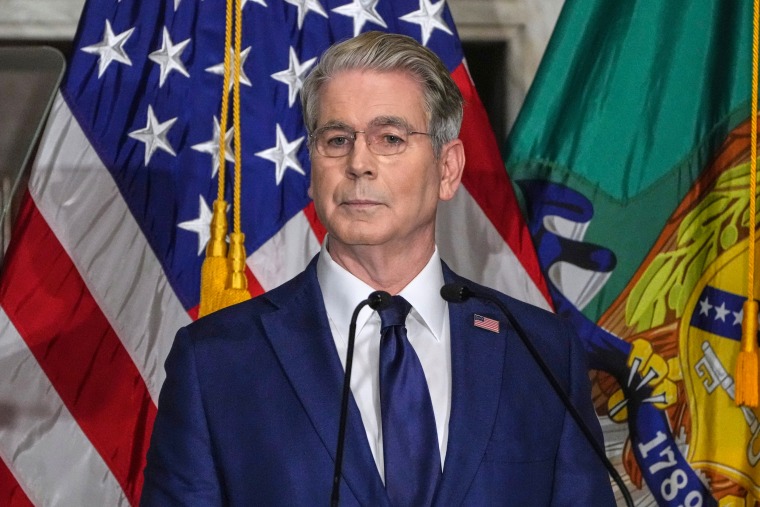
On Monday, U.S. Treasury Secretary Scott Bessent introduced further sanctions against Iran, termed as an “economic D-Day.” He cautioned that countries doing business with Tehran risk isolation. While Bessent refrained from exacting penalties, he noted that President Donald Trump is urging global leaders to sever ties with Iran.
The U.S. Treasury detailed its “Operation Economic Outcast” initiative, broadening categories subject to secondary sanctions, targeting sectors such as digital assets, technology, gold, aviation, and shipping. Nearly 60 entities across various jurisdictions face sanctions for assisting Iran’s actions. This follows a decision by the United Arab Emirates to cease financial transactions with Iran.
In Tehran, public reactions to the U.S. measures appear mixed. Farzin, a mechanic, expressed indifference towards the announcements. “It’s nothing new,” he commented, noting that sanctions have yet to severely disrupt his business. Resources continue to enter Iran through land borders, despite legal constraints. His stance reflects skepticism among locals about the psychological aspect overshadowing tangible impacts.
Andreas Krieg, a lecturer from King’s College London, described Iran’s response to sanctions as one of defiance. He analyzes Tehran’s perspective of U.S. actions as economic warfare aimed at regime stability rather than leverage for negotiation.
Iran’s President Masoud Pezeshkian criticized the U.S. approach, advocating for respectful engagement to avoid complicating relations further.
Krieg anticipated increased Iranian activity in the Strait of Hormuz, a pivotal oil supply route. Following U.S. and Israeli military operations in February, the strategic waterway faces blockades from both Iran and the U.S., affecting global energy prices.
Additionally, Iranian media’s threats towards Barron Trump have heightened security concerns. Secret Service spokesperson Nate Herring acknowledged awareness of the video, reiterating their commitment to evaluating potential threats while maintaining operational secrecy.
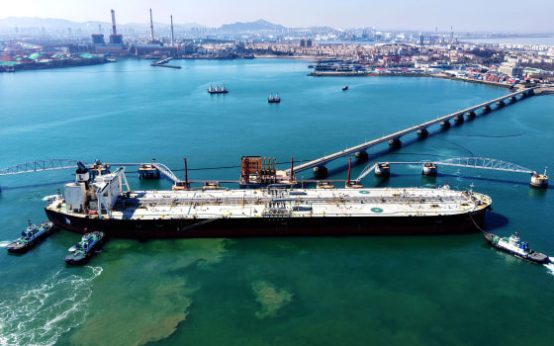 U.S. Economic Isolation Strategy for Iran Faces Resistance from China
 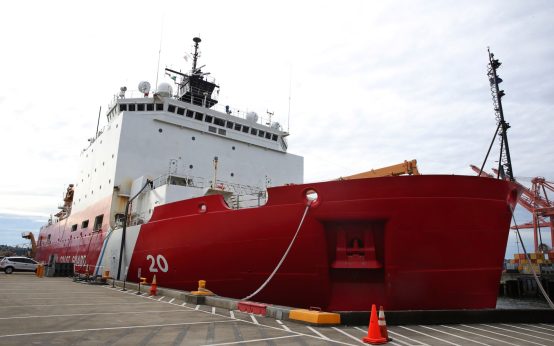 U.S. Icebreaker Construction Faces Delays as Finland Steps In
 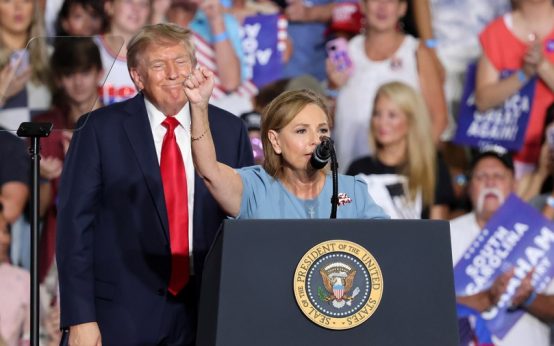 The Latest Developments in U.S. Politics and Policy
 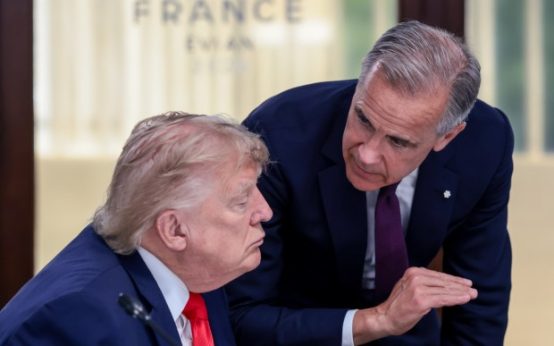 The U.S.-Canada Trade Dispute and Lessons in Coercive Diplomacy
 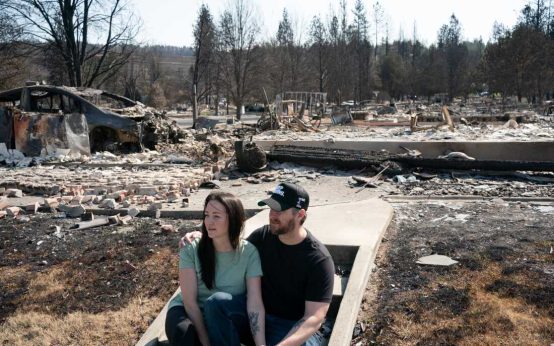 Challenges Faced by Wildfire Survivors in Spokane
 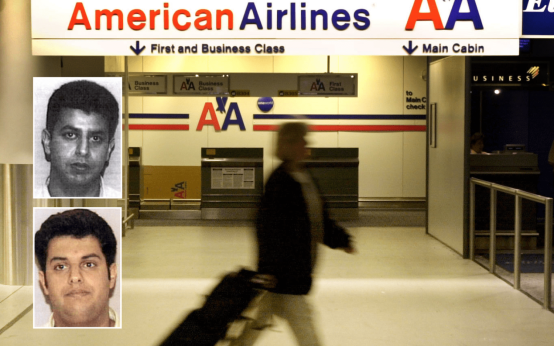 Setting the Stage for 9/11: Key Events from August 25-26, 2001