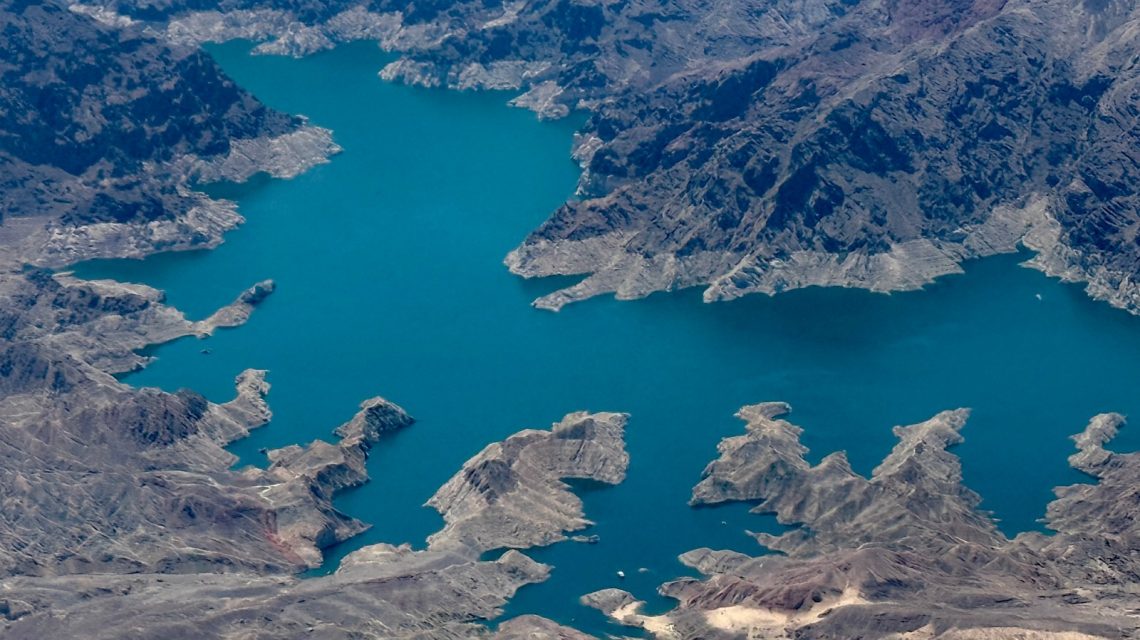
Federal reports reveal accelerating decline in Lake Mead, projecting it will drop to 1,015.77 feet above sea level by July 2027. The U.S. Bureau of Reclamation’s recent 24-month study predicts a sharper fall than last month’s report, which estimated it would be at 1,020.76 feet by July next year.
This projection highlights the ongoing drought affecting the Colorado River network. This network supplies water to about 40 million residents across the Western U.S. and over 5 million acres of agriculture. The drought raises concerns about water supply and electricity in major U.S. reservoirs. A USBR spokesperson noted the critical need for new guidelines and updated procedures.
As of Tuesday, Lake Mead’s capacity was at 29 percent, holding 7,454,257 acre-feet of water. This level is 47 percent of the average for this date, according to USBR data.
What the Projections Indicate
The USBR’s 24-month study provides hydrological details and projected operations for the Colorado River system reservoirs over the next two years. It now predicts Lake Mead could drop further to 1,011.74 feet by the end of May 2028.
The agency notes its studies are projections and may change as conditions evolve. They are based on current hydrology, operations, and forecasts, which can alter the outcomes.
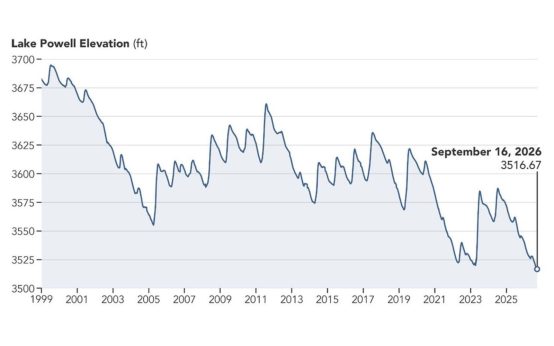
Concerns about power generation are increasing as the Colorado River system’s outlook remains negative. USBR warned on social media that Lake Powell, the second-largest U.S. reservoir, might reach levels that threaten hydropower generation.
“The study continues to rely on operational assumptions using the soon-expiring operating guidelines, and as a result, projects Lake Powell reaching minimum power pool in spring 2027,” the USBR stated. “This outcome does not reflect recent drought response actions. It’s a reminder of the Colorado River’s vulnerability, highlighting the need for updated operational tools.”
Scientists caution about a potential “system crash” due to the mismatch between water supply and demand in the Colorado River system.
Which States Rely on the River?
The river supports Upper Basin states Colorado, New Mexico, Utah, and Wyoming, and Lower Basin states Arizona, California, and Nevada. These states are trying to negotiate new water-sharing agreements as current guidelines expire soon. Yet, they’ve not reached a common agreement.
Earlier satellite images have starkly shown Lake Mead’s water level drop over 25 years. Images reveal a noticeably smaller reservoir in 2024 compared to 1999. This contrast was documented by Landsat 7, a joint effort of the U.S. Geological Survey and NASA.
 Discovery of Tilcayo Tiger Cat, a New Wild Cat Species in Bolivia
 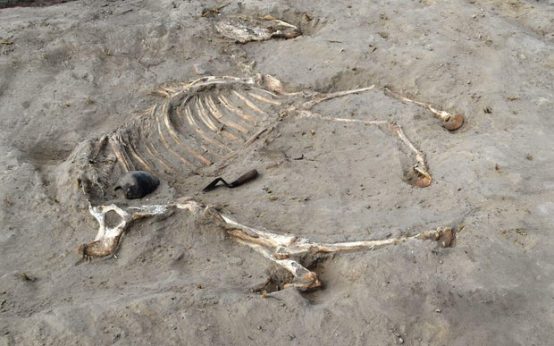 Ancient Egyptian Warhorse Burial Unearthed in Beheira
  Humpback Whale’s Grief Over Stillborn Calf Reveals Emotional Complexity
 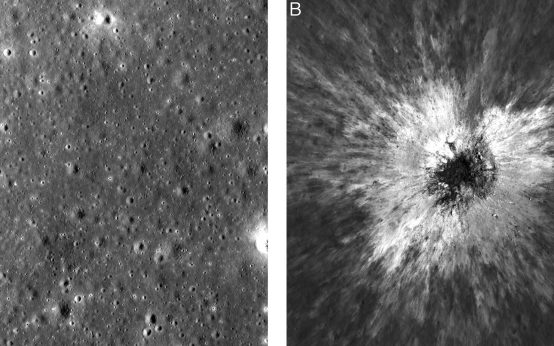 Discovery of Massive Lunar Crater Sheds New Light on Moon’s Surface
  Florida Citrus Growers Use Gene-Editing to Combat Citrus Greening
  Satellite Images Reveal Lake Powell’s Dramatic Decline Over Nine Years