In a significant shake-up, Ukrainian President Volodymyr Zelenskyy dismissed Defense Minister Mykhailo Fedorov, sparking a series of protests across the nation. Fedorov, a popular figure known for his reformist approach, found strong support from Ukrainians eager for change, but public discontent soon targeted the country’s military leadership.
Protesters vocally opposed Commander Oleksandr Syrskyi and demanded Fedorov’s reinstatement, illustrating the internal rift over Ukraine’s military approach. Zelenskyy’s decision marked another instance of public backlash following his earlier effort to limit anti-corruption agency powers in 2025.
To contain the fallout, Zelenskyy replaced Syrskyi with Mykhailo Drapatyi, a battlefield commander acclaimed for his experience during Russia’s initial invasion in 2014. Drapatyi’s appointment signifies a break from Soviet-era military traditions associated with Syrskyi, whom many blame for frustrations within the armed forces post-Russia’s full-scale invasion in 2022.
“He enjoys a high level of trust within the military. I think this appointment could boost what is often called morale, that is, strengthen the fighting spirit,” said Oleksandr Musiienko, a military analyst in Kyiv.
Drapatyi, admired for modern strategies and adaptability, promises to bridge the divide between Fedorov’s tech-driven approach and traditional ground forces. While Drapatyi is low-profile but respected, Fedorov remains a symbol of reform aspirations, his departure further fueling public grievances.
Criticisms of Syrskyi include his association with the 425th Separate Assault Regiment, linked to scandals of abuse and non-combat deaths, prompting increased scrutiny of military command culture.
For some lawmakers, the public protests reaffirm Ukraine’s democratic values and accountability in governance amid martial law. Despite this, others worry about the influence of public sentiment on institutional military decisions.
Tetiana Shevchuk from Ukraine’s Anti-Corruption Action Center noted that protests serve as a mode of expression for Ukrainians in the absence of elections. The frustration levels prompt signs for the government to address systemic issues proactively.
“Frustrations built up to the point where people felt the only way to be heard was to take to the streets. That’s not a healthy precedent, but it should also be a signal to the government to address problems before they reach that stage,” Shevchuk said.
Social media reacted with memes poking fun at Zelenskyy’s choice of a new army chief, underlining the political cost of the controversy. Recent corruption investigations involving Zelenskyy’s associates add pressure to his leadership.
Pushing reforms that prioritize soldier welfare and efficiency, Fedorov’s brief tenure as defense minister saw initiatives like drone acquisition, missile testing successes, and modern contract reforms that resonated with troops.
His potential return and future political career remain central concerns as public support around him grows. The situation illustrates a broader desire for military modernization and effective governance in Ukraine.
 Trump Delivers Warning to Iran, Cuba at UN General Assembly
  Trump Delivers Stern UN Speech on Iran, AI, and Global Security
 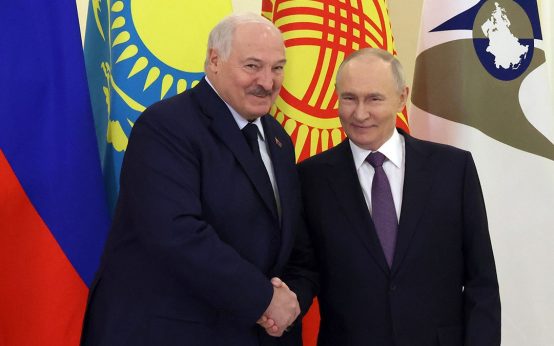 Lukashenko and Putin’s Unique Relationship and Belarus’ Strategic Role
 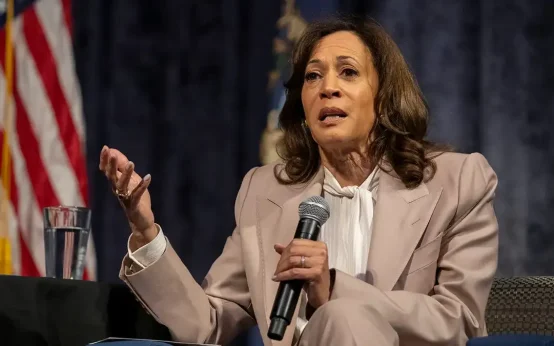 Harris Discusses Potential 2028 Presidential Run
 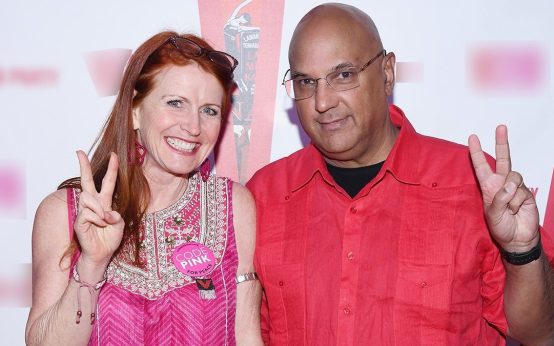 Far-Left Groups Allegedly Organize Protests in Austin
 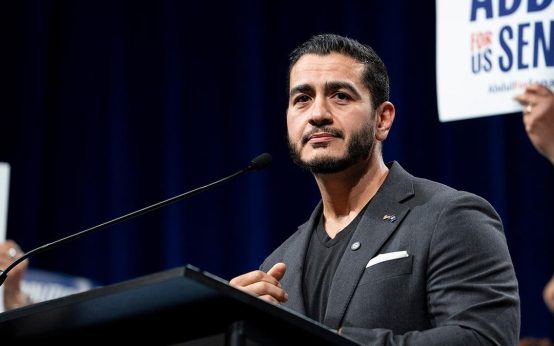 Michigan Senate Nominee Abdul El-Sayed Criticized for Remarks on Reproductive Rights