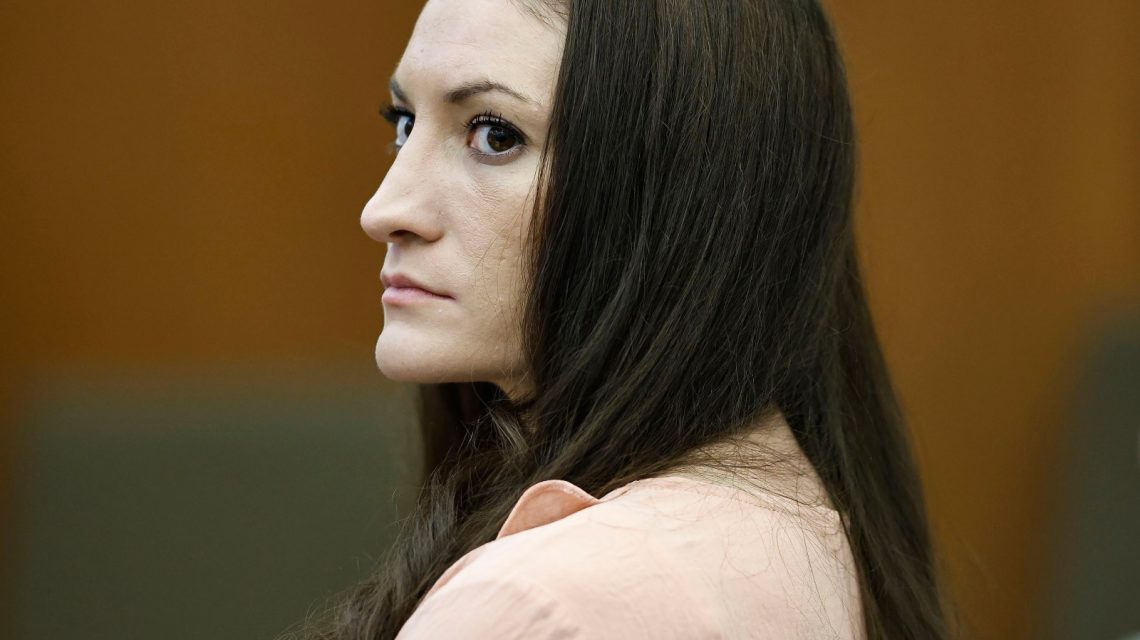
The Lindsay Clancy murder trial is entering its final phase this week. On Tuesday, the prosecution’s last rebuttal witness challenged Clancy’s account of a male voice commanding her to kill her children. Dr. Gregory Saathoff, a forensic psychiatrist, testified about the inconsistencies in Clancy’s description of the voice, calling the account “very unusual.”
This testimony followed a defense request for a mistrial, accusing the prosecution of misconduct. This accusation arose after prosecution psychologist Dr. Kirk Heilbrun referenced Clancy’s Catholic faith and the concept of suicide as a “mortal sin.” Judge William Sullivan rejected the mistrial request and instructed jurors to ignore the religious references.
The trial’s focus is on differing psychiatric explanations for Clancy’s actions on January 24, 2023. The defense acknowledges Clancy’s actions but argues that postpartum mental illness, including psychosis, left her not criminally responsible. While prosecutors agree Clancy was mentally ill, they maintain she understood her actions.
Saathoff’s testimony concludes the evidence phase of the trial, which has lasted about five weeks. Closing arguments are expected Thursday, after which the jury will begin deliberations.
Defense’s Mistrial Motion
The defense called for a mistrial after Dr. Heilbrun’s testimony on Clancy’s Catholic upbringing. Defense attorney Kevin Reddington argued that the religious references could improperly influence the jury’s decision on Clancy’s legal responsibility.
Judge Sullivan denied the mistrial request, instructing jurors to disregard the religious references. Despite the motion’s failure, the trial continued with the prosecution presenting final rebuttal witnesses to counter the defense’s claim of psychosis during the killings.
Prosecution’s Rebuttal
The prosecution’s experts attacked the defense’s explanation of psychosis. Dr. Heilbrun challenged Clancy’s claim of a male voice commanding her to kill by arguing it was more likely an intrusive thought.
Saathoff highlighted discrepancies in Clancy’s accounts regarding the timing and nature of the voice. These inconsistencies undermined the defense’s argument of postpartum psychosis and command hallucinations.
Dr. Avram Mack, another prosecution expert, testified that Clancy suffered from a major depressive episode but retained control over her behavior. He cited evidence of her ordinary interactions on the day of the killings.
Defense’s Psychiatric Testimony
Dr. Phillip Resnick, testifying for the defense, described Clancy as “frankly psychotic” during the killings. He likened her to a puppet under the control of a command hallucination, insisting she believed she was protecting her children.
The defense presented Clancy’s statements, like telling a chaplain she was “so glad my children are safe,” as indicative of a distorted mental state rather than rationalization for her actions.
Trial’s Emotional and Controversial Moments
Emotional moments included Clancy’s breakdown during testimony about her children’s injuries and her husband’s 911 call, which underscored the sequence of events and Clancy’s attempted suicide.
Additionally, the digital activity on Clancy’s devices became critical in the trial. Searches related to mental illness and suicide were interpreted differently by prosecution and defense.
A side controversy involved a Vanity Fair reporter losing trial credentials after perceived inappropriate conduct during court coverage.
Potential Outcomes
If convicted of first-degree murder, Clancy could face life imprisonment without parole. However, if found not guilty by reason of lack of criminal responsibility, she could be committed to a state psychiatric facility. Her future release would be subject to Massachusetts mental-health procedures.
The trial is concluding with the final rebuttal testimonies, followed by closing arguments. Each side will make its final case before the jury begins deliberations on Clancy’s fate.
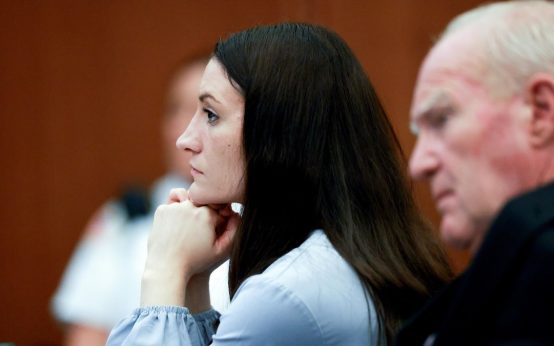 South Carolina Lawmaker Discusses Lindsay Clancy Trial Dynamics
  Multi-Faith Parents Sue Palo Alto School Over Mosque Field Trip
 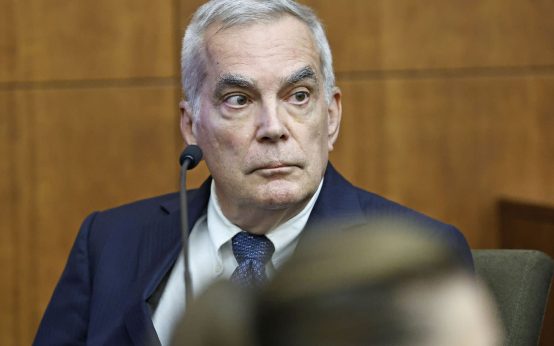 Testimonies Examine Mental State in Clancy Case
 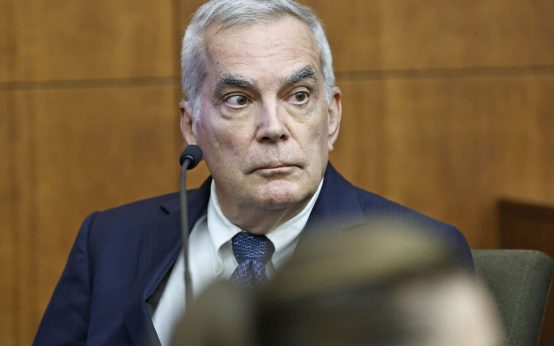 Trial Reveals Key Testimonies and Legal Arguments in Lindsay Clancy Case
  California Man Convicted in Los Angeles Deputy Murder Case
  Federal Surveillance Raises Concerns Over Privacy and Free Speech