
The burning of fossil fuels is raising temperatures worldwide. However, local factors, both on land and at sea, determine which regions warm more quickly.
Recently, morning commuters on London Bridge experienced temperatures reaching 96 degrees Fahrenheit. This marked the hottest recorded June day in the United Kingdom. Such temperatures align with a grim trend as Western Europe faces its second record-shattering heat wave in a month. For the past three decades, Europe has been warming faster than any other continent.
According to Copernicus, the European Union’s climate monitoring service, average temperatures in Europe have climbed by roughly 1 degree Fahrenheit (0.56 degrees Celsius) per decade since the mid-1990s. This rate is more than double the pace of global warming.
Emissions of carbon dioxide and other heat-trapping gases from human activities are increasing the planet’s temperatures long-term. These emissions help hot spells reach greater extremes in both severity and duration.
Local factors are essential in determining how excess heat is distributed globally. They explain why certain areas experience faster rising temperatures than others.
For example, in Europe’s far north, the warmer atmosphere is melting sea ice that once covered large parts of the Arctic. The ocean’s bare, dark surface now absorbs more of the sun’s energy, exacerbating warming around the globe’s top.
Pollution controls also contribute to Europe’s increased heating rate. Reducing industrial emissions has improved air quality but left fewer airborne particles called aerosols. These aerosols previously helped bounce solar radiation back into space, mitigating warming effects.
 Florida Citrus Growers Use Gene-Editing to Combat Citrus Greening
 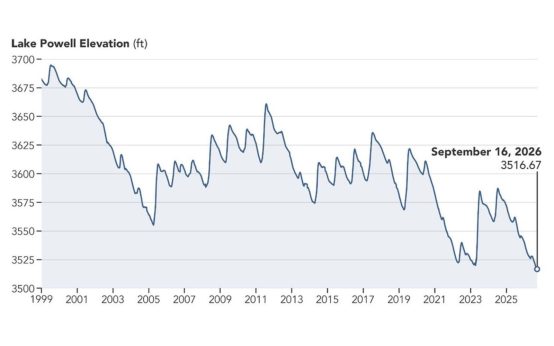 Satellite Images Reveal Lake Powell’s Dramatic Decline Over Nine Years
  Tropical Depression Six Forms in the Atlantic Amid Quiet Hurricane Season
  Fat Bear Week: Celebrating Resilient Giants and Ecosystem Conservation
  Concerns Surface Over SpaceX Facility in Louisiana
 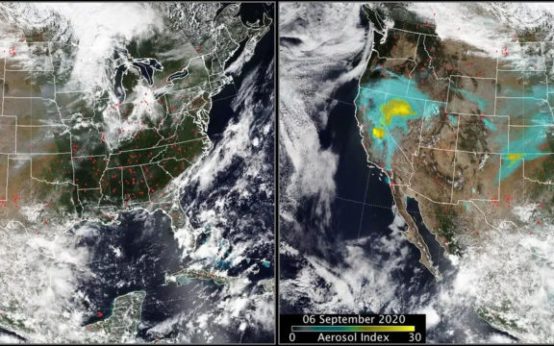 Understanding Pyrocumulonimbus Clouds Through NASA’s INSPYRE Mission