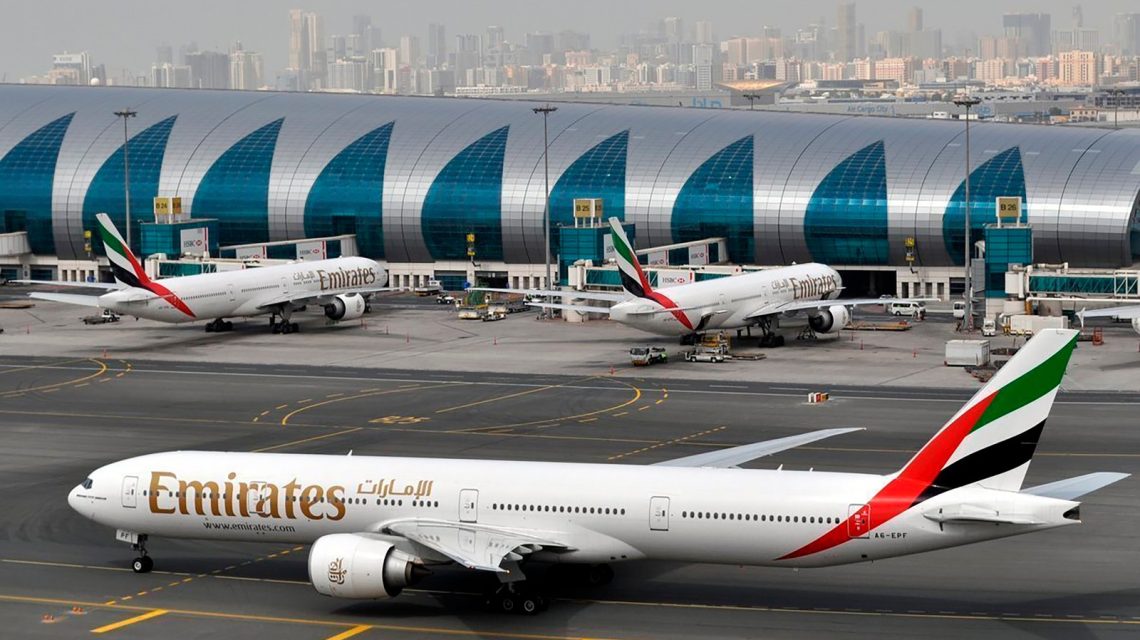
Commercial aviation in the Middle East is gradually resuming operations following months of disruptions due to the Iran war. However, airlines face challenges such as uneven schedules, lingering waivers, and shifting policies. These factors complicate a return to normalcy despite a U.S.-brokered ceasefire agreement signed recently, which has opened up crucial Gulf airspace corridors.
The agreement allows airlines to restart suspended routes through vital global transit paths. The initial shutdown began in late February, leading to significant airspace closures that disrupted connections between Europe, Asia, Africa, and North America. The grounding of thousands of flights led to temporary isolation of major hubs like Dubai and Doha, marking one of the most significant disruptions since the COVID-19 pandemic.
According to data from travel platform Wego, the recovery of airline networks remains inconsistent. While some routes are fully active on certain carriers, others face delays or rebooking restrictions. Reports from aviation outlet Deep Arrival classify the regional network recovery into three distinct tiers:
Mainline Carrier Adjustments
Turkish Airlines: Turkish Airlines has resumed scheduled services to key regional hubs such as Dubai, Damascus, Beirut, and Amman. Plans are underway to increase frequencies to Dubai and restart Abu Dhabi services by early July.
Gulf Carriers: Emirates, Etihad Airways, and Qatar Airways are expanding operations as primary airspace corridors reopen. Their hubs in Dubai, Abu Dhabi, and Doha are largely operational, recovering substantial portions of their pre-conflict networks.
Western & European Carriers: Western carriers are adopting a more cautious approach, with some continuing suspensions or reducing frequencies to avoid certain regional flight paths.
Reasons Behind Flight Cancellations
Flight cancellations stem from the U.S. and Israel targeting military sites in Iran in late February, resulting in the death of Iran’s Supreme Leader Ayatollah Ali Khamenei and other officials. Iran’s response included missile and drone attacks on Israel and Gulf states hosting U.S. forces. This prompted airspace closures across Iran, Iraq, Israel, Kuwait, Bahrain, and parts of Jordan to protect civilian aircraft.
These closures forced airlines to suspend routes, cancel flights, or reroute aircraft over longer paths, increasing costs. Major hubs experienced shutdowns or limited operations, leading airlines to cut numerous flights and issue extensive travel waivers.
Regions with Ongoing Restrictions
Despite overall airspace reopening, some Middle Eastern areas still face flight restrictions or instability:
- Iran: Airspace partially reopened under ceasefire conditions but not normalized. Advisories warn against travel.
- Iraq: Airspace open yet unstable, with short-notice closures possible.
- Jordan: Partial airspace operations involving nightly closures.
- Kuwait: Airport not fully operational, damage persists in key infrastructure. Some terminals remain shut, foreign airline restrictions are in effect.
- Syria: Open airspace in specific areas, limited international routes.
Broader Caution Zones
Though technically open, regions like Iran, Iraq, and Gulf airspace are still flagged by regulators and airlines for risks related to missile, drone, or military threats from the conflict, based on safefly.aero data. Airlines selectively avoid certain flight paths or reduce frequencies even without formal closures.
Mostly Reopened Regions
Several major hubs are operating close to normal:
- United Arab Emirates (Dubai, Abu Dhabi)—fully open.
- Saudi Arabia, Qatar, Bahrain, Oman—largely open, with some operational caveats, per Wego data.
However, schedules in these areas remain fluid and subject to sudden changes.
 U.S. Navy Confirms Increase in Injured Troops from Iran Conflict
  Israeli Ambassador’s Viral Video Reaches Millions in Iran
  Iran’s Influence in Yemen Through the Houthis and its Global Impact
  U.S. Strategic Goals in Question Amid Ongoing Conflict
  The Disappearance of Austin Tice: New Findings and Revelations
  U.S. Strategic Goals in Question Amid Ongoing Conflict