
Despite massive investments in environmental cleanup, lead contamination persists in Omaha, Nebraska. The Flatwater Free Press and ProPublica report that more than half of the tested yards still contain enough lead to elevate children’s blood-lead levels. This problem is prevalent in the city’s urban core, affecting historically Black neighborhoods, Hispanic areas, and affluent white communities. Homes near the former lead smelter and factories show slightly higher contamination levels.
The Environmental Protection Agency (EPA) has led cleanup efforts since the late 1990s under the Superfund program. Omaha’s cleanup standard, set in 2009, is based on health data from 1994. Newer studies suggest even lower lead exposure can be harmful, decreasing IQ in children and increasing heart attack risk in adults. The Centers for Disease Control and Prevention (CDC) has twice reduced the high blood-lead level threshold in the last 15 years.
According to an EPA risk model, to protect most children, soil lead levels should be below 100 parts per million. However, the cleanup requirement in Omaha is for levels over 400 parts per million. Tests show that 208 of 388 homes sampled had more than 100 parts per million of lead. Furthermore, 10% of remediated homes still have levels over the EPA’s current threshold.
Natalie Thorpe, a local resident, faced this issue when her daughter’s blood tests revealed high lead levels. Thorpe’s yard does not qualify for federal cleanup, leaving her concerned for her family’s health.
Thorpe said, “It feels a little bit like being a sitting duck.”
The EPA acknowledges that total lead removal is unrealistic. Representatives emphasize that lead in soil is just one aspect of community protection. The agency collaborates with local health officials to address lead exposure risks, such as through the Omaha Lead Registry and funding local poisoning prevention programs.
Reduction in blood-lead levels in Omaha underlines the impact of these efforts, although children in the area still display elevated levels compared to national averages. Notably, the Trump administration’s guidance increased the soil lead threshold for intervention. This decision was made despite the EPA’s internal discussions about expanding Omaha’s cleanup, which could have affected thousands of properties.
Tom Neltner, of Unleaded Kids, stresses the importance of examining soil for low-level exposures, requiring updated science and advocacy despite political challenges. EPA’s typical process involves preliminary soil testing to identify contamination, prompting further investigation as necessary. In 2024, the Biden administration’s EPA reduced the screening level to 100 parts per million, a level argued to be costlier to achieve. Implementing this standard nationwide could run into billions in costs.
Despite these challenges, some U.S. states and nations maintain stricter limits. Norway and Minnesota have set rigorous standards for lead exposure affecting children. Furthermore, recent investigations reveal other U.S. cities, like New Orleans, grappling with similar challenges.
The EPA’s ongoing investigations in Omaha aim to assess whether to lower the lead threshold for cleanup or extend the site boundaries. Preliminary findings suggest a significant portion of Omaha’s properties might exceed the safe lead concentration. The agency’s final report is expected in 2027.
Residents can manage lead risks in the absence of adequate cleanup. Measures like maintaining ground cover and practicing good hygiene can help, though these are not permanent solutions. Community cooperation is crucial for finding sustainable solutions. As Neltner notes, persistent effort and leadership support at various government levels are vital for protection against lead exposure.
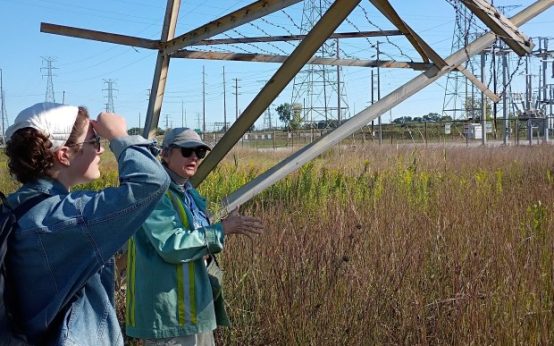 Monarch Butterflies Flourish in Illinois’ Managed Right-of-Ways
 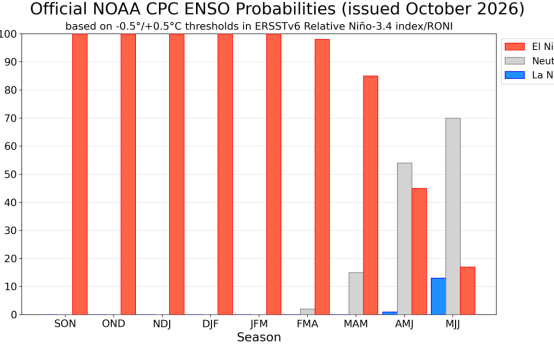 El Niño Strengthens to Historic Levels: What to Expect This Season
  Endangered Species Act and America’s Future Development
 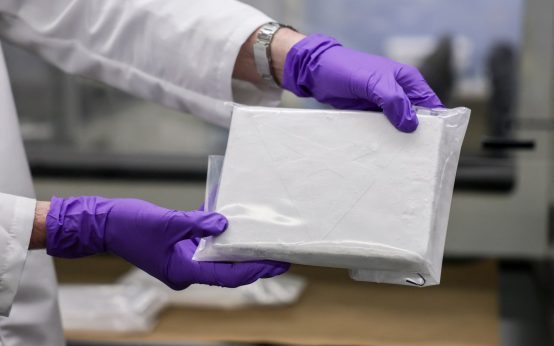 Cychlorphine’s Impact on Opioid Overdoses in Austin and Beyond
  Bokashi Fertilizer Provides Relief for Zambian Farmers Amidst Fertilizer Price Hikes
  Understanding Rising Stroke Rates in Younger Populations