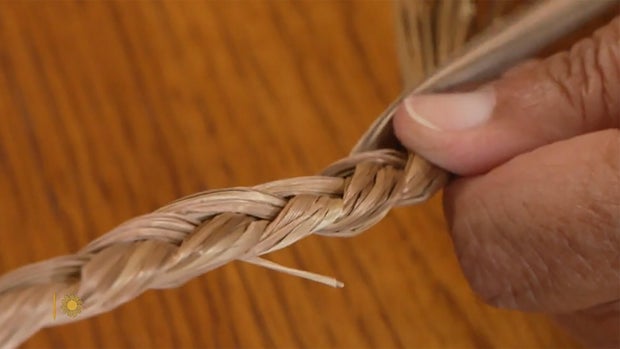
Robin Wall Kimmerer, an esteemed author and member of the Citizen Potawatomi Nation, emphasizes the importance of connecting with nature through her works, particularly in her bestselling book Braiding Sweetgrass: Indigenous Wisdom, Scientific Knowledge and the Teachings of Plants. Published in 2013 by Milkweed Editions, the book gained traction through word of mouth and, by 2020, secured a spot on the New York Times Bestsellers List, surpassing two million copies sold.
Through her writing, Kimmerer seeks to convey the voices of plants and the land. She remarked, “What I have tried to do is give voice to plants, to give voice to the land,” highlighting her dedication to being an advocate for nature.
“We are committed to braiding Mother Earth’s hair,”
she explained, using the metaphor that drew inspiration for her book’s title.
As a mother, grandmother, Ph.D. botanist, and university professor, Kimmerer’s perspective is shaped by her diverse roles and experiences. She resides on her land near Syracuse, New York, where she indulges in studying New England asters and goldenrod. She points out the complementary colors in these plants and relates it to the synergy between Western scientific knowledge and Indigenous teachings.
Kimmerer introduces “Grandmother Maple”, an ancient tree she cherishes on her land. Foreseeing potential climate impacts, she has planted a basswood tree as a future companion, acknowledging that certain species may not endure. Her reference to the trees as personified beings reflects her deep respect for them. “To me, they’re persons,” she states, recognizing them as photosynthetic relatives.
She is actively involved with Native communities, especially engaging children in Michigan by instilling a respect for nature. Her campaign, Plant Baby Plant, aims to inspire people to plant trees, fostering a sense of stewardship and gratitude towards Earth.
Her recent publication, The Serviceberry: Abundance and Reciprocity in the Natural World, explores the meaning of gift economies. Selling over 400,000 copies since late 2024, it challenges conventional economic models, portraying nature’s abundance as gifts rather than resources. She elaborates, “This abundance of berries feels like a pure gift from the land,” and discusses how gratitude and reciprocity multiply the more they’re practiced.
Kimmerer’s views, perceived as radical in Western perspectives, aim to challenge “business-as-usual” practices that exploit Earth without reciprocation. Her philosophy encourages aligning human actions with nature’s inherent systems, promoting a more sustainable way of living.
For further insight, visit robinwallkimmerer.com or explore her books available through prominent retailers like Amazon and Barnes & Noble.
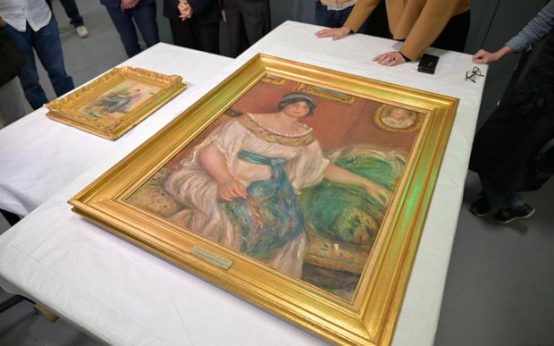 Renoir Paintings Recovered After Theft from French Museum
  Lee Krasner’s Artistry Shines in Major Met Exhibition
  Winter Heating Costs: EIA’s 2026 Forecast
  Tropical Storm Rachel Approaches West Coast with Potential Hazards
  Storm Updates: Isaias and Pacific Developments
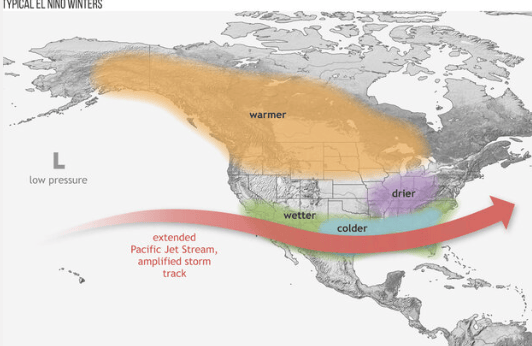
  California’s Coastal Flooding Highlights El Niño Challenges