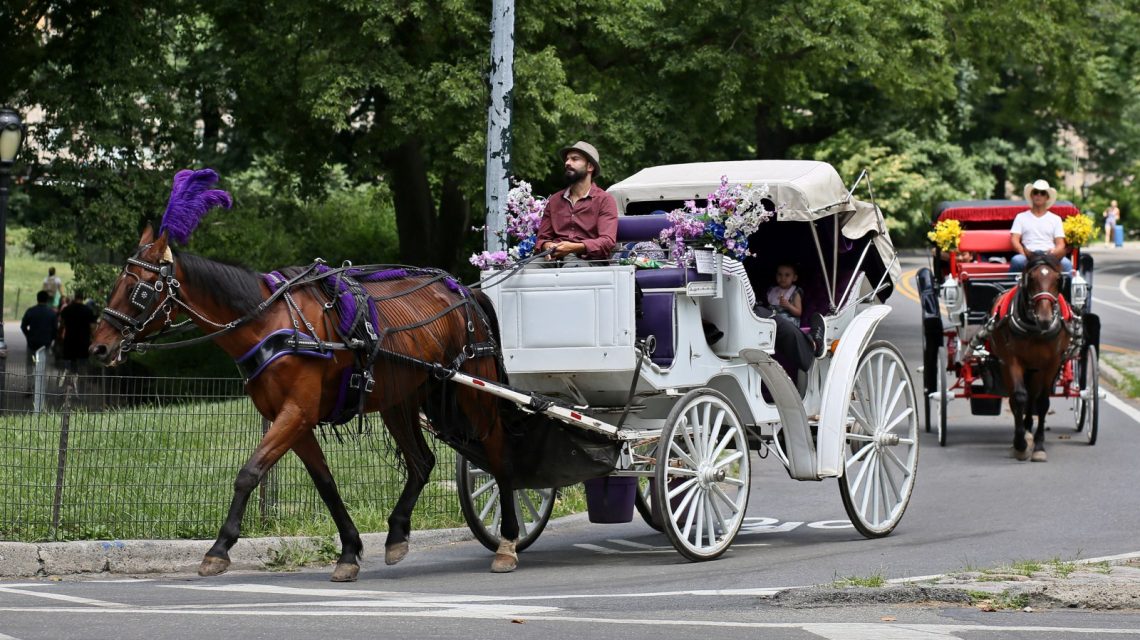
Horse-drawn carriage rides through Central Park have been a staple of New York City since the mid-1800s. However, recent tragedies, including the death of an 18-year-old tourist, have renewed calls to ban this attraction.
Carriage rides in New York City are heavily regulated regarding horse working hours. Yet, supporters of Ryder’s Law argue that regulations are insufficient to ensure safety for horses and people.
What Is Ryder’s Law?
Ryder’s Law is a proposal to phase out New York City’s horse-drawn carriage industry, replacing rides with electric carriages. The measure is named after Ryder, a carriage horse that collapsed in Manhattan in 2022 and later died. His death sparked outrage and calls for a ban on carriage horses.
City lawmakers introduced the measure after Ryder’s death. Initial attempts sought to end the industry and ensure proper retirement for horses. Although supported by animal welfare groups and some officials, it failed to advance in the City Council last year. Former Mayor Eric Adams endorsed the proposal, citing safety concerns for animals, pedestrians, and drivers.
Supporters revived the effort after a horse died and a fatal accident occurred involving Indian tourist Romanch Mahajan. They held a vigil for Mahajan and announced the renaming of Ryder’s Law to Romanch’s Law.
Mayor Zohran Mamdani supports phasing out horse-drawn carriages.
Recent Horse-Drawn Carriage Incidents
On June 9, a 16-year-old horse named Deniz collapsed and died in Central Park. A necropsy indicated death due to ingesting toxic Japanese yew. Disputes arose over protective measures between carriage operators and the Central Park Conservancy.
On June 17, Mahajan, riding in a carriage, faced tragedy when the horse bolted. The driver had stepped away momentarily, leading to a carriage crash. Mahajan suffered a fatal injury, reigniting calls to end horse-drawn rides.
Advocates cite additional incidents of horses bolting into traffic and carriage collisions. The Central Park Conservancy reported several such incidents over the past year:
- May 19, 2026: A horse spooked, causing another carriage to overturn.
- January 8, 2026: A horse ran into traffic, damaging cars.
- September 4, 2025: Tourists jumped from a carriage after a horse bolted.
- May 26, 2025: Horses ran off, injuring drivers.
- May 18, 2025: Carriage collision trapped a driver.
History of Horse-Drawn Carriage Rides
Horse-drawn carriages in NYC date back to the mid-19th century when horses were the main mode of transport. By the 1860s, carriage rides became common in Central Park, evolving into tourist attractions over decades.
Historic photographs show carriage rides through Central Park and Manhattan even before cars dominated streets. Currently, rides are still available near Central Park South, becoming iconic in NYC’s cultural identity, appearing in movies and vintage postcards.
The history fuels contention in debate. Industry supporters argue banning rides would erase heritage, affecting jobs for drivers and horse owners. Critics insist ongoing safety and animal welfare concerns outweigh tradition.
Carriage rides have been suspended while drivers undergo additional training. The driver’s union initiated the suspension, lasting at least until Tuesday.
Current Regulations for Carriage Horses
NYC’s carriage horse industry operates under regulations. Drivers complete a course for horse driver’s licenses, and restrictions are placed on horse work:
- Carriage horses work up to 9 hours in any 24-hour period.
- Riding horses work up to 8 hours in any 24-hour period.
- Carriage horses receive at least 5 weeks’ vacation yearly.
- Licensed rental horses undergo vet exams every 4 to 8 months and at license renewal.
Following Mahajan’s death, officials stressed drivers should not leave horses unattended. Allegations arose about protocol violations in the accident.
Despite extensive regulations, critics argue inherent risks persist with large animals in densely populated areas. Supporters of Ryder’s Law contend ending the industry is the only way to prevent future tragedies.
 Texas Man Charged with Capital Murder in Shooting of 5-Year-Old
  Far-Left Groups Allegedly Organize Protests in Austin
  Austin Police Release Footage of Arrest After ICE-Involved Shooting
  Himalayan Pilgrimage: A Couple’s Narrow Escape and Lingering Questions
  Religious Trends: Decline in Affiliation with LDS Church
  UC Berkeley Student’s Harrowing Encounter Raises Questions About Safety and Legal Protections