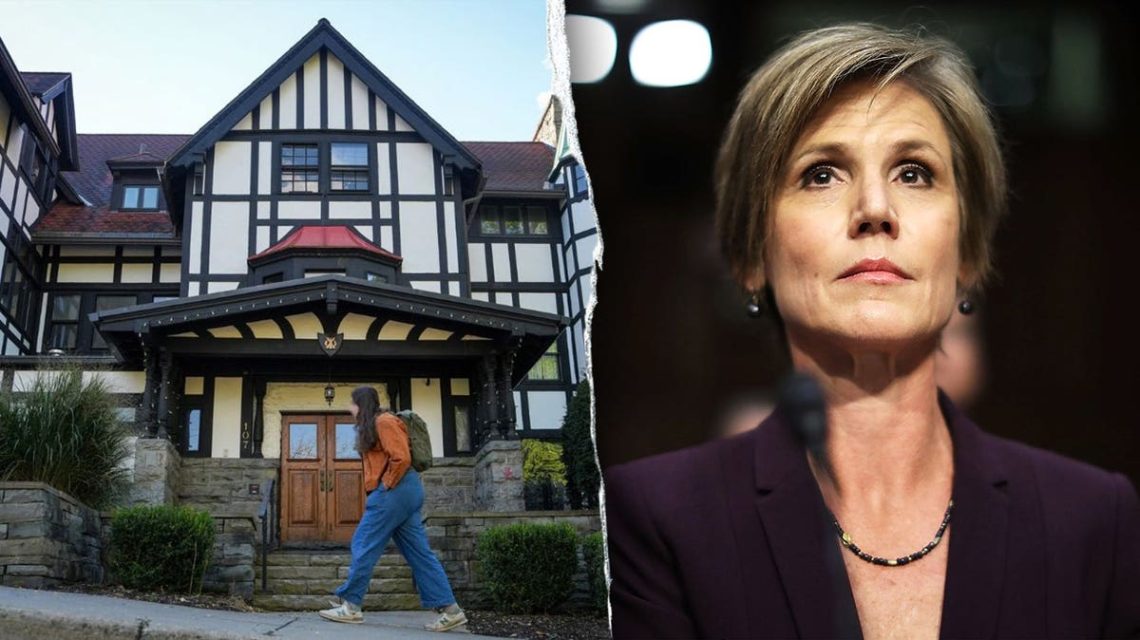
A crucial campus police interview in the Cornell University alleged rape case may come under new scrutiny. Local prosecutors reportedly never received this interview in full before initially deciding not to file charges. Former Deputy Attorney General Sally Yates is conducting an independent review of Cornell’s handling of the allegations. Yates, who served in the Obama administration, was selected by Cornell’s trustees to examine the October 2024 allegations involving Chi Phi fraternity members. The university’s own investigation led to expulsions and suspensions.
The woman, referred to as Jane Doe in court records, asserted during a November 2024 interview with Cornell University Police, “I can say with 100% confidence I was raped,” based on a transcript acquired by CBS News. She characterized later sexual activities as coercive and stated she was “completely and totally incapacitated.” However, Tompkins County District Attorney Matthew Van Houten indicated his office reviewed a six-page sworn statement that described her participation in the sexual activity and drug use as voluntary and consensual. Van Houten noted that his office did not initially receive the full interview, which he told CBS News last week would have “changed the landscape” for him.
“INSIDE EXPLOSIVE CORNELL RAPE ALLEGATIONS: 7 MEN ACCUSED, CONFLICTING ACCOUNTS AND A POLITICAL FIRESTORM”
Scott Iseman, an attorney experienced in representing students accused of campus sexual misconduct, suggested Yates could review Doe’s comprehensive police interview, her sworn statement, subsequent testimony, and other evidence gathered during Cornell’s investigation. “Those full recorded interviews, I can tell you from experience, have a treasure trove of information that are crucial to understanding what happened,” Iseman said. He cautioned that information missing from Doe’s full interview could significantly impact the case’s direction.
Cornell indicated that its police department provided the prosecutors with Doe’s sworn statement and a Snapchat screenshot in 2024, describing their evidence-sharing as standard procedure for a possible crime. Iseman, while acknowledging he had not reviewed the complete interview, mentioned that any omitted information’s relevance remains uncertain. It remains unclear why Van Houten’s office did not initially receive the full interview. Fox News Digital reached out to Cornell University Police and the Tompkins County District Attorney’s Office for further details.
Cornell stated Yates and her team will access related records, case files, university personnel, and leadership as part of the Title IX investigation review to determine whether students violated university policies on sexual misconduct. Besides the police interview, Iseman suggested that Yates could identify unexamined evidence, witnesses, or social media content that the original investigation missed.
Cornell defended its investigation, which included more than 50 interviews and a 12-day disciplinary hearing process. University President Michael Kotlikoff reported that of the seven accused students, two were expelled, two suspended for a minimum of two semesters, one graduated before discipline, and two were found not responsible. Accused students had opportunities to review evidence, testify, and appeal.
Yates’ broader review aims to examine Cornell’s handling of sexual misconduct allegations campus-wide, including fraternity oversight. Her team at King & Spalding will assess Cornell’s practices against federal and state laws, ensuring the university adhered to its procedures in the Chi Phi case. Any new evidence discovered during the review might be shared with New York Attorney General Letitia James’ office, although Yates does not have authority to press charges.
Beyond the legal challenges, the case underscores a broader debate about the protections available to students accused of serious sexual misconduct at universities. John R. Grasso, a criminal defense attorney with experience in campus disciplinary proceedings, highlighted the severe consequences and limited legal protections facing accused students. Accused students often must navigate conflicting urges to remain quiet in light of ongoing criminal investigations while participating in university procedures that could affect outcomes.
Grasso emphasized the broader impact of accusations, including damage to education, reputation, and emotional health even when students are cleared. Iseman also called for an open-minded approach to understanding the accused, underscoring that dramatic allegations do not always equate to reality.
 Headmaster Encourages Students to Speak Up
 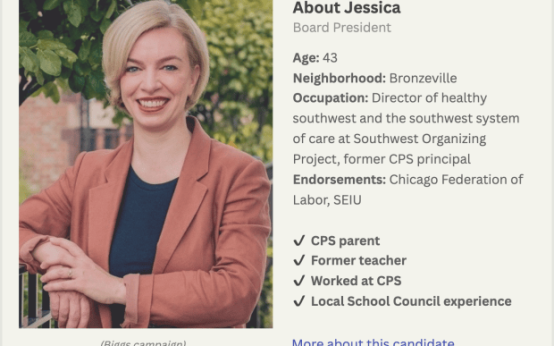 Chicago’s Historic Election for School Board President
 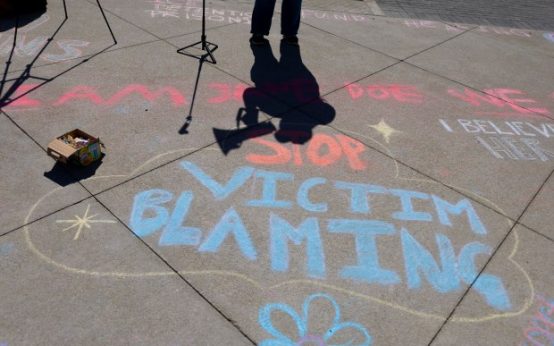 Students Rally Against Sexual Violence
 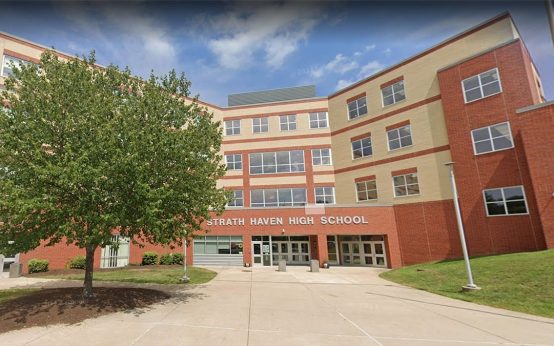 Strath Haven High School Plans Major Renovations with Gender-Neutral Facilities
  Expanding Educational Choice in Florida
  Body-Camera Footage Reveals Details of Virginia School Incident