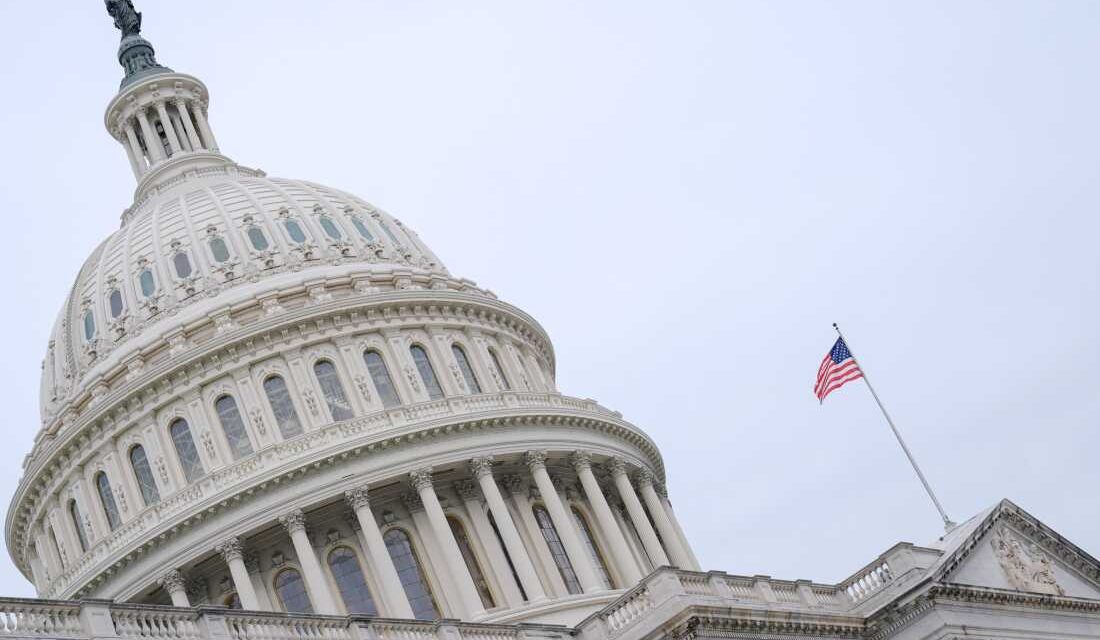
During a Senate subcommittee hearing on Wednesday, lawmakers questioned officials from the sports betting industry. The hearing focused on recent cheating scandals, marketing strategies, and regulatory concerns. Mariam Zuhaib of the Associated Press provided coverage of the event.
U.S. lawmakers challenged representatives of sportsbook and prediction market companies about their aggressive marketing tactics and cheating allegations affecting sports leagues recently. Advocates for stricter regulation highlighted issues associated with legalized gambling.
The Senate Commerce subcommittee, led by chair Ted Cruz (R-Texas), raised two critical questions. How can sports integrity be preserved in the sports betting era? And are prediction markets operating legally or infringing on state sovereignty?
Cruz mentioned instances of alleged game tampering, such as MLB pitchers accused of taking bribes to adjust their throws. He also referred to canceled UFC fights due to match-fixing suspicions. Cruz emphasized the need for sports leagues, casinos, and regulators to collaborate in addressing manipulation.
Other lawmakers scrutinized the advertising methods of platforms like Kalshi and Polymarket. These platforms allow anyone 18 and older to place bets on topics ranging from a celebrity’s remarks to predictions about the assassination of Iran’s Ayatollah Ali Khamenei.
Sen. John Hickenlooper (D-Colo.) expressed concerns about social media ads reaching young people vulnerable to gambling problems. Patrick McHenry, former Republican congressman and senior adviser for the Coalition for Prediction Markets, noted that sites prohibit users under 18, with an average user age of 33. Sportsbooks require bettors to be at least 21.
Online sports betting has grown rapidly since a 2018 Supreme Court ruling allowed states to legalize online sports gambling. Sports betting revenue reached $16.96 billion in 2025, according to the American Gaming Association. Cheating scandals and gambling addiction issues have prompted calls for increased industry oversight.
Harry Levant, director of gambling policy at the Public Health Advocacy Institute, addressed the subcommittee about addiction concerns. “This is a human issue concerning an addiction crisis that requires attention and prevention,” he stated.
Bill Miller, CEO of the American Gaming Association, argued that online gambling is highly regulated and vital to the U.S. economy.
Minnesota recently became the first state to ban prediction markets within its borders, leading to potential legal conflicts with the Trump administration. Over a dozen states have proposed bills to limit these platforms, according to the National Conference of State Legislatures.
Prediction market companies claim they should be regulated federally as a “futures contract,” not gambling services. The Trump administration backed this perspective and took legal action against states attempting to control the industry.
McHenry argued that treating prediction markets like gambling demonstrates a fundamental misunderstanding of the industry. “In a casino or sportsbook, the house sets the odds and profits from customer losses. In prediction market exchanges, participants trade among themselves, and platforms earn transaction fees, creating different incentives,” he explained.
 The Financial and Marketing Challenges in Aspiring to Become a Top Racing Driver
  Michael Jordan’s Iconic Jersey Sets Record Sale
  Zelenskyy Expresses Skepticism Over Russia’s Commitment to Energy Ceasefire Amid Continued Attacks
 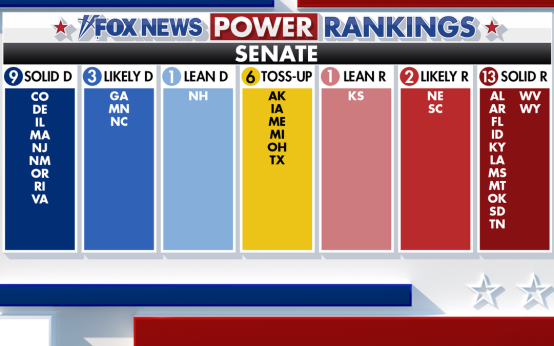 Democrats Face Spending Challenges in Midterm Elections
  Katie Zacharia Takes on Role of White House Press Secretary
  Emerging Stars and Shifts in Professional Golf