Republicans on Capitol Hill are expressing the need for more details regarding the agreement between the United States and Iran, which President Donald Trump announced. This plan, set to be officially signed in Geneva, focuses on reopening the Strait of Hormuz and lifting the U.S. naval blockade, along with offering financial incentives to Iran upon meeting specific benchmarks.
Senators returned to Washington with many questions about the deal. Senate Majority Leader John Thune, from South Dakota, stated the necessity for more information before its finalization. Thune insisted he hadn’t received a briefing yet and highlighted concerns about the deal’s enforcement and compliance.
Senator Thom Tillis from North Carolina questioned the credibility of the agreement if details remain undisclosed. Vice President JD Vance assured the public that the deal’s text would be released soon, clarifying that financial incentives for Iran depend on its compliance.
Critical parts of the memorandum include possibly releasing Iran’s frozen assets, sanction relief, and a substantial fund for reconstruction if Iran meets certain conditions. Key issues remain unanswered, particularly concerning the oversight of Iran’s nuclear program and the removal of enriched uranium targeted by U.S. strikes.
Skepticism persists among several senators, including John Kennedy from Louisiana, who emphasized the importance of thorough inspections and safeguards in any agreement with Iran. The deal requires meticulous evaluation and independent verification.
“I go into it very skeptical of the government of Iran.”
The Iran nuclear agreement review act from the Obama presidency dictates that any nuclear deal must be submitted for Congressional review. Lindsey Graham from South Carolina supports a thorough examination and possible vote on the deal. Graham advocates for full disclosure to understand the agreement from both perspectives.
Graham called for JD Vance, dubbed as the deal’s architect, to present the memorandum to Congress, warning against Iranian propaganda. Vance assured that high-level communications between the U.S. and Iran have transformed the relationship, despite Iran’s leadership consistency.
Senator Eric Schmitt urged against a compulsory vote on the agreement. On the contrary, Ted Cruz praised Trump’s decisive military actions against Iran, claiming it enhanced national security. Conversely, Democrats show skepticism, questioning the deal’s differentiation from the Obama-era JCPOA and its impact on U.S. interests.
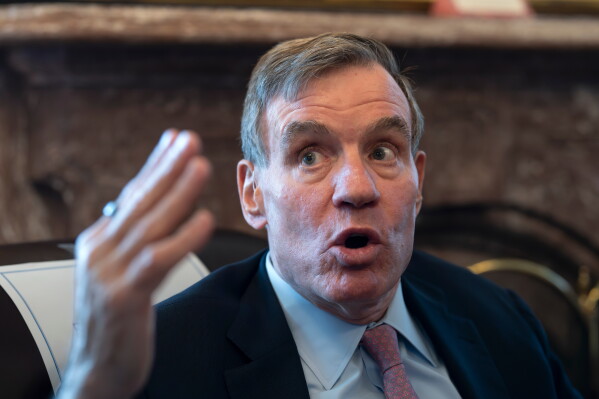
Mark Warner and Elizabeth Warren voiced concerns about the deal’s implications on the Iranian nuclear program and oil sanctions. Tim Kaine highlighted the importance of ending the conflict while seeking clearer details.
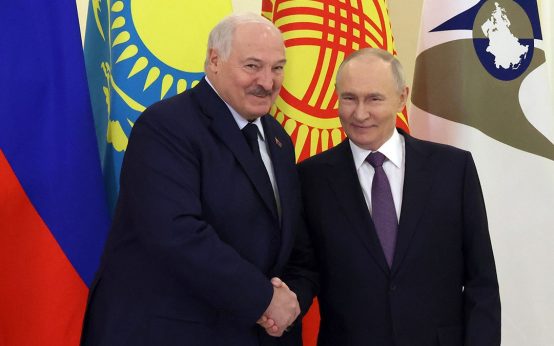 Lukashenko and Putin’s Unique Relationship and Belarus’ Strategic Role
 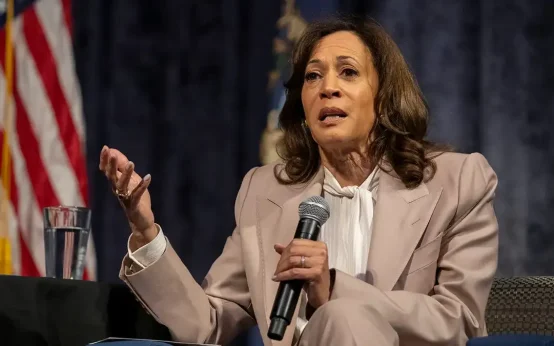 Harris Discusses Potential 2028 Presidential Run
  Far-Left Groups Allegedly Organize Protests in Austin
 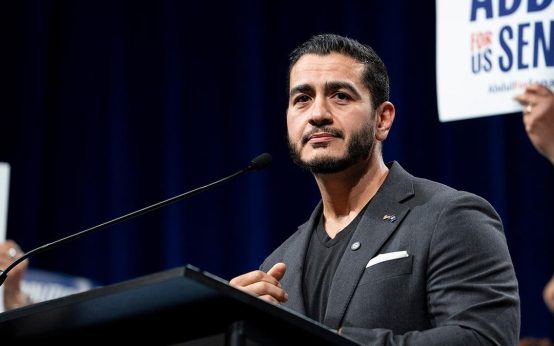 Michigan Senate Nominee Abdul El-Sayed Criticized for Remarks on Reproductive Rights
  Alan Ritchson Faces Backlash Over Political Remarks
 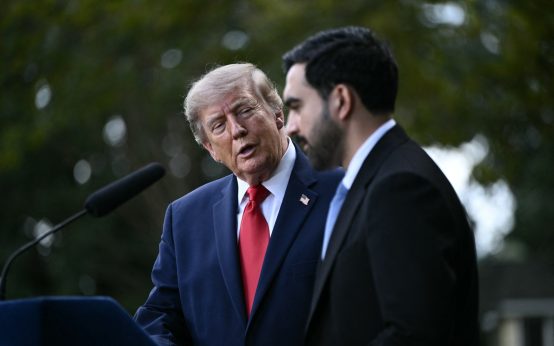 Poll Reveals Voter Preferences Between Socialist Democrats and MAGA Republicans