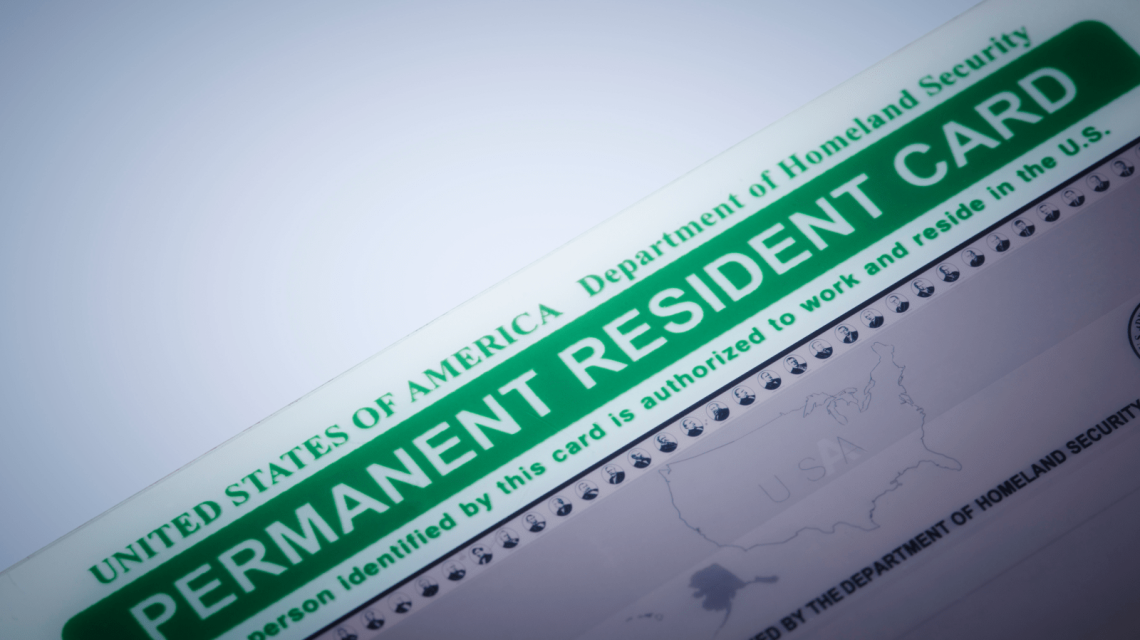
The criteria for obtaining a green card are undergoing extensive examination as the Trump administration seeks to limit access to legal immigration. In fiscal year 2025, 350,120 individuals received U.S. green cards. This figure includes 190,350 people adjusting their status within the U.S. and 159,770 arriving from abroad, based on recent Department of Homeland Security (DHS) data.
The statistics, compiled in the first quarter of fiscal year 2025 (October 1 to December 31, 2024), originate from the Office of Homeland Security Statistics’ quarterly report. These numbers, recorded during the Biden administration, detail recipients’ nationalities and the type of admission, providing a glimpse of the system before significant policy changes affecting green card pathways.
Why Green Card Policy Changes Matter
The Trump administration’s focus on limiting legal immigration brings green card rules into the limelight. As of May, U.S. Citizenship and Immigration Services (USCIS) announced that “adjustment of status” would be considered an “extraordinary” relief rather than a standard path to permanent residency.
This policy expects most temporary visa holders in the U.S. to exit the country and apply from overseas. Domestic approvals would occur only in rare situations. This shift could substantially affect thousands of immigrants previously able to stay in the U.S. while awaiting application outcomes.
Nationalities Receiving Green Cards
According to the data, Mexican nationals received the most green cards in fiscal 2025, with 40,790 approvals. Next were individuals from Cuba with 30,050, Afghanistan with 18,330, China with 17,150, and India with 15,460. Other notable countries included the Dominican Republic (14,500), the Philippines (10,250), El Salvador (10,050), Vietnam (9,170), and Pakistan (8,160).
Primary Pathways to Green Cards
Family-based immigration remained the leading path to permanent residency. The category of immediate relatives of U.S. citizens accounted for 139,560 approvals, covering spouses, parents, and children. Other significant pathways included family-sponsored preferences (65,490 approvals), refugees (43,540), employment-based immigrants (41,940), and asylees (27,930).
Family system subcategories contributed notably to admissions, with U.S. citizen spouses (73,330) and parents (48,750) receiving substantial approvals.
Potential Changes in Green Card Issuance
Adjustment of status, which benefited 190,350 applicants in fiscal 2025, traditionally allowed immigrants within the U.S. to obtain green cards without leaving. The new USCIS policy now frames this route as limited and discretionary. It emphasizes pursuing consular processing abroad unless applicants meet strict approval criteria. This could alter future green card distribution by decreasing domestic approvals and increasing reliance on overseas processes.
Broader Immigration Policy Actions
The Trump administration has also broadened travel and visa restrictions affecting numerous countries, paused or delayed some asylum and immigration benefit applications, and reduced refugee admissions while intensifying vetting processes. Enhanced background checks and discretionary reviews on green card applications further tighten scrutiny under the current administration.
 Far-Left Groups Allegedly Organize Protests in Austin
  Austin Police Release Footage of Arrest After ICE-Involved Shooting
  Himalayan Pilgrimage: A Couple’s Narrow Escape and Lingering Questions
  Religious Trends: Decline in Affiliation with LDS Church
  UC Berkeley Student’s Harrowing Encounter Raises Questions About Safety and Legal Protections
  Tinley Park Updates Downtown Parking Rules Amid Increased Congestion