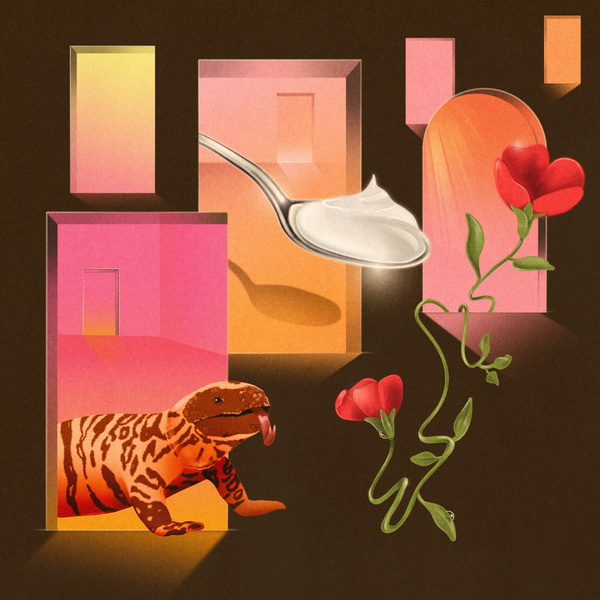
In the early 1990s, a Gila monster, a species of lizard, sparked scientific interest due to its ability to maintain stable blood sugar levels during prolonged periods without food. This led physician-scientist John Eng to study its venom. He discovered a molecule resembling a human gut hormone that endured for hours, rather than minutes.
This discovery ultimately led to the creation of a synthetic version, resulting in the GLP-1 class of drugs. Known today through medications like Ozempic and Wegovy, these drugs are revolutionizing the treatment of diabetes, obesity, and possibly heart disease. They have the potential to save countless lives.
Dr. Eng’s breakthrough required minimal funding. However, the research system that facilitated such discoveries is now under threat. In 2025, the Trump administration froze or canceled billions in research grants. Though courts have ordered the release of some funds and Congress has rejected proposed cuts, the process of funding remains hindered. Agencies are approving fewer grants monthly compared to previous years.
As Congress discusses the upcoming budget, further cuts are proposed. A recent rule suggests federal grants must align with the president’s policy goals, potentially slowing grant distribution.
This funding challenge affects academia. Last year, major universities reduced graduate admissions, impacting the next generation of researchers. A cancer researcher, Rachael Sirianni, highlighted the near impossibility of obtaining funding for her promising work on pediatric brain tumor treatments.
The loss of funding means many research questions will go unanswered. This is detrimental to medical progress. For instance, soil from Easter Island led to the discovery of rapamycin, a drug critical for organ transplants. Bacteria in yogurt guided the development of CRISPR, a gene-editing tool now used to correct genetic diseases like sickle cell anemia. In 2025, CRISPR technology even corrected a genetic mutation in a newborn.
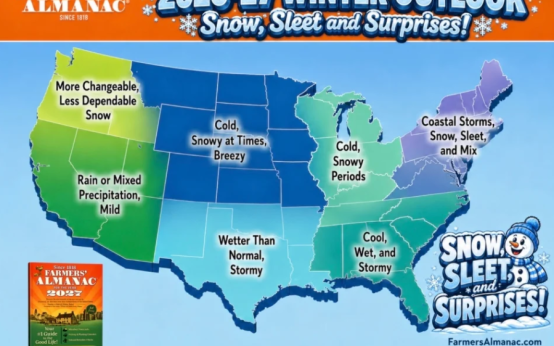 Winter Weather Forecasts for 2026-2027
  Underwater Discoveries: Exploring the Lost Town of Shipden
  Virginia Tech Researchers Investigate Black Bear Hibernation
 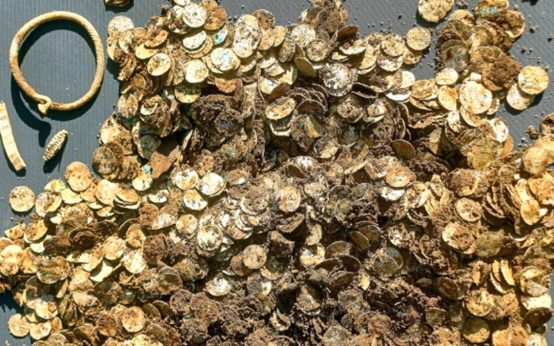 Significant Viking Age Silver Hoard Discovered in Finland
  Dogs Use Similar Language Recognition Techniques as Human Infants
 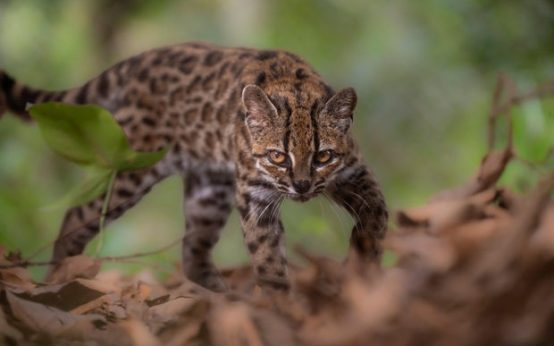 Discovery of Tilcayo Tiger Cat, a New Wild Cat Species in Bolivia