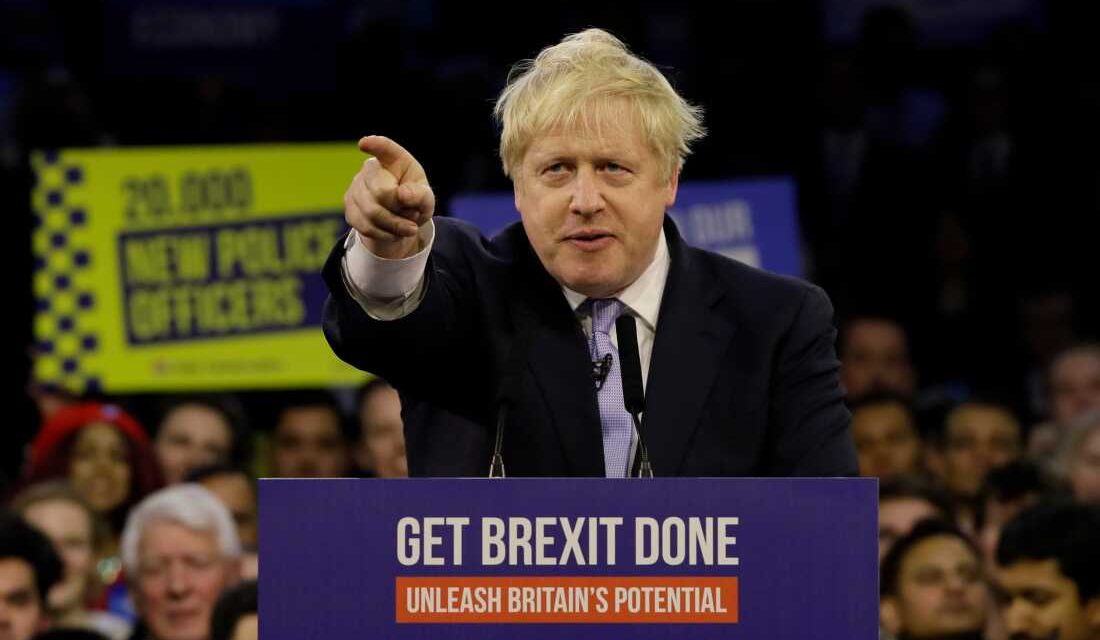
The Brexit vote in 2016 created significant upheaval in both the European Union and British politics. The United Kingdom now approaches its seventh prime minister since the June 23, 2016, referendum in which the country opted to leave the EU by 52% to 48%. This decision ended over four decades of EU membership.
Conservative Prime Minister David Cameron, who held the referendum while advocating for remaining in the EU, resigned the following day. Subsequent leaders have struggled with the consequences of the Brexit decision. Labour Prime Minister Keir Starmer recently announced his resignation after two years marred by a sluggish economy and government dysfunction, partly attributed to Brexit.
The Persistent Influence of Brexit
Despite fading from the headlines, Brexit’s influence remains deeply embedded in British politics. Chris Grey, an academic focused on the Brexit aftermath, describes the continued impact as a “subterranean trace.” The “leave” campaign was emotional, promising control over laws, economy, and borders, while the “remain” campaign emphasized economic risks.
Boris Johnson, a prominent Brexit advocate and former prime minister, urged the public to embrace the potential of a Brexit future. Yet the complexities of executing Brexit left politicians and citizens disillusioned.
Challenges in Brexit Implementation
The reality diverged from campaign promises about immigration policy, trade deals, and public service funding, revealing difficulties in the Brexit process. Disputes dragged on, culminating in the UK’s formal departure on January 31, 2020, and an 11-month transition.
Prime Minister Theresa May, who followed Cameron, resigned after unsuccessfully negotiating exit terms. Her successor, Boris Johnson, secured a minimal trade agreement but faced scandal-linked removal. Liz Truss then served a brief 49-day term before Rishi Sunak took over, slightly improving EU relations.
Starmer aimed for a “reset” but dismissed rejoining the EU market in favor of maintaining Brexit gains.
Political Party Division
The Brexit referendum, intended by Cameron to resolve Conservative Party disputes over EU relations, instead deepened existing rifts, explained historian Anthony Seldon. Conservatives pushing for closer EU ties were marginalized, creating internal divisions.
The Labour Party faces similar challenges, balancing pro-EU factions with leadership cautious about reigniting past conflicts. This division has encouraged voters to explore alternative parties such as the Green Party and Nigel Farage’s Reform UK.
Public Sentiment and Economic Impact
The economy has experienced struggles, with new trade barriers affecting businesses, although Brexit is not the sole factor. COVID-19, geopolitical conflicts, and other issues have also played roles.
Trust in politicians is waning, exacerbated by a lack of transparency about fiscal policies and public service realities. Despite expectations, Brexit did not ease immigration debates, and rhetoric has intensified.
Cynicism has fueled rising street violence linked to immigration issues, eroding the traditional separation between political discourse and public unrest, according to Grey.
Reflecting on Brexit Decisions
A decade later, a portion of the U.K. public expresses regret over the Brexit outcome, with polls indicating a desire to rejoin the EU. A recent Ipsos survey revealed 52% of U.K. citizens favor rejoining, while 33% oppose it.
Although the “rejoin” movement organized smaller-scale protests, many simply wish to move forward. Nevertheless, Brexit remains a sensitive topic, deterring political engagement. Rejoining the EU would require extensive negotiation with a cautious EU.
Grey suggests that until political leaders confront Brexit’s legacy, Britain will continue to experience ongoing challenges, akin to a lingering illness that saps national energy.
 Trump Delivers Warning to Iran, Cuba at UN General Assembly
  Trump Delivers Stern UN Speech on Iran, AI, and Global Security
 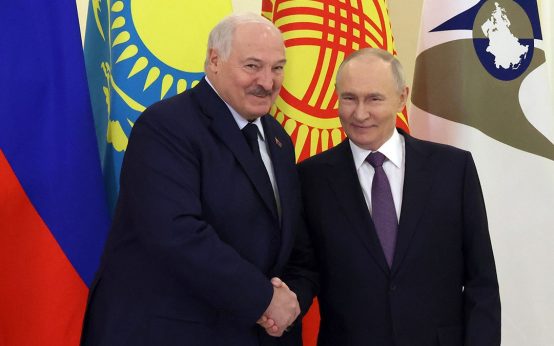 Lukashenko and Putin’s Unique Relationship and Belarus’ Strategic Role
 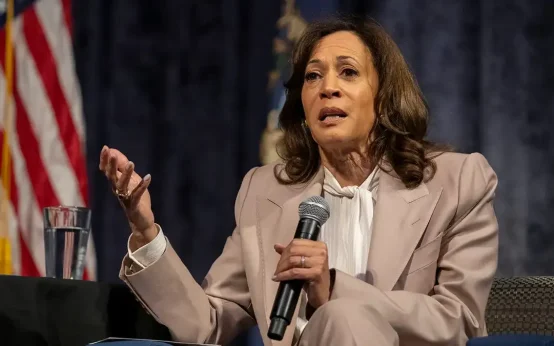 Harris Discusses Potential 2028 Presidential Run
  Far-Left Groups Allegedly Organize Protests in Austin
  Michigan Senate Nominee Abdul El-Sayed Criticized for Remarks on Reproductive Rights