Many Americans feel the healthcare system is broken. Rising premiums and deductibles are common issues. Medical bills often come with unexplained charges. This frustration stems from a system filled with secrecy.
On May 18, President Donald Trump expanded TrumpRX, a platform aiming to reduce drug costs. This service works similarly to Airbnb or Priceline.com. It’s time hospitals and insurance companies were addressed next.
Healthcare is one of the most costly and least transparent sectors in the U.S. Hidden costs, unclear billing, and middlemen lead to wasted taxpayer funds. The Trump administration has the power to provide relief, but enforcement is needed.
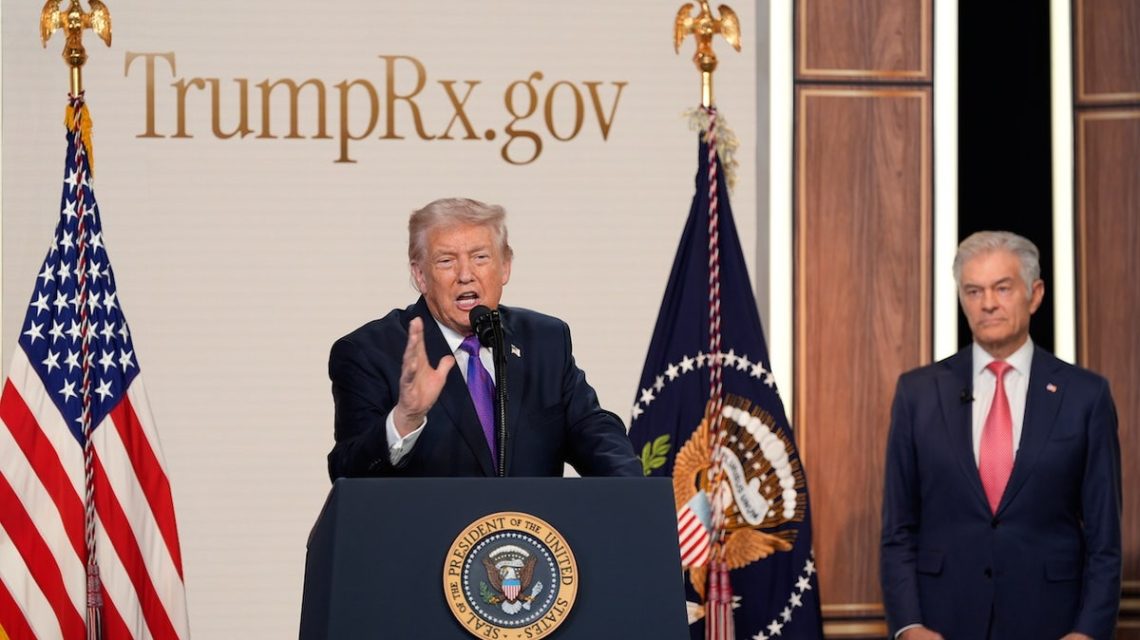
“President Donald Trump speaks about TrumpRx on the White House campus on Feb. 5, 2026. CMS Administrator Dr. Mehmet Oz listens.” (AP Images)
Three practical steps can lower costs, expose fraud, and build public trust. First, patients need prices upfront to join in fighting fraud. Often, patients see real costs only after receiving care, which makes cost comparison and dispute difficult.
Congress and Trump tackled this with the No Surprises Act, introducing the Advanced Explanation of Benefits. Before care, patients should get itemized charges, expected services, prices, and costs. This hasn’t been fully implemented under President Joe Biden.
Immediate implementation offers accountability. Patients can compare costs, spot inflated charges, and document issues for insurers or providers. Healthcare should offer upfront prices like other purchases.
Second, the federal employee health program needs cleaning. The Federal Employees Health Benefits Program is a major purchaser of healthcare. Yet, visibility into spending is lacking.
The Office of Personnel Management can demand standardized data, conduct audits, and verify eligibility. These controls uncover issues like duplicate billing and improper payments. They eliminate fraud and outdated enrollments draining taxpayer money.
Stronger oversight can save billions without reducing benefits or needing new laws. Third, transparency in employer health plans is crucial.
Many Americans are covered through employer or union plans. Employers often lack data to identify fraud and manage costs. This must change.
“House Minority Leader Hakeem Jeffries addresses reporters outside the U.S. Capitol on Sept. 30, 2025, in Washington, DC.”
The Department of Labor is moving toward disclosure requirements for Pharmacy Benefit Managers under ERISA. They should extend this to third-party administrators, insurers, and other entities receiving plan asset compensation.
Employers need access to claims data, payment records, and fee structures. Transparency lets employers negotiate better value for workers.
These tools exist, but enforcement is needed. Transparency rules mean nothing without enforcement. Federal rules are in place, yet many organizations fail to file complete or usable pricing data, facing little consequences.
Americans are fed up with hidden prices and surprise bills. They want accountability. This isn’t an ideological debate; it’s about patients, employers, and taxpayers knowing money destinations.
The authority exists, and laws are made. Enforcement is needed to ensure transparency, empowering Americans and making healthcare affordable. The Trump administration can make this happen.
Amb. Andrew Bremberg previously served as assistant to the president and the director of the Domestic Policy Council for President Donald Trump.
 New Insights into Suicide Prevention Strategies
  Senator Bernie Moreno Urges DOJ to Address Drug Policy Enabling Forced Abortions
  Karoline Leavitt Offers Insights on Trump’s Calls With Putin and Xi
  Curtis Pushes for Investigation into Trump Jr. and Biden
  Israeli Prime Minister’s Visit to the U.N. Amid Controversy
  Reader Perspectives on Social Security Reform and Competency-Based Degree Programs