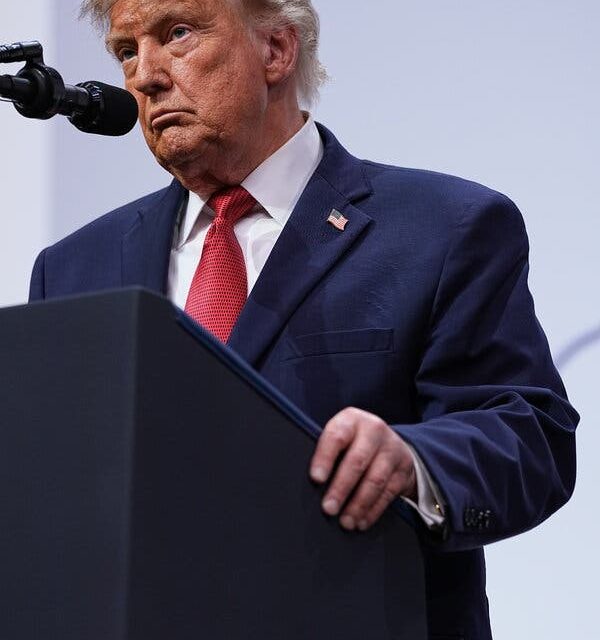
President Trump once demanded Iran’s ‘unconditional surrender’ in their conflict. His approach faced a surprising turn in the negotiations.
While Iran suffered significant losses, it managed to emerge from the confrontation against the world’s most powerful military in a strong position. They have shown their capability to use economic instability as a strategic tool.
The agreement, released recently, shows no signs of the surrender Trump initially called for. Instead, Iran secured significant gains. These included resuming oil sales worth billions, easing economic pressure on Tehran.
Nuclear negotiations remain pending. President Trump expects discussions to secure Iran’s nuclear program for 15 to 20 years.
The ‘Memorandum of Understanding’ hints at possible Iranian sovereignty over the Strait of Hormuz. This contradicts Secretary of State Marco Rubio’s recent declarations about free passage being mandatory.
The memorandum, signed by Iran’s president and Trump, outlines a process where Iran could access billions in frozen assets. Trump insists on conditional release tied to ‘good behavior,’ a similar deal to one under President Obama.
The U.S. had several battlefield successes, degrading Iran’s naval and aerospace capacities. But Trump’s broader goals, like dismantling nuclear and missile initiatives, remained unmet.
Initially, Trump sought to obliterate Iran’s defense capabilities, instigate regime change, and gain control of its oil industry. These ambitions highlight the complexities involved in the diplomatic landscape.
 Federal Appeals Court Decision Against Trump’s ‘Third-Country’ Deportation Policy
  President Trump’s Controversial Ban on Media Outlets Sparks Press Freedom Concerns
  Ed Sheeran’s Philadelphia Concert Amid Controversy
 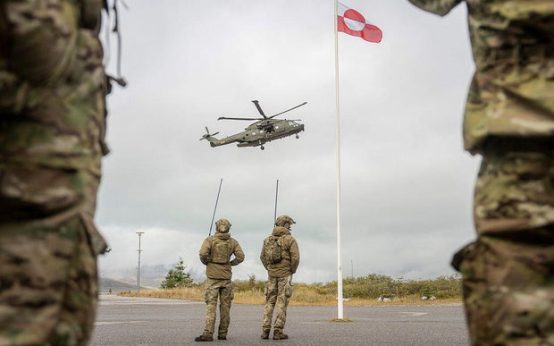 U.S. Secures Strategic Control Over Greenland
  U.S. Security Agreement in Greenland Sparks Optimism and Concerns
  Cook County’s Property Tax Bridge Loans