
Trump’s Nomination Announcement
During an interview on The New York Post’s ‘Pod Force One’ podcast, President Trump revealed his intentions to nominate Todd Blanche as the full-time attorney general. Trump expressed his support for Blanche, stating, ‘I think he will be, yeah.’ He highlighted Blanche’s performance as the acting attorney general. Trump also mentioned knowing Blanche for a considerable time.
When asked about Ron DeSantis, Florida’s governor, as a contender, Trump clarified that DeSantis had not discussed the position and Blanche was the only candidate under consideration.
Trump Administration’s Challenge on Slavery Memorial
Mattathias Schwartz reported from Philadelphia on a legal confrontation involving the Trump administration’s influence over a slavery memorial. The controversy arose nearly one month before America’s 250th birthday. The memorial resides at the site of George Washington’s former residence in Philadelphia.
The conflict emerged when the administration removed placards and video displays detailing the enslavement history in response to an executive order. Trump described the actions as rectifying a ‘distorted narrative’ and removing ‘national shame.’ Philadelphia initiated legal action, resulting in a court order to restore the site.
The administration appealed the decision. During the appeal proceedings, a Justice Department attorney defended the administration’s authority to make modifications, even suggesting potential removal of names of enslaved individuals etched into a monument. The attorney asserted that these actions were ‘curatorial,’ not dictated by the city, given a 2006 agreement transferring control to the federal government.
Judicial Skepticism and Legal Implications
Judges exhibited skepticism about the administration’s claim over the memorial’s scope. Judge L. Felipe Restrepo, appointed by President Obama, questioned whether the government sought ‘unfettered discretion.’ Attorney Gregory in den Berken reassured the panel, referencing plans for maintaining acknowledgments of slavery’s role at the site.
The case was initially heard by Judge Cynthia M. Rufe of the Federal District Court for the Eastern District of Pennsylvania. In February, she criticized the administration’s actions by quoting George Orwell’s ‘1984’ regarding the dismantling of historical truths.
Tuesday’s discussions revolved around legal interpretations of agreements between Philadelphia and the federal government. Over a hundred spectators watched as the arguments unfolded concerning Philadelphia’s ‘residual’ rights and the contractual nature of the lawsuit.
Cara McClellan, representing Philadelphia-aligned groups, emphasized the symbolic implications of the government’s actions. She likened it to removing the Lincoln Memorial before its bicentennial. Meanwhile, Judge Peter J. Phipps showed some empathy towards the government’s stance, asserting that slavery history could remain visible despite partial restoration.
Judge Thomas M. Hardiman acknowledged the appropriateness of slavery mentions at the site. He evaluated the city’s legal basis for disputing the alterations and the administration’s assurance of future restraint.
Den Berken contended that the administration’s approach was not akin to rewriting history. He argued that excluding specific details did not equal denying their existence.
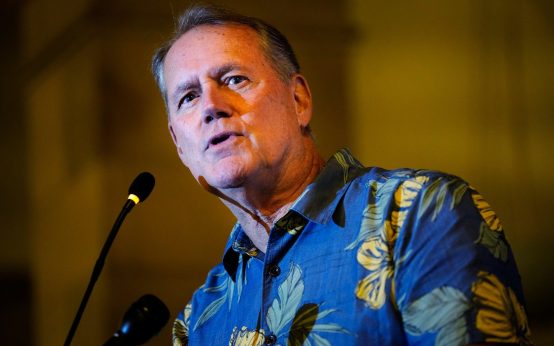 Hawaii’s Democratic Primary Highlights Party Divisions
 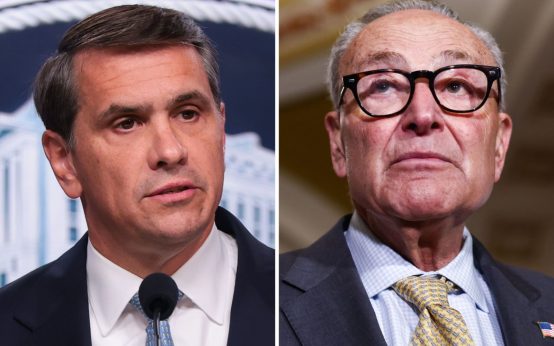 Todd Blanche’s Confirmation as Attorney General Sparks Debate
 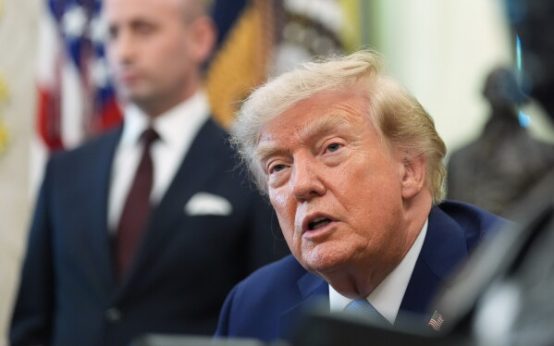 Trump’s Renewed Efforts to Limit Birthright Citizenship Face Legal Hurdles
 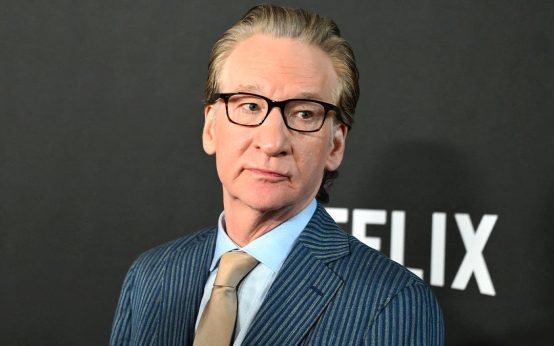 Bill Maher Criticizes Sen. Rand Paul Over Fauci’s Diary Release
 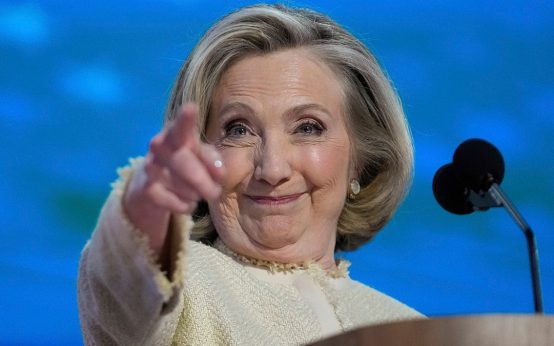 Clinton Urges Unity Amid Democratic Party Tensions
 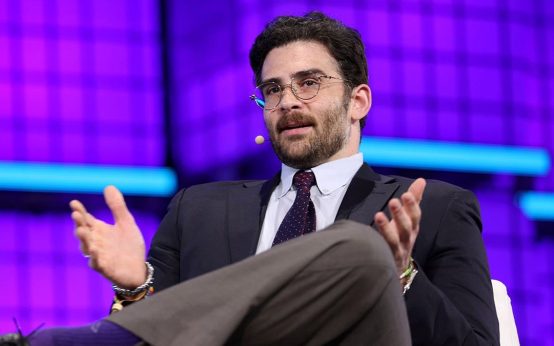 University of Washington Cancels Hasan Piker Lecture Due to Planning Flaws