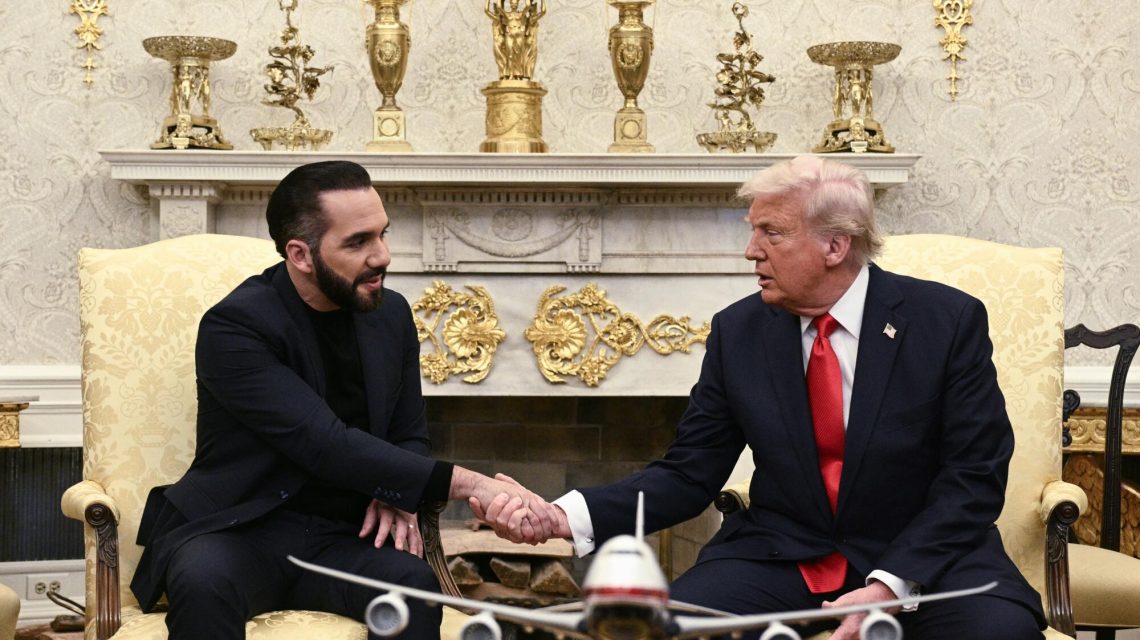
Colombian presidential candidate Abelardo de la Espriella plans to target criminal organizations and reduce government programs. If elected, he intends to bomb ‘narco-terrorist’ camps and build large prisons. President Trump supports De la Espriella, breaking White House tradition by influencing foreign elections, especially in Latin America.
After Trump’s endorsement of De la Espriella, the candidate shared an AI-generated image of a bald eagle and a tiger, symbolizing American and Colombian unity. De la Espriella expressed gratitude to Trump for helping challenge long-held powers in Colombia.
De la Espriella, new to politics, has built his campaign around gym videos and a promise to dismantle leftist influence. He aligns with the MAGA movement and promotes government reduction, stricter immigration, and increased militarization. This approach is gaining traction in a region still dealing with crime and inequality after the ‘Pink Tide’ period of leftist governance.
According to Latinobarómetro, the right is gaining popularity in Latin America. Several conservative leaders have been elected recently. Trump’s influence is notable, with leaders like Argentina’s Javier Milei and El Salvador’s Nayib Bukele adopting similar tactics.
In Peru, Keiko Fujimori is close to victory, aligning with Trump’s ideals. Meanwhile, conservative power limits leftist influence to three key countries: Mexico, Colombia, and Brazil. Some face significant challenges, as Brazil prepares for a presidential election between leftist Luiz Inácio Lula da Silva and Flávio Bolsonaro, a Trump ally.
De la Espriella is competing against Senator Iván Cepeda, allied with leftist President Gustavo Petro. Petro criticized Trump’s support for De la Espriella and urged Colombians to vote without external influence. Mexico’s President Claudia Sheinbaum accused Trump of election interference after the US pursued drug trafficking charges against her party members.
Trump has warned Mexico about military operations to suppress drug cartels. He has supported leaders like Honduras’s Nasry Asfura and Argentina’s political party ahead of elections. Guillaume Long, an analyst, criticized Trump’s intervention in Latin American politics, noting increased polarization in the region.
Much of Trump’s activity, including efforts to remove Nicolás Maduro from power in Venezuela, is framed as a crackdown on drug cartels. Long views this as a way to expand US influence. Latin American leaders, some influenced by Trump, have adopted tough crime policies. This alignment is partly driven by the shared security concerns between the US and the region.
Mexican journalist Alex González Ormerod sees mutual influence between Trump and Latin American leaders like Nayib Bukele. Analysts caution that political dynamics in Latin America frequently oscillate between the right and left, driven by voter dissatisfaction. This trend is known as ‘voto castigo’ or the ‘punishment vote’ where voters often oust incumbents in frustration.
 Trump Team Challenges U.S. Military Structure
  British Police Arrest Dual Citizen Over Suspected Terrorist Plot
  Efforts to End Child Marriage Gain Ground Globally and in the U.S.
  Oregon School District Sued Over Denied Curriculum Reimbursement
  Democrats Anticipate Senate Gains Amid Poll Cautions
  Republicans Face Reelection Challenges Amidst Rising Living Costs