
The United States and Iran are engaged in discussions to halt their ongoing conflict. President Trump employs a familiar strategy for resolving Middle Eastern crises: agreeing to a ceasefire while postponing more difficult issues.
Analysts observe that this approach has yielded varied outcomes in the Gaza Strip. Last year, Trump arranged a ceasefire between Israel and Hamas, a group with Iranian backing. However, plans for a ‘Phase 2’ agreement faltered. This phase aimed for Hamas to disarm and for Israel to permit Gaza’s reconstruction after extensive warfare. Applying a similar strategy to the U.S. talks with Iran might encounter similar challenges.
The Trump administration’s recent proposal concentrates on lifting Iran’s blockade of the Strait of Hormuz. This waterway in the Persian Gulf plays a crucial role in the transportation of oil and gas. Iran nearly blocked the strait after the U.S. and Israel launched attacks in late February. This blockage led to spikes in energy prices, placing domestic pressure on Trump as consumers faced higher costs.
Negotiations will defer addressing several complex issues such as Iran’s nuclear ambitions, its missile arsenal, and support for Middle Eastern militia groups. These were among the reasons cited for commencing the conflict.
Michael Koplow, chief policy officer at the Israel Policy Forum, notes that phased negotiations can be beneficial. Yet, in Trump’s scenario, they might allow him to declare success without resolving core problems.
Further complicating matters, analysts say that Iran’s leadership feels reinforced by the conflict. This has made them less inclined to make concessions in forthcoming discussions.
 House Republicans Release Transcripts in Jack Smith Investigation
 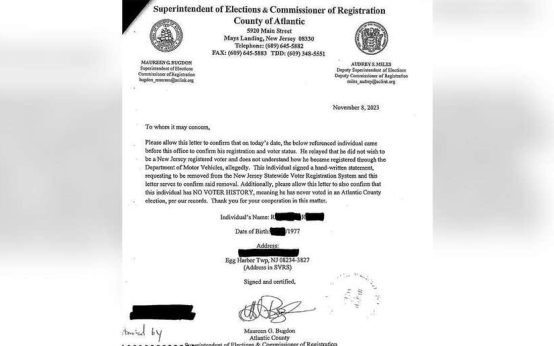 RNC Files Lawsuit for Transparency in New Jersey’s Voter Roll Maintenance
 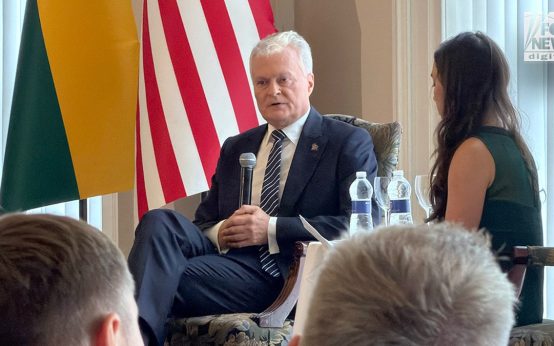 Lithuanian Leader Seeks U.S. Military Commitment Amid Rising Russian Threats
 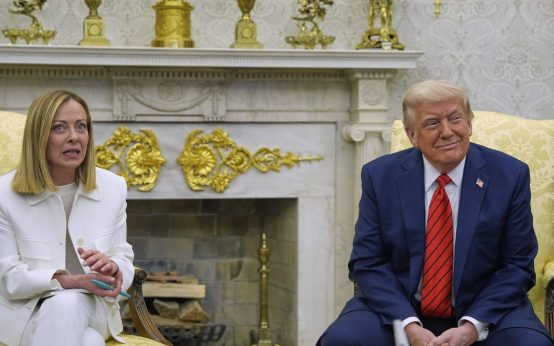 Italian PM Giorgia Meloni Skips UN General Assembly Amid Growing Tensions
  Calls Grow for Ireland’s Soccer Team to Boycott Matches Against Israel
  Congressman Randy Fine’s Bold Political Stance and Views on AI Regulation