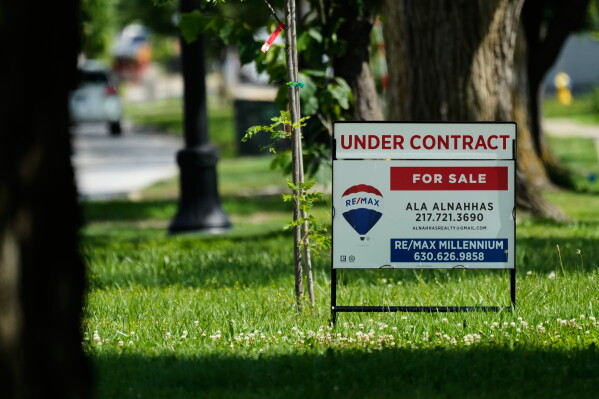
This week, the average long-term U.S. mortgage rate climbed to its highest level in nearly a year, increasing borrowing costs for potential homebuyers. Freddie Mac reported on Thursday that the benchmark 30-year fixed mortgage rate rose to 6.55%, up from 6.49% the previous week. One year ago, the rate was 6.75%.
The increase in mortgage rates can result in additional monthly expenses for borrowers, reducing their purchasing power as affordability concerns continue to challenge many aspiring homeowners.
Several factors influence mortgage rates, including the Federal Reserve’s interest rate policies and bond market investors’ economic and inflation expectations. Mortgage rates generally mirror the trajectory of the 10-year Treasury yield, which lenders use to price home loans.
This year, mortgage rates have mostly risen as the conflict with Iran has sharply driven up crude oil prices, fueling expectations of increased inflation. This has caused long-term bond yields to rise compared to pre-conflict levels in late February, leading to higher mortgage rates.
The 10-year Treasury yield rose to 4.57% midday Thursday, up from 4.54% the previous week. Before the conflict began in February, it was 3.97%. The 30-year mortgage rate is now at its highest since August 28, when it was 6.56%. Notably, it briefly dipped below 6% in late February for the first time since late 2022.
Borrowing costs on 15-year fixed-rate mortgages, often chosen by those refinancing, also increased. This week’s average rate rose to 5.93%, up from 5.82% last week, with a previous year’s rate of 5.92%, according to Freddie Mac.
A recent report indicated that prices paid for gas, clothing, and other goods cooled last month. This could ease pressure on the Federal Reserve, which is deliberating on raising interest rates. Though the central bank doesn’t directly set mortgage rates, its short-term rate adjustments are closely monitored by bond investors and can affect the 10-year Treasury yield.
“That cooler inflation reading is a step in the right direction, but until mortgage rates actually follow suit, buyers will keep feeling the pinch of stubbornly high borrowing costs even as other conditions improve,” said Hannah Jones, senior economist at Realtor.com.
Despite the year-on-year lower rates, their upward trajectory has impacted home sales. The latest monthly data on U.S. home purchase transactions pending finalization indicates potential weakness in home sales this summer.
Pending home sales in the U.S. fell 5.4% in June compared to the previous months and were down 0.3% from June last year, according to the National Association of Realtors. There’s typically a one to two-month lag between contract signing and finalized sales, making pending home sales a short-term indicator for the housing market.
Additionally, data on mortgage applications suggests that rising mortgage rates have deterred some potential buyers. Mortgage applications, which include loans to purchase or refinance, dropped 2.7% last week from the previous week, as reported by the Mortgage Bankers Association. The decline was primarily due to a 7% decrease in applications for home purchases.
 Former Federal Prosecutor Sells Lincoln Park Mansion
  Former Chicago Bulls Guard Jevon Carter Sells West Town Home
  Understanding Real Estate Fees
  Homeowners’ Guide to Home Equity Loans: Costs and Considerations
 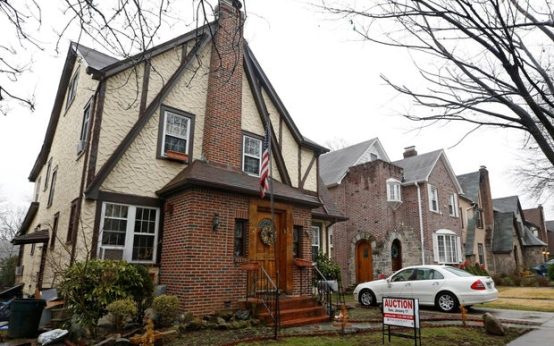 Trump’s Childhood Home Renovated and Sold for Nearly $2 Million
 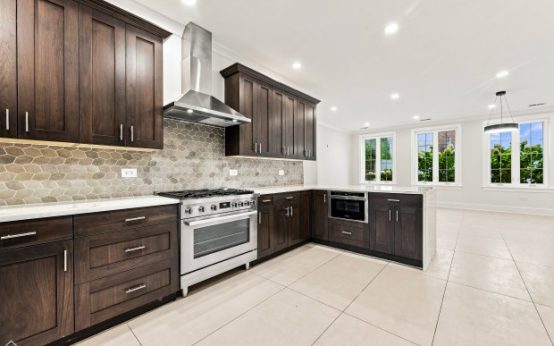 Luxury Five-Bedroom Home for Sale in Edgewater, Chicago