
Climate opinions often transcend simple political labels. Many assume that party affiliation dictates one’s stance on climate policies, but this is not always the case. For instance, take a young Republican who supports solar power but opposes a carbon tax. This scenario challenges the conventional belief that Republicans universally reject renewable energy initiatives.
Similarly, consider two Democrats who both acknowledge the reality of climate change. Despite their agreement on the issue, they may disagree on specific policies. One might favor a policy that imposes higher charges on households exceeding a monthly energy limit, while the other opposes it.
This complexity in climate opinions suggests that individual beliefs and values influence people’s views on environmental policies. It highlights that assumptions based on party lines can be misleading. Understanding these nuances requires looking beyond political labels and considering personal perspectives and motivations.
Recognizing these differences is essential for crafting climate policies that gain broader support. Policymakers need to engage with individuals across the political spectrum, acknowledging their distinct viewpoints. Only through such inclusive dialogue can effective and widely accepted climate actions emerge.
 Cold Weather Alerts and El Niño Influence
  Turning Home Food Waste into Compost: A Guide
  Chicagohenge: When Sunlight Aligns with City Streets
  Fat Bear Week 2026: A Look at the Contest and Its Competitors
  California Governor Declares Statewide Emergency Ahead of El Niño Storms
 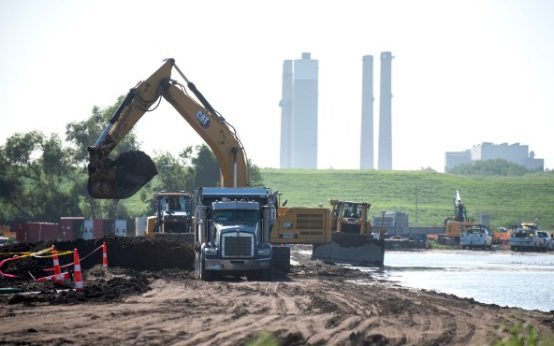 EPA Rollbacks and the Impact on Indiana Communities