Researchers have identified that significant episodes, such as those caused by El Niño, have historically shaped human events. El Niño, characterized by substantial shifts in Pacific Ocean winds and water temperatures, can significantly alter global weather patterns. These natural phenomena have historically triggered severe droughts, heatwaves, and even intensified epidemics.
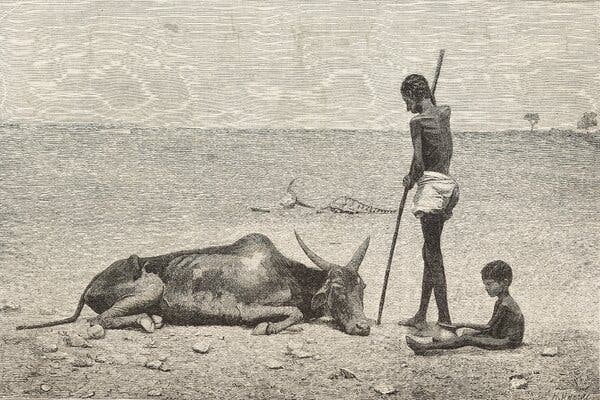
Throughout history, El Niño has been suggested to influence major political and economic shifts. Some academics point to its role in the challenges faced by ancient Egypt and the collapse of the Moche civilization in Peru over a thousand years ago. The catastrophic famine of 1877 and 1878, which coincided with an El Niño event, led to the deaths of millions in the tropics and reinforced global inequities, dividing the world into what is now known as the ‘first world’ and ‘third world.’
Currently, the world is entering another El Niño phase. Experts warn that this could be one of the most intense on record. They highlight past events to emphasize the potential for natural forces to create significant instability and hardship when they reach extreme levels.
Despite its early stages, the current El Niño’s full impact remains uncertain. If predictions hold, it could lead to widespread effects across a more resilient yet newly vulnerable modern world. Unlike the past, countries now track El Niño with sophisticated oceanic gauges and early warning systems. Agricultural advancements and strategic grain reserves offer some protection against food shortages. No one anticipates large-scale famine at present.
Yet, experts caution that an El Niño could exacerbate existing global system pressures. Fertilizer shortages due to the closure of the Strait of Hormuz are already challenging farmers. Rising energy prices linked to conflicts in Ukraine and Iran strain national budgets. Additionally, cuts in foreign aid from nations like the United States have weakened a critical safety net for poorer countries.
 Cold Weather Alerts and El Niño Influence
 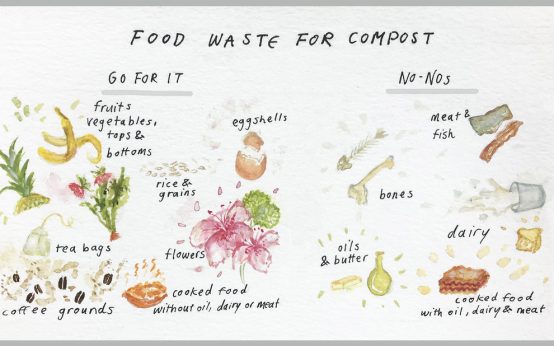 Turning Home Food Waste into Compost: A Guide
  Chicagohenge: When Sunlight Aligns with City Streets
 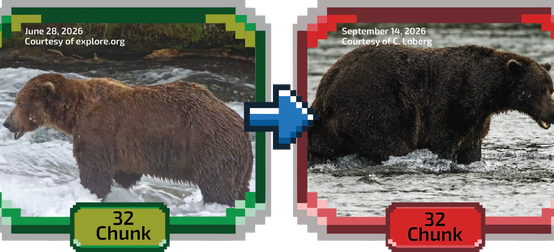 Fat Bear Week 2026: A Look at the Contest and Its Competitors
  California Governor Declares Statewide Emergency Ahead of El Niño Storms
  EPA Rollbacks and the Impact on Indiana Communities