
Significant changes can occur over a span of six years when voters reassess their city’s needs. In 2020, San Francisco residents decisively approved an “overpaid CEO tax” with a 30-point margin. This initiative aimed to tax companies if their highest-paid executive earned over 100 times more than their median worker.
Recently, there was a push to expand this tax further through a ballot initiative. However, the proposal, backed by unions, did not succeed, losing by six points. This shift in voter sentiment highlights changing economic priorities and perceptions within the city.
San Francisco’s use of the CEO tax was part of a broader effort to address income inequality. By penalizing excessive executive pay, the city sought to encourage fairer wage distribution. The outcome of the recent vote suggests that residents are reconsidering the balance between business competitiveness and income equity.
Observers noted that economic contexts, business climate, and public opinions on income disparity might have influenced the voters’ decision. The rejection indicates a potential pivot in the city’s approach to economic issues and wealth distribution.
 Lukashenko and Putin’s Unique Relationship and Belarus’ Strategic Role
  Harris Discusses Potential 2028 Presidential Run
  Far-Left Groups Allegedly Organize Protests in Austin
 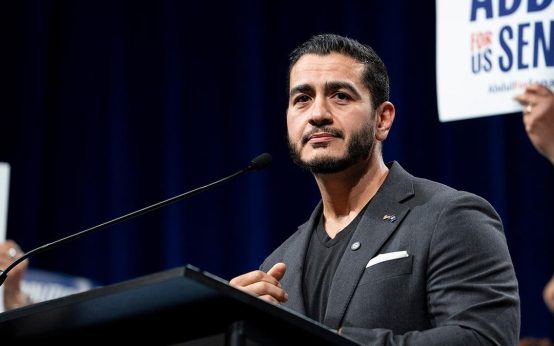 Michigan Senate Nominee Abdul El-Sayed Criticized for Remarks on Reproductive Rights
  Poll Reveals Voter Preferences Between Socialist Democrats and MAGA Republicans
  Challenges of Electing a Female President: Insights from ‘The View’