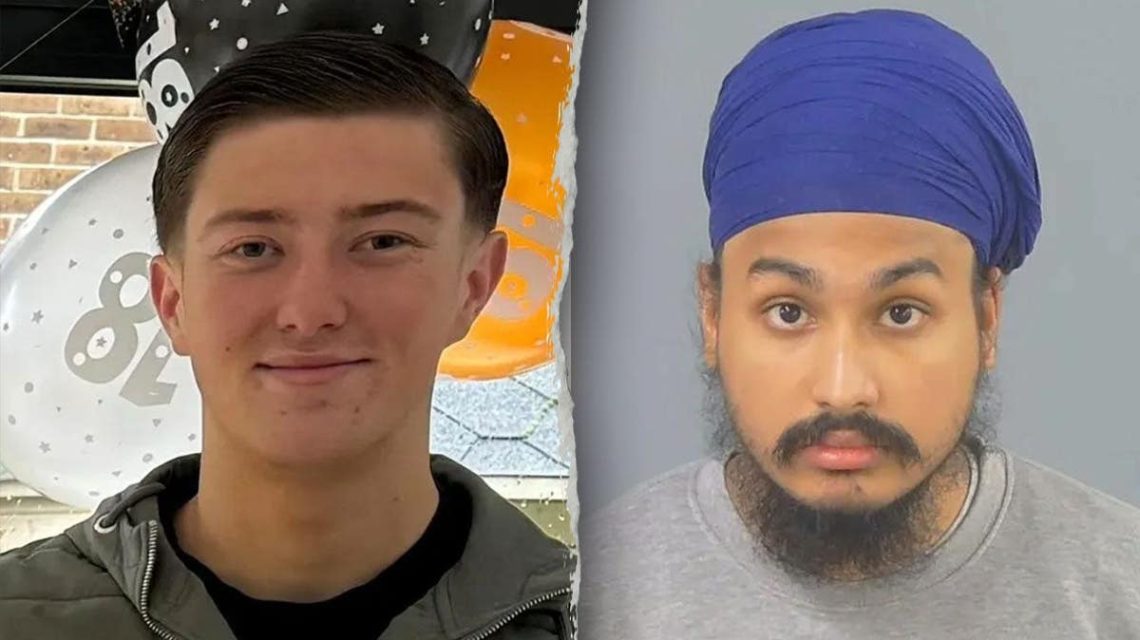
The fatal stabbing of Henry Nowak, an 18-year-old college student, in Southampton, England, has sparked protests and significant public outcry. Greg Palkot, Fox News senior foreign affairs correspondent, reports growing unrest as the case gains attention.
Henry Nowak was stabbed multiple times by Vikram Digwa using an eight-inch ceremonial knife in December 2025. The case has parallels to other high-profile incidents, though with differing contexts and outcomes.
When Trayvon Martin was first shot, I said that this could have been my son.
The comparison with Trayvon Martin’s case sheds light on societal reactions to similar violent incidents in different countries. Despite the differences, both incidents highlight public sentiment regarding race, policing, and justice.
In the UK, the stabbing has drawn attention to sensitive issues around race and policing. Concerns have been raised about whether woke police priorities might have influenced the handling of Nowak’s case. Critics argue that the focus on racial sensitivities overshadowed immediate response needs.
Demographic changes in the UK have introduced new challenges, including cultural tensions and changes in policing strategies. The rapid rise in immigration has partly driven these shifts, affecting public discourse and legislative responses.
Despite being a beacon of free speech in the past, the UK is now seen as repressive in certain speech contexts. In 2023, there were 12,183 arrests for offensive online messages. Speakers’ Corner, historically known for free expression, faces restrictions, particularly regarding sensitive topics.
Chris Philp, a Conservative Party member, highlighted the incident in Parliament, expressing concerns over police priorities at the crime scene. The interplay between race and policing has been contentious, with incidents like Nowak’s highlighting alleged biases.
Additionally, past cases such as that of Valdo Calocane have shown complexities in the legal and mental health systems. These cases question whether racial considerations affect judicial and health decisions, sometimes with tragic results.
In Britain today, public demonstrations and expressions concerning certain causes like Gaza or LGB+ enjoy relative acceptance, while others face scrutiny. The balance between protecting public order and respecting free speech is delicate and controversial.
Prime Minister Keir Starmer’s government confronts criticism for perceived bias in handling these societal issues. Accusations of a ‘two-tier’ system suggest disparities in how different groups are treated under the law.
Nigel Farage and other political figures have challenged these policies, calling out differences in responses to right-wing and left-wing offenses. They argue for rollbacks of equity initiatives in favor of more neutral legal frameworks.
 U.S. Secures Strategic Arctic Agreement
  Trump Administration’s Plan to Resettle Afrikaners as Refugees
 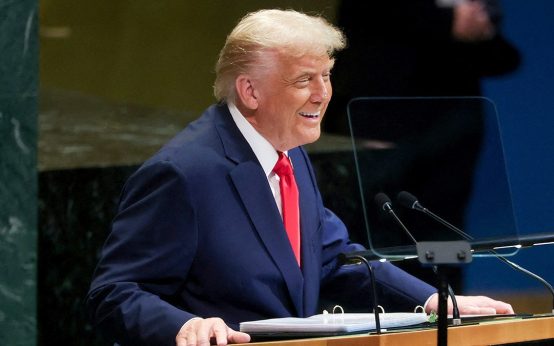 Trump’s Vision on Iran, AI, and Global Security at the UN
 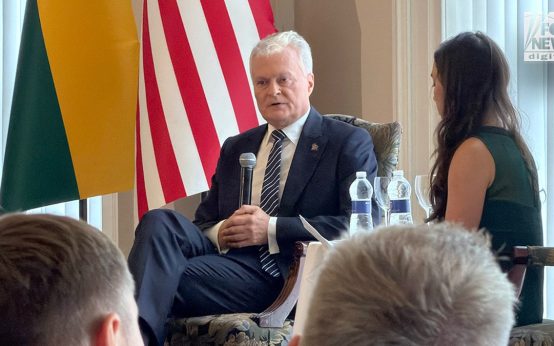 Lithuanian Leader Seeks U.S. Military Commitment Amid Rising Russian Threats
 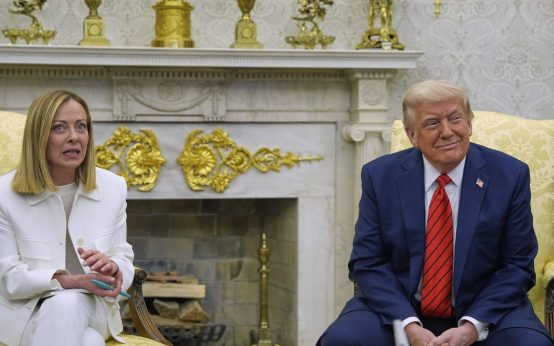 Italian PM Giorgia Meloni Skips UN General Assembly Amid Growing Tensions
 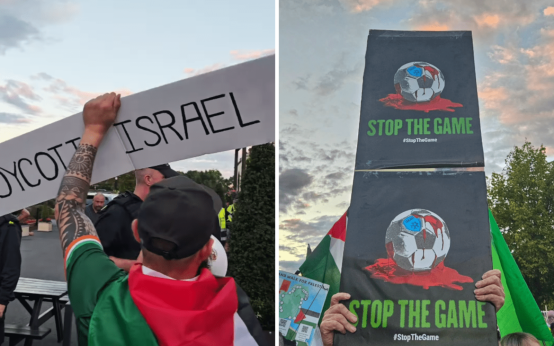 Calls Grow for Ireland’s Soccer Team to Boycott Matches Against Israel