
Spencer Pratt attempted to become Los Angeles’ next mayor with a unique campaign. His journey from a former TV star to losing his home in the Palisades fire resonated with many. Pratt challenged the unpopular incumbent Mayor Karen Bass, driven by a dynamic social media presence and an electorate seeking change.
Pratt capitalized on these sentiments to out-fundraise his main rivals, Bass and city council member Nithya Raman. As a Republican in deeply Democratic Los Angeles, he faced significant challenges. Yet, his campaign evolved into a movement reminiscent of past political upheavals like Proposition 13 and Governor Gray Davis’ recall.
However, Pratt faced a significant hurdle: himself. With nearly all votes tallied, he placed third with 26% of the vote. This outcome mirrored Donald Trump’s 2024 result, leaving Bass and Raman to continue to November.
Missteps in the Campaign
Pratt’s campaign misread the desires of Los Angeles residents. While discontent with the city’s condition was widespread, his strategy leaned heavily on anger and criticism. Los Angeles, though frustrated, is not a place where extreme rhetoric from the right typically resonates. Despite not explicitly aligning with MAGA, Pratt’s tactics resembled those seen in MAGA campaigns.
Pratt often ridiculed progressives in a city with a strong Democratic Socialist presence. His criticism of Raman and Bass came across as simplistic during a period of national political divisiveness. His derogatory remarks about the homeless alienated more compassionate voters.
A Faulty Strategy
While Pratt attracted some frustrated voters, many of his vocal supporters were aligned with far-right ideologies. This group embraced AI-generated videos portraying him as a hero, forgetting his inexperience against seasoned politicians.
Pratt’s focus remained largely on the Westside, with limited engagement elsewhere. Events like a South L.A. block party didn’t yield insights on pressing community issues; instead, Pratt focused on superficial details. This lack of depth alienated voters and undermined his campaign.
Missed Opportunities
In debates, Pratt showcased his strengths, challenging Bass effectively and leaving Raman flustered. However, he missed chances to participate in more debates that could have expanded his audience beyond supportive platforms.
Pratt’s strong points about political inefficiencies and homelessness in Los Angeles were overshadowed by his campaign’s tone. His campaign inadvertently painted an unflattering image of the city, alienating potential supporters.
Reflections and Future Steps
Following his defeat, Pratt hasn’t refuted baseless accusations from supporters alleging election tampering. Instead, he hinted at agreement on social media.
Ultimately, Pratt’s campaign faltered because of a perceived lack of faith in Los Angeles. Residents are willing to tolerate criticism, but they expect a commitment to the city’s future. Angelenos value authenticity and loyalty to their community.
Pratt’s pledge to leave the city if defeated challenges his connection to it. To effect change, participation and encouragement for proactive engagement are essential. Staying involved could mean influencing Bass and Raman to address critical issues. Without genuine love for Los Angeles, genuine reform remains elusive.
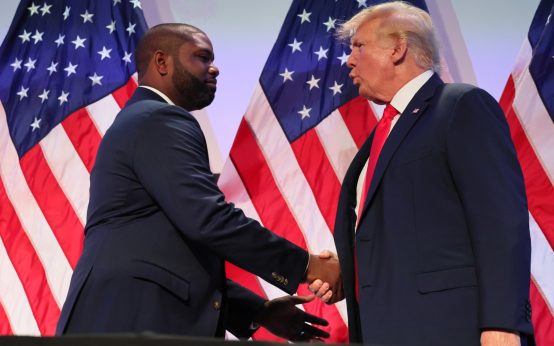 Florida Governor Race: Byron Donalds Adjusts Campaign Approach
  Trump Meets Zelensky and Plans for U.S.-China Relations
  Tight Senate Race in Maine as Susan Collins Faces Criticism
 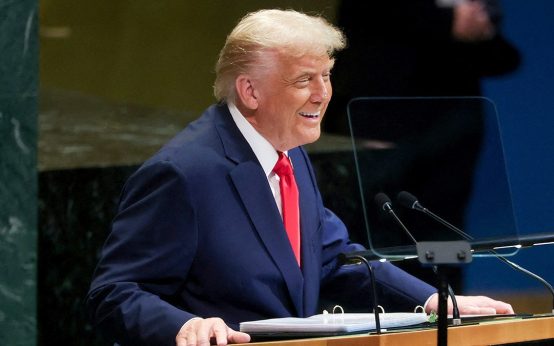 Trump’s Vision on Iran, AI, and Global Security at the UN
 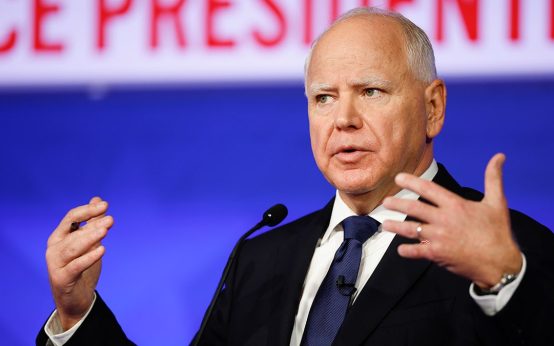 Noncitizens Charged with Voter Fraud in the U.S.
 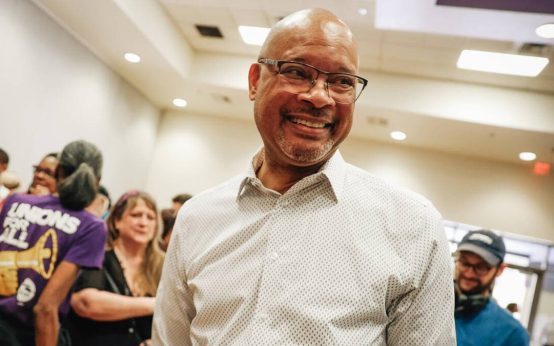 Nevada Attorney General Faces Questions Over Clemency Support for Convicted Killer