
Coho salmon, known for their migration journey, begin life in freshwater, make their way to the ocean, and eventually return to their birthplace to reproduce. However, researchers have observed a concerning trend over the years: many Coho salmon die before they can spawn.
This issue has been notably present in urban streams in the Pacific Northwest. Often, salmon would start to swim erratically before succumbing to death, raising alarm about their potential extinction if the cause was not identified.
Biologists, modelers, community scientists, and environmental chemists joined forces to solve this mystery. They eliminated many potential causes like temperature fluctuations, oxygen levels, and known toxins. The focus then shifted to an unexpected source: chemicals found in tires.
The research team faced the challenge of identifying which specific chemicals were responsible for these deaths. Their findings imply a significant impact of urban runoff containing these chemicals on aquatic life.
 The Discovery of Incendiamoeba cascadensis: A Fire Amoeba
 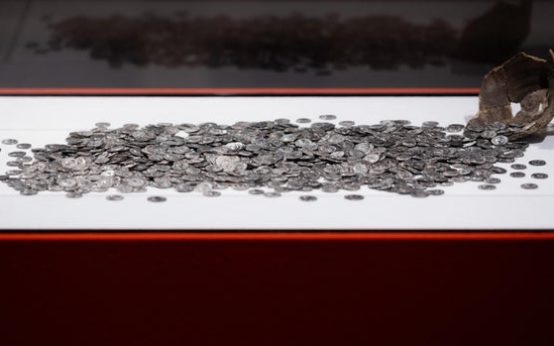 Archaeological Discovery in Germany: Largest Hoard of Roman Coins Found
  Hurricane Formation and Strengthening
 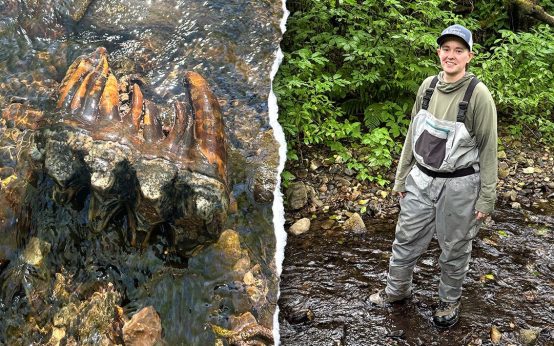 Ancient Mastodon Tooth Unearthed in California Creek
 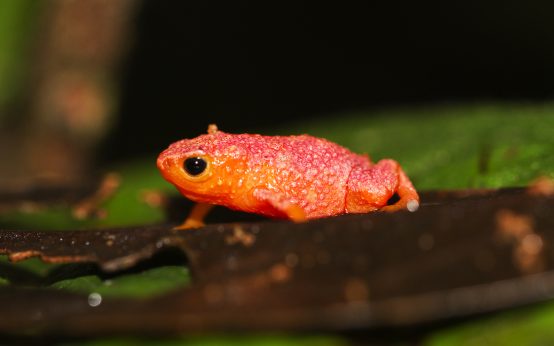 The Tiny World of the Pumpkin Toadlet
  Chimps and Self-Medication: Insights from Gombe Stream