Redefining Shellfish
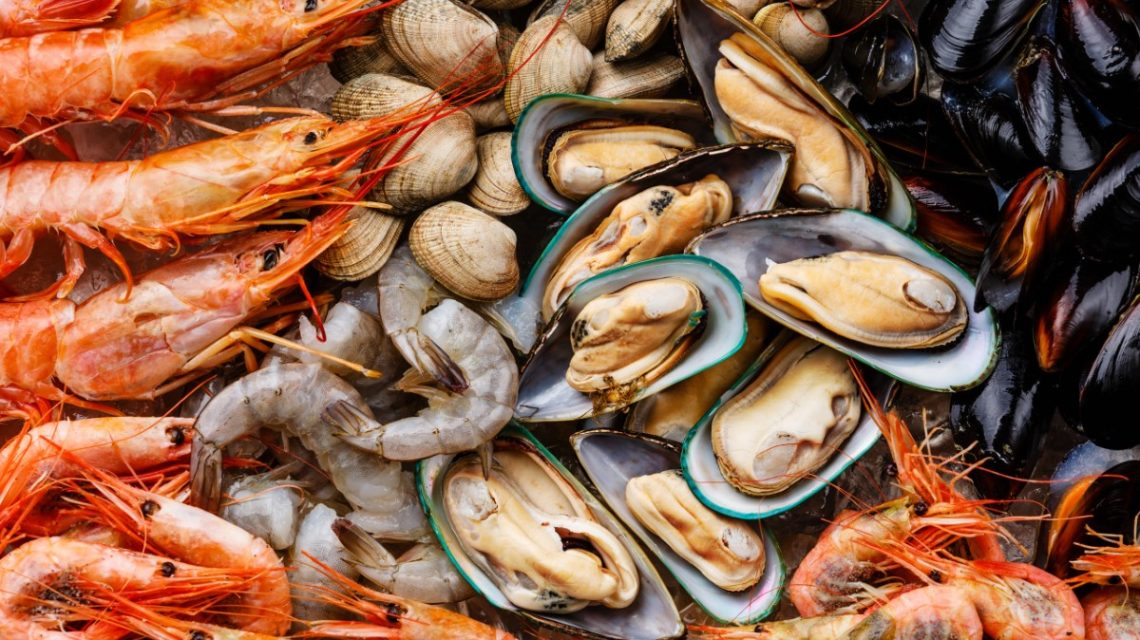
The U.S. Fish and Wildlife Service (FWS) has revised the definition of ‘shellfish’ in federal regulations. Previously, shellfish required an external shell. The updated rule, published on June 23 in the Federal Register, now includes cephalopods such as squid, cuttlefish, and octopus.
This change aligns regulations with modern science and industry practices. It aims to address ambiguities in classification at U.S. ports, affecting mollusks and related species. The new definition takes effect on July 23, 2026.
Details of the Rule Change
Historically, shellfish was defined as ‘any species of mollusk having a shell.’ This was outdated and inconsistent with biological classifications. The revised definition now encompasses invertebrates within phylum Mollusca, including crustaceans like lobster, shrimp, and crab.
The removal of ‘having a shell’ resolves the exclusion of cephalopods, which complicated trade enforcement due to their internal, reduced, or absent shells.
Implications for Trade and Regulation
Officials indicated prior definitions complicated enforcement rules, leading to inconsistent treatment of cephalopod shipments. Industry groups had called for this change. In October 2025, the U.S. Small Business Administration pointed out these ambiguities placed squid harvesters under financial burdens.
U.S. companies involved in squid exports faced numerous charges, including $93 for inspection per shipment, a $100 license, and overtime fees. Small businesses are less equipped to handle these costs compared to larger firms. The office recommended collaboration between NOAA and FWS to clarify squid classification.
The Mid-Atlantic Fishery Management Council urged the revision to exempt squid producers from redundant and costly licensing under FWS oversight. They noted that other U.S. commercial fishery products bypass similar regulations.
Impact on Allergies
While regulatory, the change references cephalopods’ inclusion in medical literature on shellfish allergies. Squid, octopus, and cuttlefish are associated with shellfish allergies despite lacking external shells.
The update does not pose new allergy risks but reinforces existing clinical understandings. It aims to clear up trade terminology and improve regulatory communications, ensuring these species are correctly categorized under the shellfish classification.
 The Discovery of Incendiamoeba cascadensis: A Fire Amoeba
  Archaeological Discovery in Germany: Largest Hoard of Roman Coins Found
  Hurricane Formation and Strengthening
  Ancient Mastodon Tooth Unearthed in California Creek
  The Tiny World of the Pumpkin Toadlet
  Chimps and Self-Medication: Insights from Gombe Stream