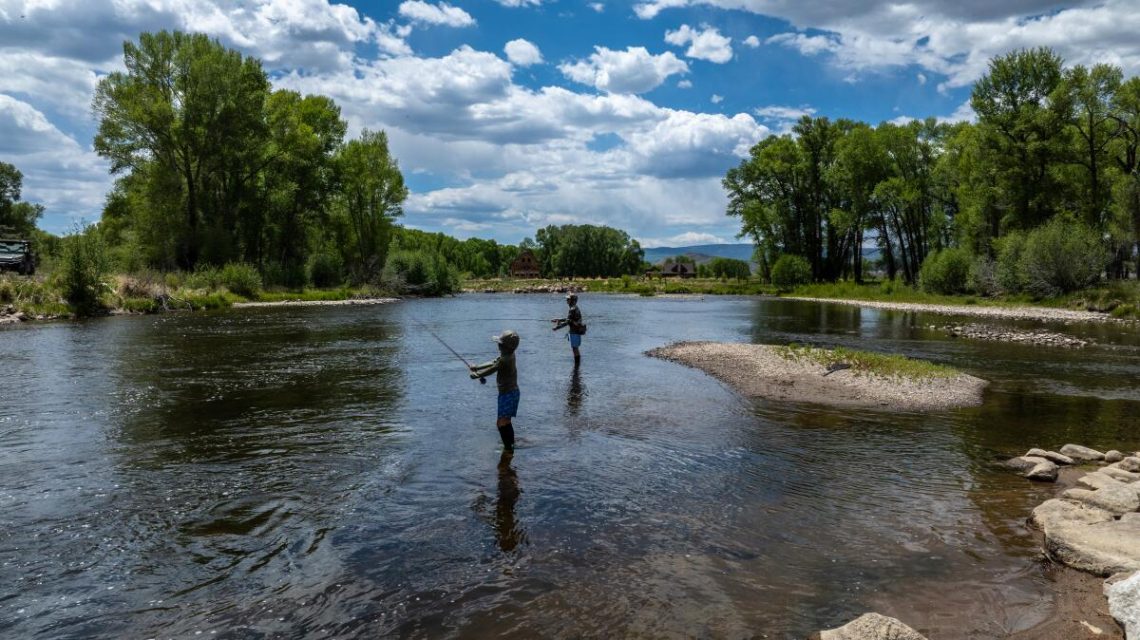
The Colorado River, known for carving the Grand Canyon and being dammed by the Hoover Dam, is facing severe challenges. This river is a crucial water source for millions in California and six other states. Since 2000, it has significantly shrunk due to a megadrought in the western U.S., possibly the most severe in 1,200 years. Climate change is making these conditions worse.
Journalists Ian James and Robert Gauthier recently explored the river’s headwaters in the Rocky Mountains. They observed a landscape with minimal snow and parched conditions, described by ranchers as ‘terrifying.’ Their report highlights the dramatic changes facing the Colorado River.
You reported that the Colorado River is drying up at its source. How much does California rely upon the river?
The Colorado River is vital for Southern California, providing nearly a fourth of its water. This water crosses the desert through the 242-mile Colorado River Aqueduct, including a 13-mile tunnel through Mt. San Jacinto. It’s also the sole water source for the Imperial Valley and other farming regions in Southern California.
California uses more water from the Colorado River than any other state. Despite some progress in using less water, the rapidly shrinking reservoirs put pressure on all states to further reduce usage. Farmers in Colorado’s Uncompahgre Valley have already left many fields dry and unplanted due to reduced water supply.
Should Californians pay more attention to this crisis?
Yes, everyone using Colorado River water should be aware of the growing shortages. The river flow has dramatically decreased in the last 25 years. Reservoirs, such as Lake Mead and Lake Powell, are nearing record low levels. Scientists attribute these changes partly to natural drought cycles, worsened by global warming. Since 2020, the Colorado’s flow has averaged about one-third less than in the previous century.
The 1922 agreement dividing the river water among states overestimated its capacity, now colliding with the reality of a diminishing river.
How can agriculture use less water?
Agriculture utilizes over three-fourths of the water diverted from the river. Nearly half of this supports crops like alfalfa for cattle. Farmers can conserve water by adopting more efficient irrigation and selecting less water-intensive crops. In recent years, farmers in California and Arizona have been incentivized to leave fields dry in exchange for federal payments. Some suggest that the government should buy farmland from willing sellers to let it remain dry.
What do we know about the current negotiations and the Trump administration’s plan?
California, Arizona, and Nevada have proposed a water-saving strategy for the next two years. However, the Trump administration is considering mandatory water cutbacks of up to 40% for these states. Tensions exist between downstream states (California, Arizona, Nevada) and upstream states (Colorado, Wyoming, Utah, New Mexico), which complicates negotiations. Legal disputes may arise if disagreements persist.
 Cold Weather Alerts and El Niño Influence
 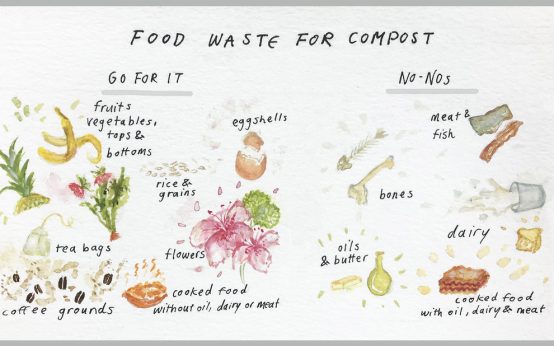 Turning Home Food Waste into Compost: A Guide
  Chicagohenge: When Sunlight Aligns with City Streets
  Fat Bear Week 2026: A Look at the Contest and Its Competitors
  California Governor Declares Statewide Emergency Ahead of El Niño Storms
 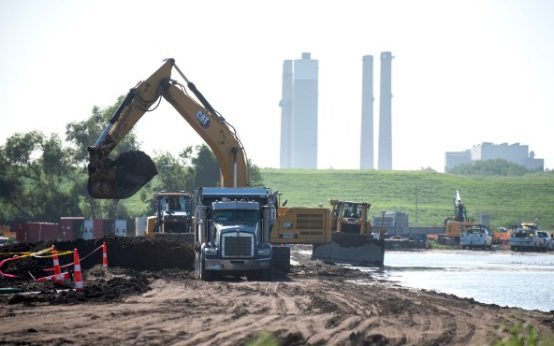 EPA Rollbacks and the Impact on Indiana Communities