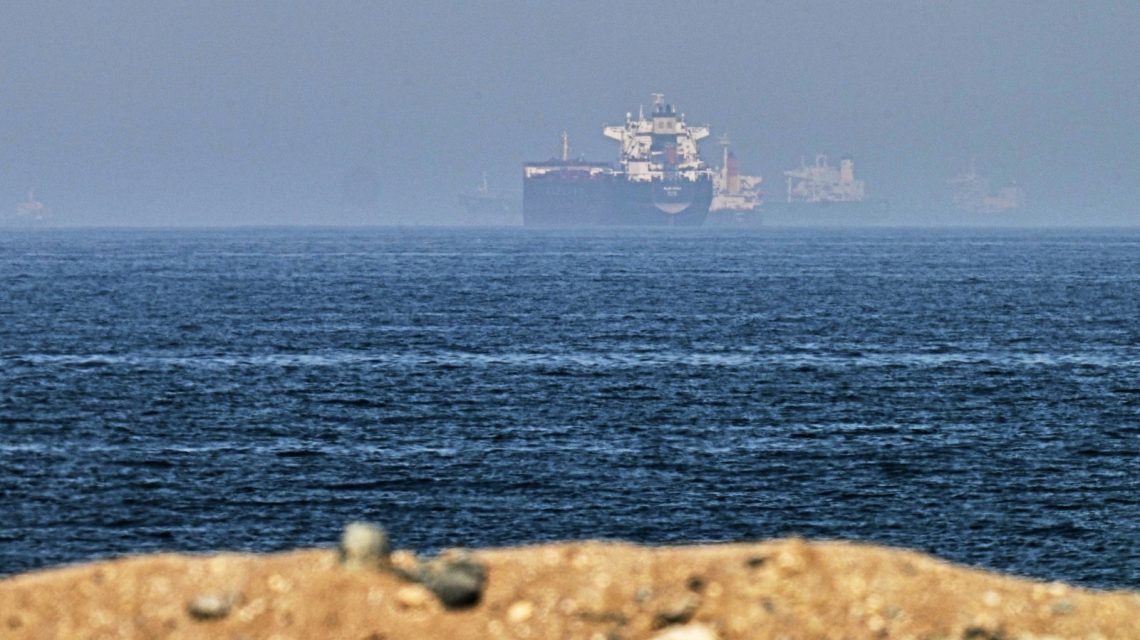
Iran has condemned recent remarks by U.S. President Donald Trump, claiming they are “delusions.” Trump’s comments suggested that the United States could declare the Strait of Hormuz as U.S. territory. This statement comes amidst increasing tensions over a crucial global energy chokepoint.
During an appearance on Long Island, New York, Trump stated that after the U.S. “defeats Iran,” he plans to declare the strait “a territory of the United States.” He asserted that the U.S. already has effective control over the waterway due to its naval blockade of Iranian ports.
Iranian officials responded quickly. Kazem Gharibabadi, Deputy Foreign Minister for Legal and International Affairs, stated that Iran refuses to be intimidated by threats. He emphasized that Iran holds authority over the strait. “The Strait of Hormuz cannot be taken by any means, be it a tweet, an aircraft carrier, or any form of speech,” Gharibabadi stated in a social media post.
The Strait of Hormuz is a significant channel connecting the Persian Gulf to global markets, handling about one-fifth of the world’s oil and natural gas shipments. Control of this passage is crucial for international energy supplies and has far-reaching effects on global markets.
The conflict over the strait is a central issue in the ongoing disagreement between the U.S. and Iran, which began in February. Iran claims parts of the waterway within its territorial waters, while the U.S. seeks to ensure free commercial passage. This standoff has led to increased fuel prices and disruptions in international shipping lanes.
Trump’s remarks align with his previous statements about expanding U.S. influence over strategic locations worldwide. Newsweek has analyzed his references to Greenland, Canada, the Panama Canal, Gaza, Cuba, and Iran’s Kharg Island, a significant oil export hub.
Strait of Hormuz Passage
The current tensions coincide with efforts by Iran and Oman to establish a framework for future shipping through the strait. Iranian officials have proposed charging vessels fees for navigation, security, and maritime services.
The Financial Times reported that JPMorgan analysts suggest Iran and Oman could create a legal basis for fees if positioned as compensation for navigational safety and maritime services, rather than direct tolls. Examples include the Danish Straits and Turkey’s Bosporus, where fees are levied for specific services while allowing transit.
JPMorgan explained fees linked to services like pilotage, safety assistance, and environmental monitoring are permissible under international maritime law, even if fees for mere passage are not. Iranian relations with Oman remain ongoing, but a complete reopening of the strait depends on broader negotiations with the U.S.
Iran Conflict Update
The conflict among the U.S., Israel, and Iran remains unresolved, despite a memorandum aiming to reduce hostilities signed in June. This agreement required Iran to make “best efforts” for safe commercial vessel passage through the strait. Accusations of violations from both parties have persisted. Negotiations over sanctions, shipping rights, and regional security continue, with a major issue being the strait’s future management.
The U.S. argues for the restoration of free navigation, while Iran insists the waterway will not be fully reopened until the U.S. changes its policies. American consumers have experienced rising gasoline prices, an economic impact Trump acknowledged, suggesting these were necessary to prevent Iran from acquiring a nuclear weapon.
 Sen. Tom Cotton Opposes Year-Round Daylight Saving Time Amid Trump Pressure
  Pressure Mounts on Democratic Governors to Join Trump’s Federal Scholarship Program
  A Meeting with Steve Hilton’s Vision Amid California’s Political Dynamics
  BP Lockout Spurs Push for Indiana Legislation on Unemployment Benefits
  Urgent Reforms Needed in Republican Nomination Process
  Musician Zach Bryan Wears ‘Free Palestine’ Shirt at Gillette Stadium Concert