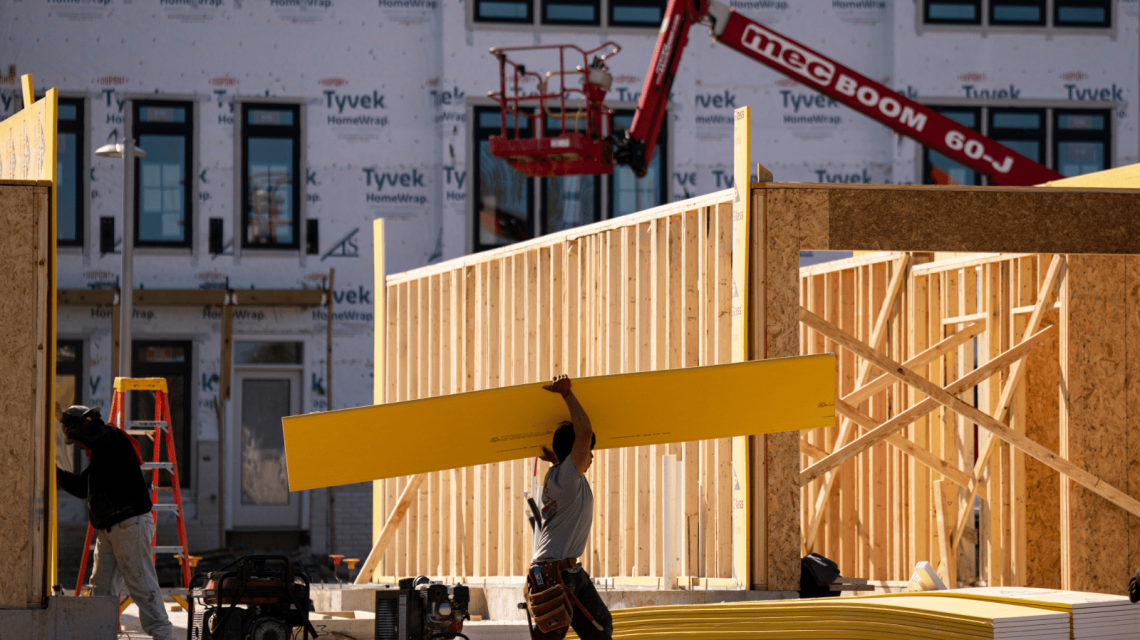
The rapid growth of AI infrastructure is presenting a new challenge for the U.S. housing market. Skilled construction workers are increasingly drawn to the profitable AI data center sector, exacerbating the already severe labor shortage in residential construction. Ed Brady, CEO of the Home Builders Institute (HBI), highlights this issue. He notes that many workers are moving from housing to data centers.
Reasons for AI Data Centers’ Workforce Demand
The burgeoning demand for AI services has led to significant investment in data centers. These facilities house the servers and networking equipment required for AI platforms. Major tech companies like Amazon, Microsoft, Google, and Meta are anticipated to invest over $300 billion in AI infrastructure by 2025. This influx of capital is driving a construction boom.
Data centers need thousands of electricians, plumbers, HVAC specialists, and steelworkers. These workers are often tempted by higher salaries and the promise of longer-term employment in data centers. A CNBC report shows that some workers transitioning to data centers enjoy pay increases of 25 to 30 percent.
Challenges for the Homebuilding Sector
The competition for skilled labor is intensifying at a time when homebuilders are already grappling with staffing issues. The aftermath of the 2008 financial crisis saw many workers leave construction, and few have returned. Brady points out that the industry loses five tradespeople to retirement for every two new entrants.
Experts warn this labor shortage will impact homebuyers. In a Homes.com interview, Brady indicated that those leaving residential construction for AI projects may not return easily. This shift causes residential construction to suffer as commercial projects offer steadier employment and often better compensation.
The shortage reportedly costs homebuilders around $10.8 billion annually, halting the construction of approximately 19,000 homes each year. The National Association of Home Builders (NAHB) has raised concerns about data-center developments competing with housing projects for land, particularly in Northern Virginia.
Economic Implications
Despite concerns, some, like Nvidia CEO Jensen Huang, argue that data-center construction is generating valuable blue-collar jobs. Skilled trades are becoming lucrative career paths.
However, economists warn of broader economic impacts. Joel Berner, senior economist at Realtor.com, states that the shrinking construction workforce is contributing to higher labor costs and extended timelines for new homes.
The pressing issue for homebuilders isn’t the existence of data centers. It’s whether enough workers can be trained to meet demands in both the AI and housing sectors. Brady cautions that the problem will grow if investment in training future skilled workers remains insufficient.
As the U.S. accelerates AI investment, the demand for workers in data centers clashes with housing needs. Critics argue this creates a new housing challenge amid America’s competition to lead in AI technology.
 Early Research Suggests Bans Aren’t the Solution for Social Media Issues
  Plans Unveiled for Cascadia High-Speed Rail in Pacific Northwest
  Social Connections Thrive in Remote Work
  The Impact of Social Media Lawsuits in 2026
  Memphis Officials Consider Temporary Halt on Data Center Expansion Amid Protests
  SpaceX’s Profitable Quarter and Future Outlook