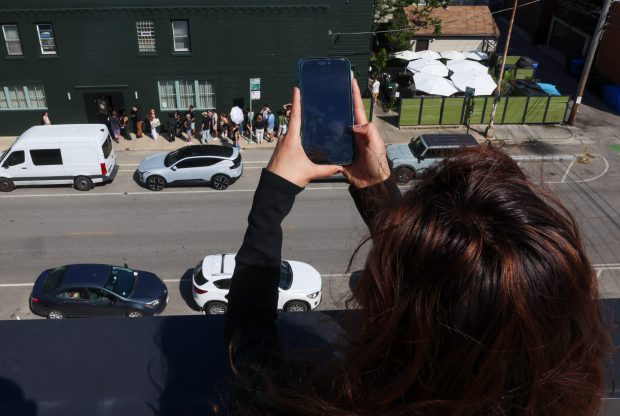
From her rooftop, Sophie Frere observes the bustling activity outside her apartment building every day. Many describe this as a form of mass hypnosis, while others see it as justified attention. Two months ago, Sophie relocated to Chicago, settling on the edge of Wicker Park across from Kasama, a highly popular Filipino restaurant.
Initially curious about the long lines she witnessed, she sought insights from a neighbor. The neighbor explained that Kasama had earned a Michelin star, drawing crowds. This revelation left Sophie pondering the abundance of dining options in Chicago and the endless line of patrons. Her reaction among friends varied; those in the UK found it absurd, while those in San Diego showed enthusiasm.
Sophie, originally from San Diego but with a British accent from her time in London, decided to explore this fascination further by creating a TikTok account called @kasamahowwefeelin. The account documents the daily queue outside Kasama. Surprisingly, her videos quickly gained traction, reaching hundreds of thousands of views. Her second video alone garnered over 200,000 views. Each of her videos now routinely receives between 600,000 to 700,000 views, highlighting the widespread interest in this unusual spectacle.
Despite the high viewership, the content of her videos is marked by inactivity. Similar to Andy Warhol’s experimental films, where immobility reigns, Sophie’s videos capture the static line from her rooftop vantage point. Surprisingly, a live-streamed line garnered 700 viewers, leaving Sophie wondering about the allure of simply watching a queue.
In an amusing turn, Sophie once joked about hiring DJs to entertain the line. This drew around 300 direct messages from DJs eager to participate. On September 27th, a few DJs entertained the crowd from 9:30 a.m. to 2 p.m. This intrigue led Sophie, a former tech worker focusing on AI and consumer behavior, to understand human behavior better as she explores potential studies in law or psychology at Northwestern.
While observing the line, Sophie overhears various stories from people waiting. They include tourists, families, young couples, and hipsters. She interacts with some, asking about their experiences, and is often met with enthusiastic responses about the restaurant. Nonetheless, online comments offer a more critical perspective.
The concept of queuing has historical roots in Europe, tracing back to 14th-century England. David Andrews’ book, “Why Does the Other Line Always Move Faster,” details how the practice evolved over time. Interestingly, the idea of standing in line developed more formally in the 19th century. Initially, lining up was uncommon, with people typically jostling for what they wanted.
The line at Kasama, established in 2020, transcends inconvenience to become a social ritual or form of status. In a city where lines have formed for various reasons, from bakeries to tech releases, TikTok and Instagram have emphasized the fear of missing out. This has transformed waiting in lines into a kind of rite of passage.
Sophie occasionally joins the line herself. She admits that her documentation might contribute to the phenomenon she initially intended to downplay. She notes seeing various interactions while observing the line, from bicyclist encounters to mistaken lines forming when Kasama is closed. Despite the impact on her personal schedule, she continues to document the lines, considering it a form of community service in response to frequent inquiries.
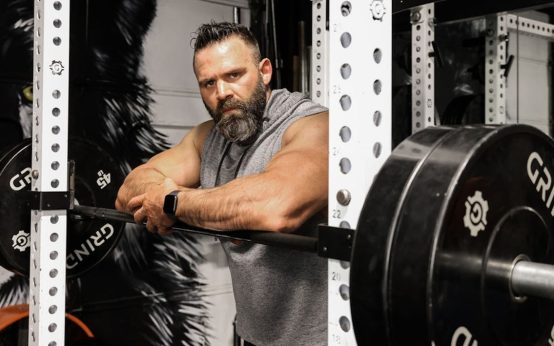 Effective Strategies for Post-Workout Recovery in Adults Over 35
  Woman Captures Unexpected Sturgeon Encounter in Florida River
 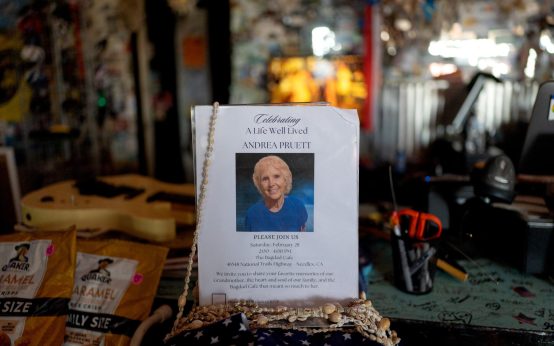 The Legacy of Bagdad Cafe and Its Beloved Owner Andrea Pruett
 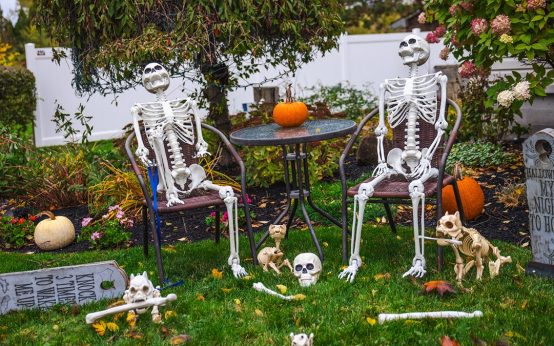 Transform Your Yard with Affordable Halloween Decorations
  Bedsure Heated Throw Blanket: Comfort and Savings for Cozy Days
  Dietitian Advises Caution with Costco’s High-Protein Chef Salad