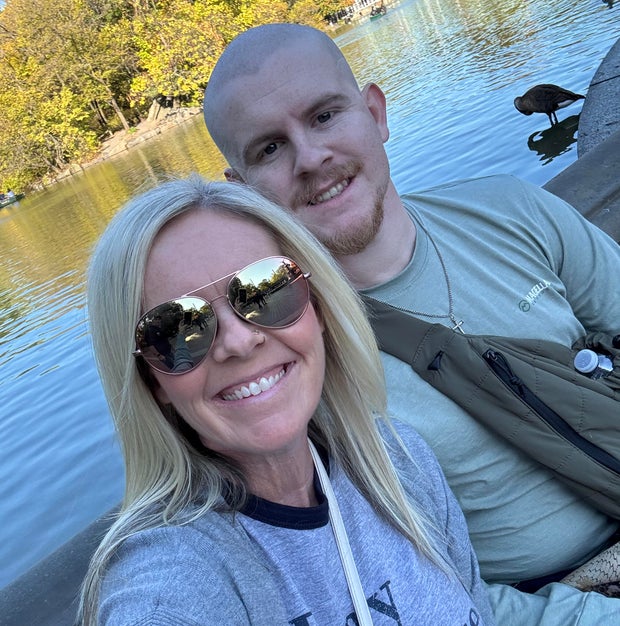
Eighteen months after his initial diagnosis, 21-year-old Mason Henderson found that chemotherapy had not stopped his rare brain tumor. The tumor had spread to his spinal fluid, prompting a move from Texas to New York City for a clinical trial. Unfortunately, that trial proved unsuccessful. Early this year, Henderson’s doctors, analyzing his tumor’s genetics, turned to a drug called Lynparza, made by Merck and AstraZeneca. However, without a standard treatment for his rare cancer, and due to the lack of insurance coverage, they faced obstacles. Henderson’s mother, Tabitha Lowe, expressed frustration with the insurance system for not accommodating rare cancers.
Every year, countless patients receive diagnoses of rare tumors, accounting for about a quarter of all U.S. cancer cases. Insurers rely on FDA labels and expert guidelines to determine reimbursement eligibility. In many instances, rare cancers lack targeted FDA-approved treatments. Molecular tests from diagnostic labs can indicate potential treatment paths. “Insurance coverage often lags behind genomic testing and scientific insights,” said Olivier Elemento from Weill Cornell Medicine.
Henderson’s neuro-oncologists, Jacob Mandel and Jessica Schulte, tried Lynparza with chemotherapy despite limited evidence. The drug offers biological rationale due to the specific tumor cell flaw it targets. Past cases showed positive responses in similar tumor types. Yet, large trials for such rare cancers remain unlikely.
After prescribing Lynparza, insurance refusals followed. Henderson’s pharmacy benefit manager, Liviniti, denied coverage, and subsequent appeals faced hurdles, including disapproval from a nonspecialist medical reviewer. The out-of-pocket cost of Lynparza ran about $8,700 a month. With options dwindling, Lowe turned to social media, advocating for her son and highlighting the plight of rare cancer patients.
In March, a social media campaign caught attention, leading AstraZeneca’s patient assistance program to provide the drug. Despite the family’s perseverance, Henderson succumbed to his illness in May, after taking Lynparza for two months. The family created a college scholarship in his memory, raising funds via a campaign and events, supported by notable contributors.
Henderson’s journey highlights the challenges faced by those with rare cancers. The delays in treatment approval and insurance disputes consumed valuable time. “There’s an especially painful aspect of spending time fighting healthcare instead of being with Mason,” said Lowe. Her experience underscores the need for better processes in healthcare for rare cancer patients.
 Effective Strategies for Post-Workout Recovery in Adults Over 35
 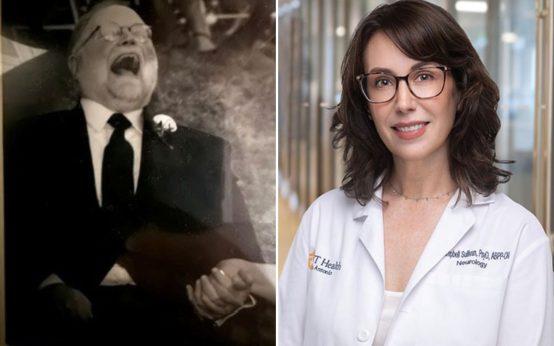 Understanding the Journey of FTD and ALS Through Personal Experience
  A Woman’s Battle with Rare Medical Conditions: Advocating for Awareness
  October Social Security Payment Schedule and Updates
  Shooting at South Los Angeles Senior Facility Leaves Three Injured
 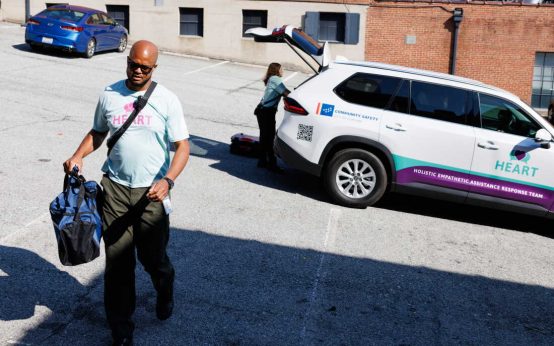 Durham’s HEART Program Paves a New Path for Community Response