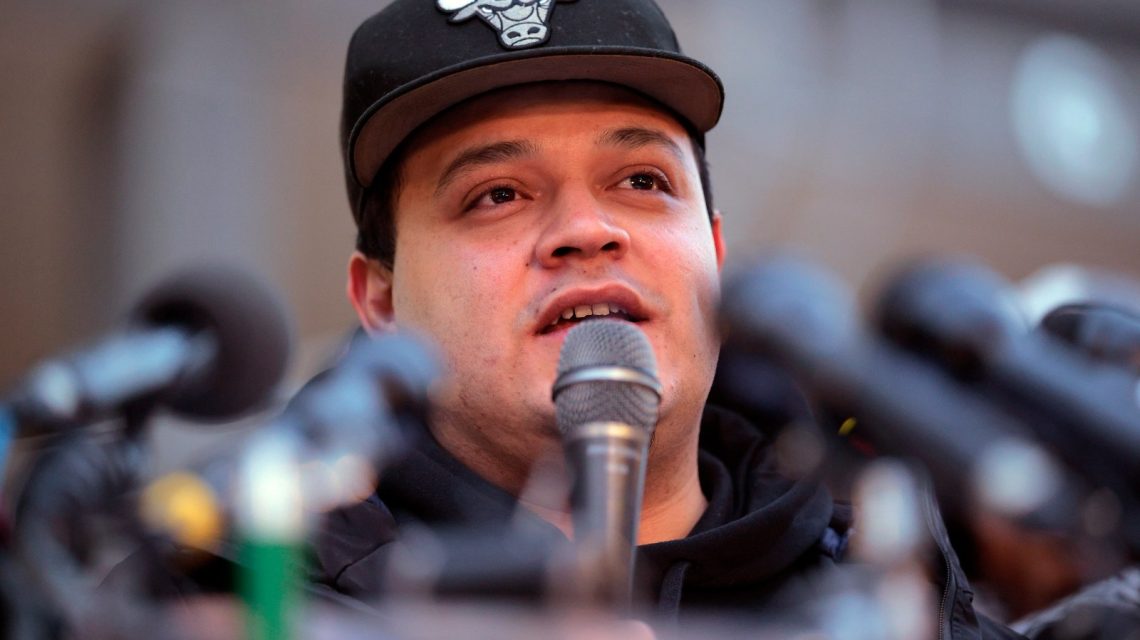
The recent dismissal of the criminal case against Kilmar Abrego Garcia brings his situation into focus. Abrego Garcia’s journey is reflective of many who have faced challenges while seeking a new life in the US. He lived in the shadows of the American dream and was accused of actions like helping others enter the country illegally. His importance lies beyond any perceived moral standing.
Unfounded Accusations and Legal Struggles
Under the Trump administration, Abrego Garcia faced numerous accusations. After being deported to the harsh environment of CECOT prison in El Salvador, he was labeled without evidence as a drug gang member. The real threat to law and order may be those who tried to undermine him under false pretenses.
Despite taking months to supposedly find a way to return him to the US, the administration eventually did. Upon his return, Abrego Garcia was vilified with heavy accusations, including gang affiliation, trafficking, and abuse. However, none of these accusations resulted in valid charges.
Challenging the Charges
Abrego Garcia was charged with smuggling aliens, yet the charge didn’t hold. A federal judge identified the prosecution’s lack of evidence, noting that his legal fight against deportation was the real reason for his persecution. The case relied on dubious testimony from a repeatedly deported and convicted individual.
The prosecution’s star witness, who benefited from a deal to testify against Abrego Garcia, presented an unreliable story about Abrego Garcia’s alleged activities. Claims suggested he drove hundreds of illegal immigrants across the country, which lacked credibility.
Political Motivations and Legal Repercussions
For President Trump, the guilt or innocence of his adversaries seemed negligible. Instead, the focus was on their opposition to him. His approach demonstrated how overwhelming legal battles could be a significant burden, potentially devastating to innocents.
Court dismissals in situations like these require additional measures. Government attorneys who engage in misleading prosecutions should face consequences, such as challenges to their law licenses. The court handling Abrego Garcia’s case acknowledged the prosecution’s intentions were politically motivated.
Seeking Justice and Compensation
Although lawsuits against the government for monetary compensation can be pursued, they often fail to serve as effective deterrents. Taxpayers bear the cost of these legal missteps, not the individuals responsible. Nonetheless, victims of abusive legal actions, such as Abrego Garcia and others like former officials under scrutiny, should have the right to seek damages.
Compensation should be made available even against prosecutors acting improperly. Currently, the system seems reversed, with funds allocated for those convicted rather than innocent victims. This approach mirrors claims of bias within the Justice Department.
Thomas G. Moukawsher, a former Connecticut judge and legal author, presents these views. They reflect a call for accountability and the reduction of unnecessary legal complexity.
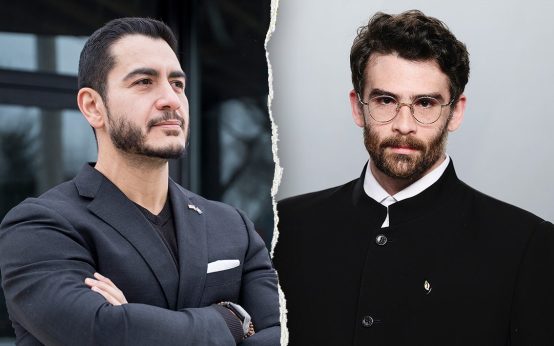 Flight 93 Hero’s Father Criticizes Ties Between Hasan Piker and Abdul El-Sayed
 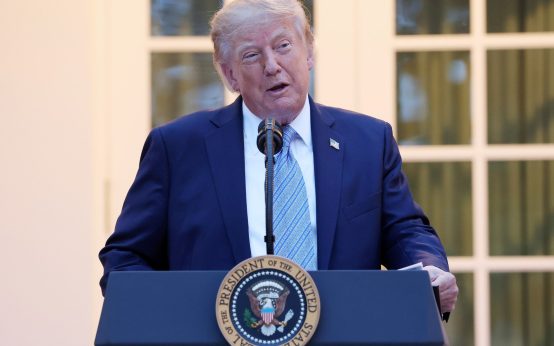 House Races Shift Amid Democratic Momentum
  Iowa Senate Race: Marist Poll Shows Democrat Josh Turek Leading Republican Ashley Hinson
  Kamala Harris and Abdul El-Sayed Campaign Together in Detroit
  Challenges Facing the Supreme Court’s Public Perception
  California Democratic Aide Arrested for Visa Overstay by Federal Authorities