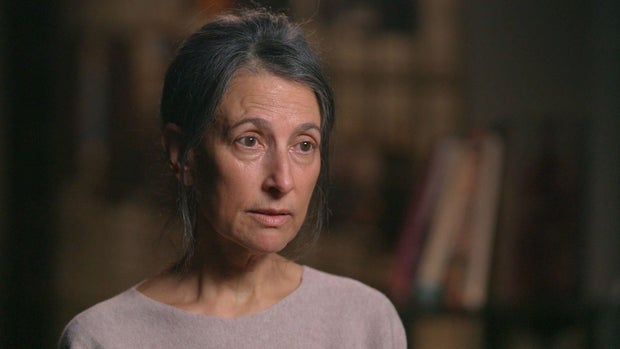
An updated version of this story was first shared on April 19, 2026. It reflects on the ongoing conflict since Hamas launched an attack on Israel three years ago. This war in Gaza has resulted in the deaths of numerous children, affecting both Palestinian and Israeli mothers. This is the story of one such mother, Rachel Goldberg-Polin.
Rachel Goldberg-Polin moved to Jerusalem with her husband Jon and their three children 18 years ago. On October 7, her son Hersh was wounded and taken hostage by Hamas. Despite their tireless efforts to bring him and others home, Hersh was executed after 328 days. Rachel expresses the profound suffering she faced knowing her child was being tortured. Upon learning of his death, she realized those days he was alive had been a source of hope.
The knowledge of torture and torment is excruciating, but awareness of his death was the ultimate loss.
Rachel described Hersh as an easy son, blessed with a kind disposition. Hersh and his friend Aner Shapira attended the Nova Music Festival near Gaza when Hamas attacked. During the chaos, Hersh sent two messages to Rachel: “I love you.” and “I’m sorry.” Survivors recount Aner’s bravery in the defense, while Hersh was seriously wounded. Four young men, including Hersh, were captured and taken into Gaza.
On October 16, Jon and Rachel learned about Hersh’s kidnapping through a disturbing video, which confirmed he walked alive into captivity. Rachel became a prominent voice for the hostage crisis, meeting international leaders and sharing the increasing number of days since the abduction. Despite the emotional toll, she maintained resilience, repeating a mantra of love and survival.
On the 201st day, a video by Hamas showing Hersh’s injury provided Rachel with determination to continue fighting. The hostage families, on the 328th day, called their loved ones’ names towards Gaza. Unbeknownst to Rachel, Hersh was murdered that day. Israeli soldiers later discovered his body in a tunnel; Hersh was shot multiple times.
Thousands attended Hersh’s funeral, even as Rachel and Jon continued advocacy for hostages. February 2025 brought an unexpected turn; a fellow former hostage, Or Levy, was released. Or spent three days imprisoned with Hersh, recounting how Hersh’s humor and words became a mantra that helped him survive.
“He who has a why can bear any how,” a phrase from Viktor Frankl’s memoir, guided Hersh and the others. Or had this phrase tattooed as a tribute to Hersh. Rachel asked Or about Hersh’s “why,” and Or pointed to her, signifying Hersh’s enduring love for his family.
Through Or, Rachel received comforting news: Hersh had heard her voice on the news, a small solace amidst the tragic events. Rachel authored a book “When We See You Again,” reflecting the chronic nature of grief. She explores new perspectives on living with love for those lost.
With the final hostage’s return after 843 days, Rachel and Jon removed the tape marking each day since Hersh’s captivity began. They found solace in the collective effort of their advocacy, even if it did not bring about the outcome they wished. Hersh’s presence remains palpable within his preserved room, a testament to their enduring struggle.
Rachel reflects on the symbols of failure, acknowledging their efforts in the return of hostages, albeit not as they had envisioned.
 Controversy Over Pentagon’s Plan to Livestream Execution of Fort Hood Shooter
  Russian Strikes and Diesel Deal Spark Controversy
  Cartels Facing New Challenges in the Americas
  Increasing Number of Americans Seek Luxembourg Citizenship Amid Political Tensions
  Jack Keane Defends Israel Amid UN Criticism, Pillay’s Nobel Victory
  Empire State Building Honors Fox News’ 30th Anniversary