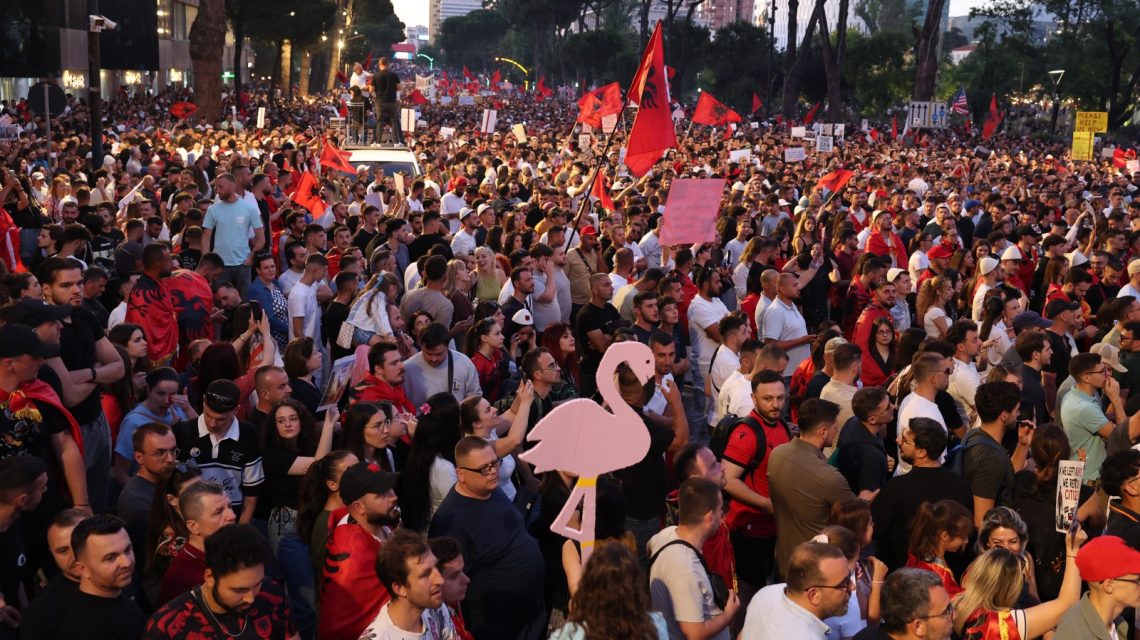
On the edge of a lagoon in southwestern Albania, a 14th-century monastery stands resilient. It connects to a small island by a wooden footbridge, surviving empires. The surrounding waters of Zvërnec form a protected wetland, vital for migratory birds and one of Albania’s last pristine coastlines.
When talks of a luxury resort emerged, tied to investments linked to Jared Kushner, protests ignited. Residents voiced environmental concerns, fearing for Zvërnec’s fragile ecosystem. Their frustration was palpable, reflecting broader discontent. The Kushner project highlights deeper issues in Albania, rather than being the sole cause.
Tourism contributes about 22% to Albania’s GDP, presenting economic incentives. A resort of this scale might elevate Albania on the global tourism stage. Yet, environmental concerns deserved an open public process. Instead, amendments to national laws passed with little transparency, leaving citizens excluded. This pattern, not just the project, triggered widespread discontent.
Since 2013, Edi Rama’s government has pledged transformation and EU integration. Successes in infrastructure exist, yet overshadowed by corruption scandals. The establishment of the Special Structure against Corruption and Organized Crime (SPAK) revealed corruption, with officials arrested and taxpayer money mismanaged. These issues appear systemic to many citizens.
Challenges extend beyond corruption. Costly projects, opaque deals, and concentrated power foster disillusionment. Scandals reinforce beliefs of unaccountability and weak institutions unable to provide oversight.
The opposition struggles with its own baggage. Sali Berisha, its central figure, symbolizes a stagnant political system. Questions about political interests and a lack of vision leave citizens feeling unrepresented by either side.
Protests are driven by government failure and an uninspiring opposition. Citizens demand accountability and governance serving public interests. They seek systemic change, not merely a new government. This call resonates beyond Albania.
Globally, democracy faces a challenge: delivering real benefits. When leadership fails, populism and authoritarian alternatives gain traction, eroding democratic values. Democracy falters when it doesn’t serve its people.
Albania’s situation warns of these dangers but also offers hope. Citizens remain active, demanding their democracy live up to its name. This represents democracy striving for integrity and renewal.
Rudina Hajdari is Acting Program Director at the Institute for Global Affairs. She served in the Albanian Parliament and on the U.S. House Foreign Affairs Committee. The views in this article are her own.
 Trump Administration’s Plan to Resettle Afrikaners as Refugees
  Trump’s Vision on Iran, AI, and Global Security at the UN
  Lithuanian Leader Seeks U.S. Military Commitment Amid Rising Russian Threats
  Italian PM Giorgia Meloni Skips UN General Assembly Amid Growing Tensions
  Calls Grow for Ireland’s Soccer Team to Boycott Matches Against Israel
  New U.S. Military Bases Planned in Greenland Amid Strategic Security Deal