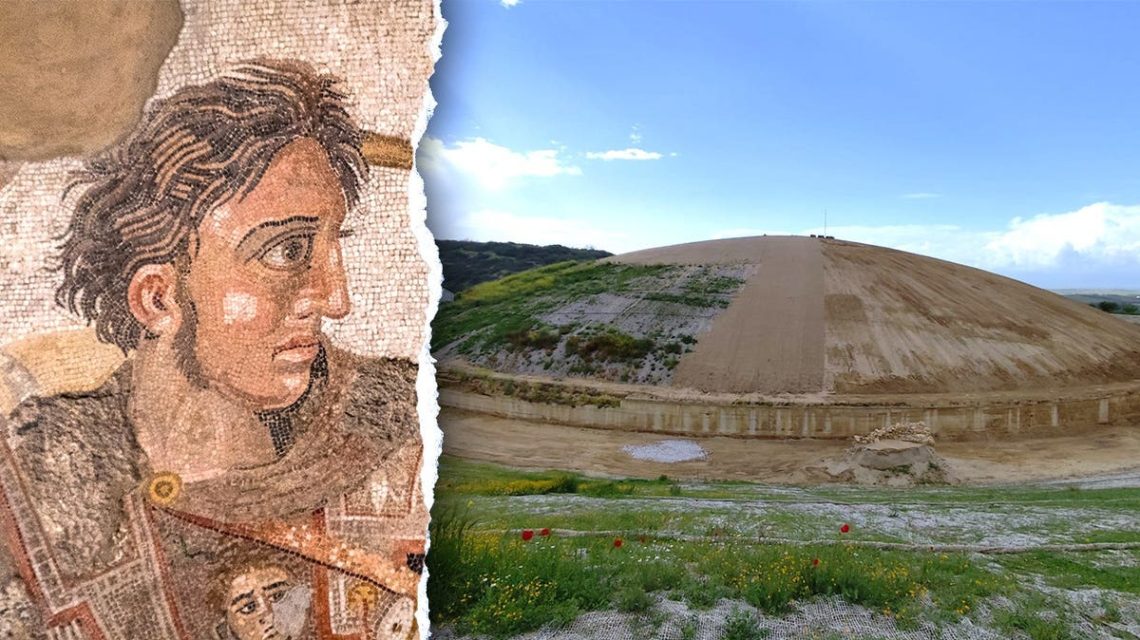
Greek officials have revealed the interior of an ancient tomb in Amphipolis, possibly linked to Alexander the Great. The Ministry of Culture shared this update on May 11, focusing on ongoing excavation and restoration efforts.
The Kasta Tomb is situated in Amphipolis, a site that hosted an ancient Macedonian city located approximately 60 miles northeast of Thessaloniki. This discovery has excited historians and archaeologists alike.
The tomb’s enclosure, constructed in the fourth century B.C., has been fully uncovered, highlighting its vast dimensions. It measures about 1,630 feet in circumference and encircles a burial mound that spans over 20 acres. Images from the site reveal marble-lined corridors and elaborate sculptures, indicating it belonged to a Macedonian elite.
Older supports inside the tomb have been removed to enhance visibility. Plans include re-installing a monumental marble door and restoring sphinx sculptures that previously guarded the entrance. According to Lina Mendoni, Greece’s Minister of Culture, this effort underscores the site’s historical significance.
The Kasta Tomb is a unique and magnificent Macedonian monument. As restoration progresses, its historical importance becomes evident.
Amphipolis has ties to key figures from the Kingdom of Macedon, including Alexander the Great’s generals – Nearchus, Hephaestion, and Laomedon. Although the city remained loyal to Alexander’s mother, Olympias, it eventually surrendered to Cassander, one of Alexander’s successors. Cassander notoriously imprisoned and executed Alexander’s wife Roxana and son Alexander IV in Amphipolis.
Alexander the Great established a vast empire that spanned Europe, Asia, and Africa. Known for defeating the Persian Empire, he died at the age of 32 without ever losing a battle. Archaeologists speculate that the Kasta Tomb was intended for someone close to Alexander, such as his family or companions.
This excavation is part of broader archaeological efforts related to Alexander the Great. Earlier, a long-lost city, Alexandria on the Tigris, was rediscovered near the Persian Gulf, furthering understanding of Alexander’s expansive legacy.
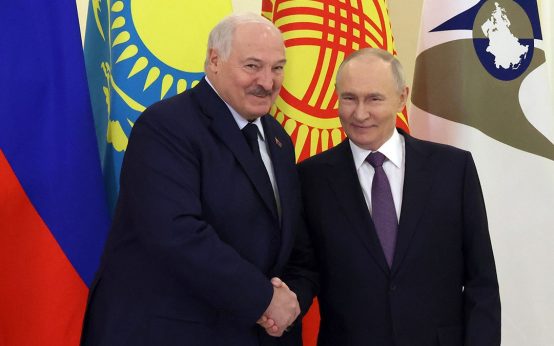 Lukashenko and Putin’s Unique Relationship and Belarus’ Strategic Role
  Alan Ritchson Faces Backlash Over Political Remarks
 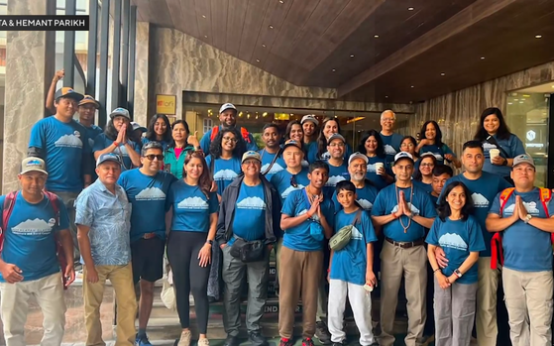 Himalayan Pilgrimage: A Couple’s Narrow Escape and Lingering Questions
  Former CEO Sentenced for Bank Fraud and Sanctions Evasion
  Russia’s Potential Incursion Into Estonia: NATO’s Resilience Under Scrutiny
  Senators Urge Action to Free Imprisoned Journalist in Iran