
As votes continue to be counted, Steve Hilton, backed by President Trump, leads the California gubernatorial race with 27.8% of the votes. Democratic candidates Xavier Becerra and Tom Steyer follow closely, but Hilton’s path to governorship remains challenging due to anticipated shifts towards Democratic preferences as more ballots are tallied. Historical trends indicate a likely Democratic advantage in final counts, reminiscent of past California trends favoring Democrats post-election day.
“California last elected a Republican governor in 2006. Experts anticipate the latest mail-in ballots to lean more Democratic,” reported Associated Press.
In a notable shift, Monterey Park residents decisively voted to ban data centers, passing Measure NDC with 86.27% majority. Contextually, this follows nationwide opposition toward data center expansion, mirroring broader environmental concerns. Concurrently, Los Angeles faces intriguing outcomes in its mayoral race. Mayor Karen Bass progresses to the runoff against either Spencer Pratt or Nithya Raman, promising a highly contested race.
Xavier Becerra celebrates advancing in his gubernatorial bid, addressing supporters at a spirited event in downtown Los Angeles. His underdog campaign highlights themes of affordability and inclusivity. Despite trailing Hilton, Becerra expresses optimism about securing a place in the November election.
Other notable contests include Democrat Dave Min advancing against Republican Jenny Rae Le Roux in Congressional District 47, where demographics heavily favor Democrats. In the redrawn 48th District, Republican Jim Desmond and Democrat Marni von Wilpert also progress to the November showdown. Each race, influenced by redistricting following Proposition 50, underscores shifts advantageous to Democratic candidates but remains pivotal in shaping congressional power.
Supporters of Xavier Becerra rally in downtown L.A., celebrating his rise in the polls amid tight endorsements and community support. Political analysts emphasize the potential impact of early voting patterns, notably pointing towards a probable uptick in Democratic votes due to mail-in ballot processing timelines.
Related statistics emphasize evolving demographics within California’s electoral landscape: notable female gubernatorial absence sparks discourse, while legislative incumbents maintain leads in education-focused elections. Further, shifts in mayoral dynamics, particularly among Latino voters in L.A., intensify focus on sociopolitical engagement and community representation. As election results unfold, strategic adaptations by candidates underscore the unpredictable nature of the election season.
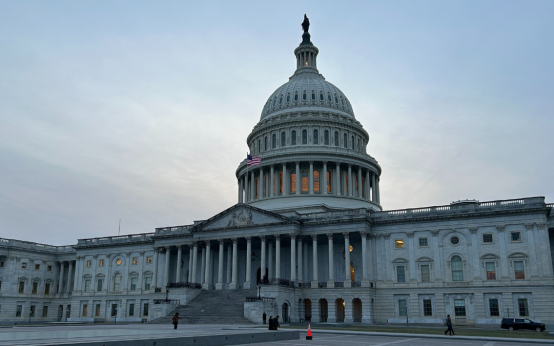 Senate’s Packed Agenda Faces Legislative Challenges
 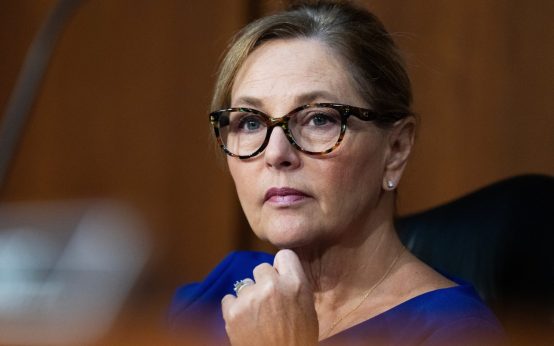 Darline Graham’s Lead in South Carolina GOP Senate Race
 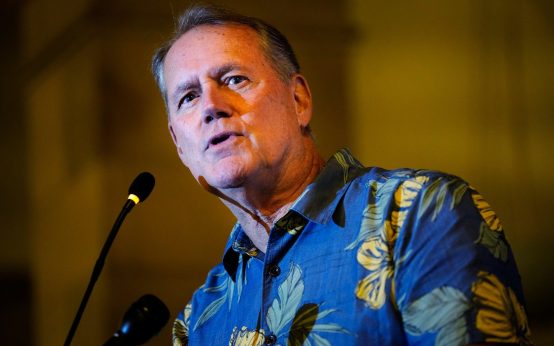 Hawaii’s Democratic Primary Highlights Party Divisions
 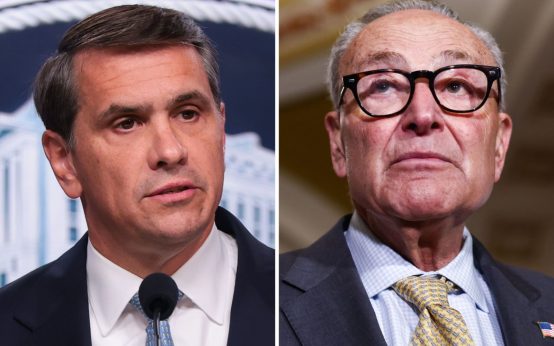 Todd Blanche’s Confirmation as Attorney General Sparks Debate
  Trump’s Renewed Efforts to Limit Birthright Citizenship Face Legal Hurdles
  Bill Maher Criticizes Sen. Rand Paul Over Fauci’s Diary Release