
A recent regulatory proposal from the Trump administration has raised significant concerns among the scientific community. This proposal, spanning 412 pages, threatens to alter the funding landscape for scientific research in the United States.
The Office of Management and Budget (OMB) has suggested changes that would limit the types of research eligible for funding. It also intends to grant final authority to political appointees, allowing them to refuse federal funding for research not aligned with presidential priorities. The OMB argues these revisions are necessary due to a perceived ‘lack of transparency, accountability, and proper oversight’ in the disbursement of federal funds. This, according to the agency, has led to the misuse of funds to advance a ‘woke’ policy agenda, particularly focusing on diversity, equity, and inclusion programs established during the Biden administration.
One critical aspect of the proposal involves diminishing the role of peer review in funding decisions. Traditionally, expert scientists conduct peer reviews to assess the scientific merit and strength of evidence in research proposals. Under the new plan, peer review would shift from a decisive role to merely an advisory capacity. This fundamentally alters the existing collaboration between the federal government and the scientific community, wherein Congress allocates funds, agencies manage them, and scientists through peer review determine worthy scientific endeavors.
Currently, political appointees in agencies like the Department of Health and Human Services hold substantial power to manage agency programs and set new priorities. However, they have generally refrained from politicizing scientific proposal evaluations. The proposed changes would vastly expand their influence, enabling decisions on grant approvals based heavily on political alignment rather than scientific quality and public necessity. This presents a significant risk of prioritizing political loyalty over scientific excellence and national interest.
While scientists are not flawless and the system may appear inefficient, the existing grant review and publication processes are transparent and externally verifiable. These robust checks and balances, enforced by peers, maintain scientific integrity. The proposed rules could disrupt these processes, undermining the conditions vital for rigorous science serving the public good.
Under the new proposal, political appointees could reject funding for key issues such as climate change, vaccines, or health disparities affecting women of color if they find the scientific justification insufficient or inconvenient. Additionally, appointees might halt ongoing grant projects if deemed politically or ideologically unsuitable. The scope of the proposed rules covers virtually every federal agency, impacting grants related to housing, disaster recovery, transportation, and Medicaid. This broad authority could affect billions of dollars in taxpayer-funded grants.
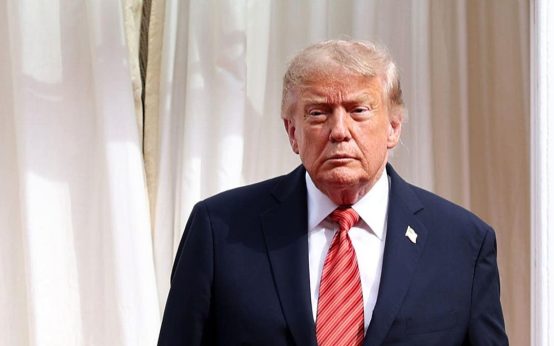 Trump Pressures Senate Republicans to End Filibuster to Prevent Democratic Dominance
 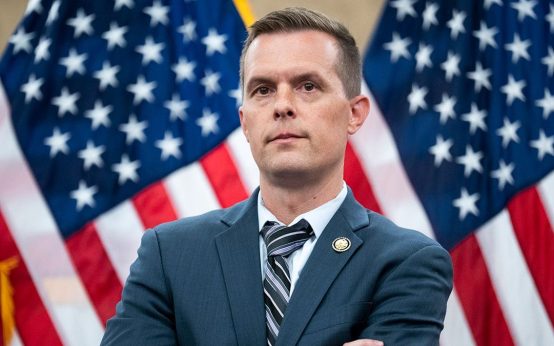 Jared Golden Endorses Mike Lawler for Re-election
  Data Centers and Their Role in the Midterm Election
 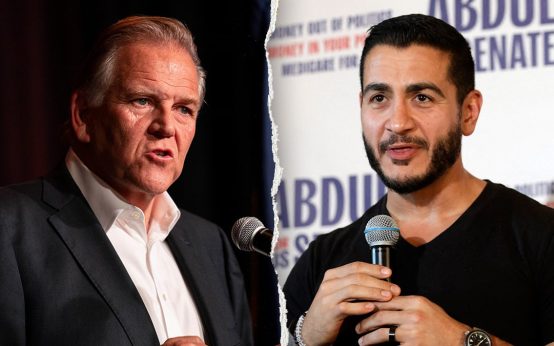 Jewish Democrats in Michigan Show Support for GOP Candidate
  Mayor Mamdani and President Trump Discuss Housing and Immigration in NYC Meeting
 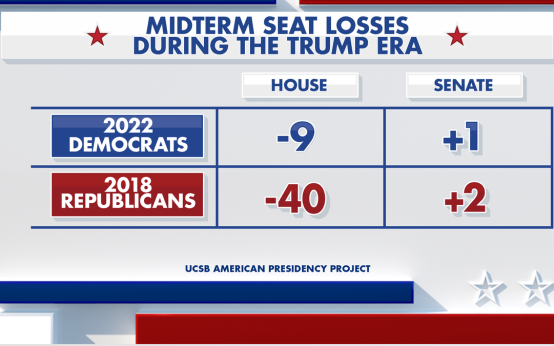 MAGA Movement Gains Popularity Over Socialism Amid Democratic Party Debates