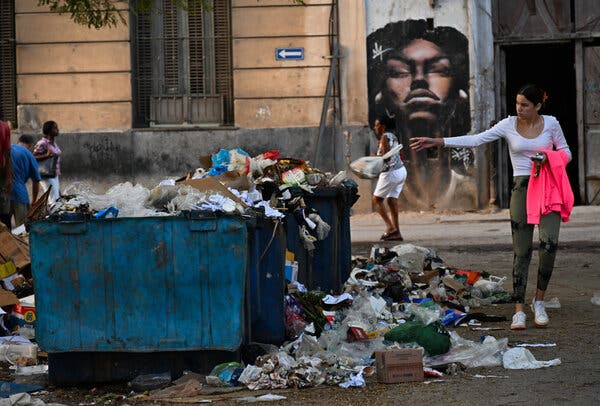
The fuel blockade in Cuba has worsened the problem of inconsistent garbage collection. This has resulted in the creation of large trash piles in Havana. The situation is symbolic of a deeper crisis facing the island nation as resources dwindle.
Impact on Local Workers
José Fernández Zaldívar, a 79-year-old street cleaner, earns approximately $9 a month. He maintains the busy San Rafael Boulevard. Each day, he pushes a cart to collect garbage. Despite his efforts, trash overruns many areas, including his own home in Central Havana.
Fernández describes how trash, such as plastic bottles and corn husks, accumulate to the point where they block his front gate. This forces him to clear a path just to leave his house.
A City Overwhelmed
The heaps of garbage reflect Havana’s ongoing struggle. With government oil reserves depleted, the city lacks sufficient gasoline to operate garbage trucks. Trash piles, sometimes reaching four feet in height and stretching half a block, have become common sights.
Residents have resorted to burning trash to deal with the overflow. Fernández voices the frustration many feel. He is perplexed by the sheer volume of waste on the streets.
Note: The article reflects the dire garbage situation in Cuba’s capital, highlighting challenges faced by the community amid global fuel issues.
 Lithuanian Leader Seeks U.S. Military Commitment Amid Rising Russian Threats
  Italian PM Giorgia Meloni Skips UN General Assembly Amid Growing Tensions
  Calls Grow for Ireland’s Soccer Team to Boycott Matches Against Israel
 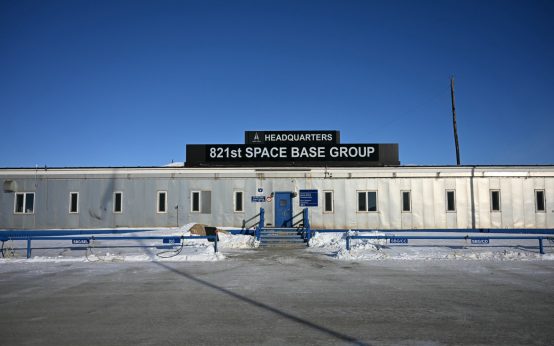 New U.S. Military Bases Planned in Greenland Amid Strategic Security Deal
  Twitch Streamer Hasan Piker Discusses Controversial Commentary
  A Shifting Political Landscape: The Decline of Autocratic Power