
In Florida, numerous families are choosing not to send their children to school due to concerns over potential operations by Immigration and Customs Enforcement (ICE). This decision stems from the anxiety about possible ICE actions targeting undocumented immigrants within communities.
These fears are not unfounded, as ICE has been actively involved in several initiatives that heighten such concerns. For instance, ICE has procured ‘zap gloves’ for use on suspects who do not comply, a move aimed at bolstering their enforcement capabilities.
Further, ICE agents are set to receive electrical shock gloves, enhancing their ability to detain non-compliant individuals. This addition to their enforcement tools has intensified the apprehension among affected communities.
Recent incidents such as an ICE agent brandishing a firearm at a Virginia woman emphasize the tension between ICE operations and civilians. Additionally, the agency plans to introduce body cameras for its officers this week, a step towards greater accountability.
The political environment contributes to insecurity as well. New executive orders from the Trump administration seek to restrict birthright citizenship, intensifying anxiety over immigration policies.
Nationwide, anti-ICE protests reflect the public’s growing resistance to these measures. In one incident, a Ukrainian woman was detained by ICE at San Francisco’s airport, highlighting the reach of these operations.
Attorneys continue to face challenges navigating the evolving legal landscape under the current administration’s interpretation of immigration laws. While a recent reversal of a Department of Homeland Security order by Trump regarding ICE officers provides some reprieve, overall policy shifts cause ongoing uncertainty.
Tragedies have occurred during ICE pursuits, leading to a temporary halt of these operations after fatal incidents in Maine and Texas. These situations often escalate; for example, a man attempting to flee ICE officers in Florida was killed.
In response to the instability faced by families fearing deportation, community members, such as a priest in one instance, have stepped up to assume guardianship roles for affected children. Such actions underscore the impact ICE activities are having on communities.
Surveillance footage sheds light on tense moments, like an ICE-involved shooting in Maine. Following a spate of such incidents, ICE has issued a temporary national order for officers to cease vehicle pursuits, acknowledging the dangers posed by these actions.
Globally, nations are adopting stricter deportation policies and tightening border controls as the U.S. clamps down on immigration, escalating the international reverberations of these policies.
In Houston, a deadly incident involving an immigration officer underscores the lethal consequences that can arise during ICE operations. Concurrently, a former Wisconsin judge recently managed to avoid prison time despite obstructing an ICE arrest, illustrating the contentious intersections between law enforcement and the judiciary.
In Houston, another arrest by ICE resulted in a suspect’s fatal shooting, illustrating the potential for violence during these encounters. Meanwhile, the release of a nun, detained by ICE while en route to church, reveals the breadth of individuals affected by immigration enforcement operations.
 Addressing Alaska’s Housing Dilemma Amidst Stagnant Growth
  Concerns Raised Over Airline Security After FlyDubai Incident
 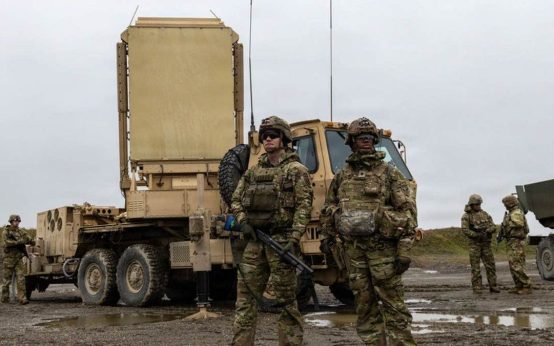 U.S. Military Exercises in Arctic Highlight Strategic Shifts
  Richard Ables: Compassionate Guide at Hall Brothers Funeral Home
 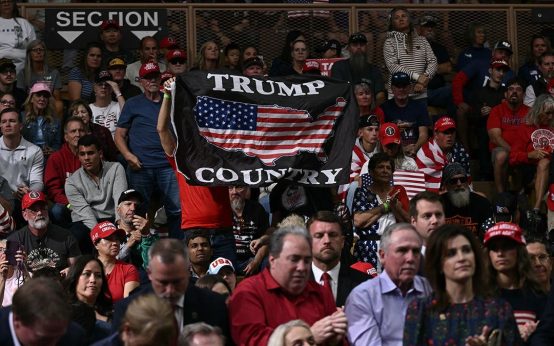 Football Coach Jon Gruden Joins Trump Rally in Ohio
  Fugitive Arrested 17 Years After Fatal Silicone Injection