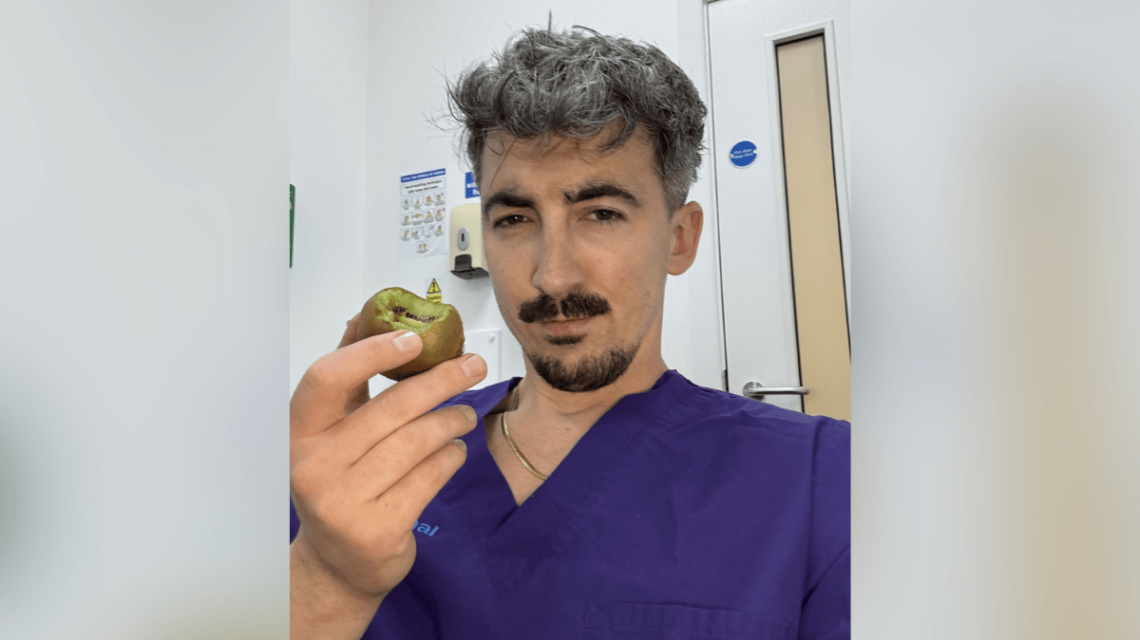
Jordan Haworth, a gastrointestinal physiologist from the Functional Gut Clinic in the U.K., has shared insights into foods he avoids to maintain optimal gut health. Haworth’s expertise, gained over nearly a decade, focuses on identifying and addressing digestive issues.
Haworth acknowledged, When I first started, I didn’t realize gut health was a thing.
He noted the significant impact of gut health on overall wellbeing, including its effects on mood, metabolism, skin condition, and immunity.
Despite rising interest, many remain unaware of gut health’s importance. A 2024 survey by Danone North America revealed that 41% of Americans are unfamiliar with the gut microbiome and 50% don’t understand its impact on gut health.
The Gut Microbiome
The microbiome is a complex community of trillions of bacteria and other microbes residing in the digestive tract, aiding in digestion, producing beneficial compounds, supporting the immune system, and protecting against harmful pathogens.
The Fundamentals of Gut Health
Haworth suggests gut health often gets overcomplicated due to commercial interests. He emphasizes that maintaining gut health doesn’t require expensive supplements.
He advises focusing on the foundations
of gut health:
- Fiber: Beans, oats, apples, pears, whole grains, chia seeds, psyllium.
- Polyphenols: Blueberries, red cabbage, coffee, dark chocolate, olive oil.
- Fermented foods: Yogurt, kefir, kimchi, sauerkraut.
Additionally, he stresses the importance of adequate sleep, stress management, and regular exercise.
Importance of Avoiding Food Poisoning
Haworth identifies food poisoning as a major disruptor of gut health due to lingering effects of pathogens.
Remarkably, 20% of those infected with Campylobacter may develop post-infectious Irritable Bowel Syndrome (IBS). The culprit is a toxin called CdtB, which damages the gut and may increase sensitivity to certain foods.
Haworth emphasizes the need for proper food storage and cooking, cautioning against typical sources of food poisoning like buffets and kebabs.
Foods Haworth Avoids
Raw Oysters
Oysters are filter feeders and can accumulate bacteria and pathogens from water. While Haworth has tried raw oysters, he prefers them cooked or processed to ensure safety.
Rare Beef Burgers
Rare beef burgers pose a risk since minced beef may have distributed bacteria throughout the patty during processing. Choosing rarer options increases foodborne illness risk.
Sushi
Despite sushi-grade fish being deep-frozen to kill parasites, bacterial risks remain. Sushi should be eaten quickly after preparation to minimize risk.
Sprouts
Sprouts grow in conditions favorable for bacterial growth, near soil laden with bacteria and are often consumed raw, increasing food safety risks.
Pre-Packaged Salad Bags
Pre-packaged salads can be contaminated during various stages of production and distribution. CDC links leafy greens to food poisoning outbreaks due to uncooked consumption.
Haworth suggests buying individual items and washing them thoroughly. If I want to eat spinach, I’ll buy spinach by itself and wash it thoroughly.
 Insights from Whistleblower Tyler Shultz on the New Documentary
  President Trump Establishes Women’s Health Initiatives
  New Synthetic Opioid Cychlorphine Sparks Health Concerns
  Infections Responsible for 1 in 8 Cancer Cases Globally
  Iowa Voters Concerned About Rising Cancer Rates
  Rising Costs and Challenges Facing the Affordable Care Act