
Global temperatures are rising. Summers are becoming more intense and hazardous. Many regions worldwide are experiencing more frequent heat waves. These conditions are not only uncomfortable but can also be life-threatening.
Duane Stilwell’s Experience
Duane Stilwell moved to Guadalupe, Arizona five years ago. He’s spent 68 years in various places, including Mexico, Ohio, Illinois, California, and New York. Yet, the increasing heat in Arizona is challenging even his patience. Last summer, Maricopa County had 113 consecutive days exceeding 100°F. As a result, Duane’s fig trees stopped bearing fruit and some of his cacti started dying. Tragically, a neighbor succumbed to heat stroke. Duane now questions if he will need to relocate again.
Rise in Heat Waves
Arizona isn’t alone in this struggle. Since 1980, the U.S. has seen heat waves double in frequency. The season for heat waves has extended from 40 to 70 days. Experts predict that future summers will intensify even more. How can you protect yourself and your family?
Recommendations from Experts
NPR’s Short Wave podcast interviewed experts like Kim McMahon from the National Weather Service and Nick Staab, who oversees extreme heat response in Maricopa County. They offer various approaches:
- Avoid outdoor activities during peak heat hours.
- Use the NWS’s HeatRisk tool. It evaluates outdoor conditions using local climatology and CDC data.
- Stay hydrated and take cold showers to manage body temperature.
- Install dark curtains at home to minimize sunlight exposure.
- Public health departments can enhance accessibility to cooling centers and ensure the public knows about them. Maricopa County’s Heat Relief Network serves as a model.
Climate scientist Justin Mankin proposes adopting ‘heat days’ similar to snow days. Schools, camps, and sports events should be canceled during high-risk periods.
Reducing greenhouse gas emissions is critical. Corporations and nations must take action. This effort addresses the root cause of increasingly hot summers.
Get Involved
The episode is part of the Nature Quest, a monthly segment. It explores listeners’ questions about environmental changes in their area. Send inquiries to [email protected] and provide your information.
Support NPR’s work by subscribing to Short Wave+ at plus.npr.org/shortwave. Listen to Short Wave on major platforms like Spotify and Apple Podcasts.
Production credits go to Hannah Chinn and Rachel Carlson. Rebecca Ramirez edited it with fact-checking by Tyler Jones. Jimmy Keeley served as the audio engineer.
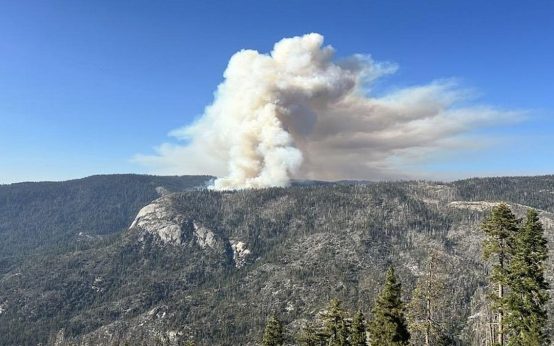 Helicopter Crash Claims Lives of Two Firefighting Pilots in Yosemite
 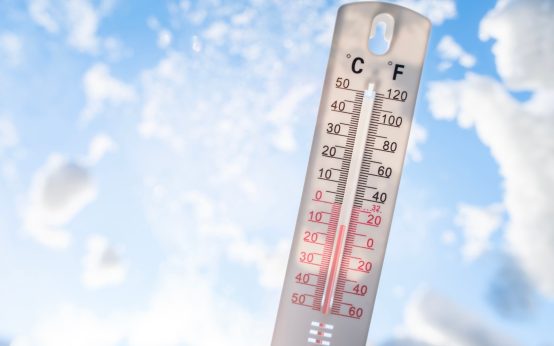 Cold Weather Alerts and El Niño Influence
 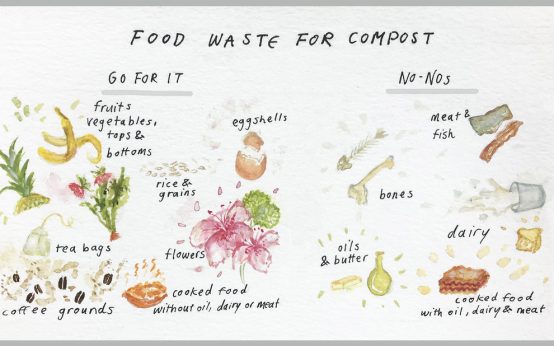 Turning Home Food Waste into Compost: A Guide
  Chicagohenge: When Sunlight Aligns with City Streets
 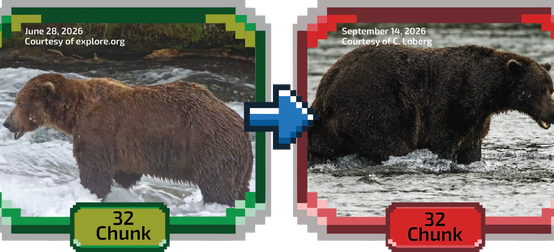 Fat Bear Week 2026: A Look at the Contest and Its Competitors
  California Governor Declares Statewide Emergency Ahead of El Niño Storms