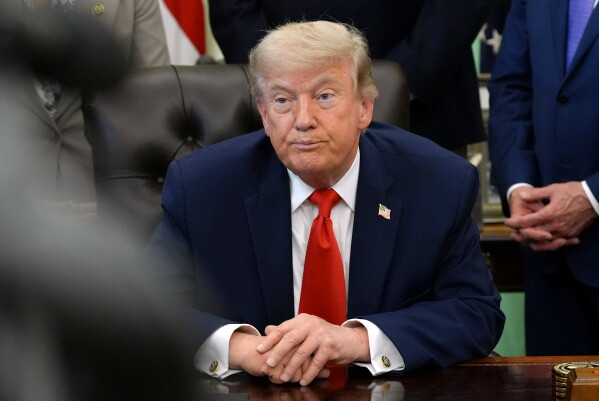
A recent analysis by the Associated Press-NORC Center for Public Affairs Research reveals growing dissatisfaction among independent voters towards President Donald Trump during his second term. This discontent is particularly notable among those without a college degree.
The detailed research, which examines data from nearly two dozen AP-NORC polls conducted between July 2024 and April 2026, highlights several key periods influencing public opinion. These include the latter half of 2024, Trump’s initial 100 days in office, the summer of 2025 legislative activities, last year’s government shutdown, and the onset of the Iran war.
The findings indicate a significant decline in Trump’s standing among independents throughout these times. Notably, there is a marked drop in support from minority groups such as Black and Hispanic independents, who had shown shifts towards Trump in the 2024 election cycle.
An increasing number of Americans now identify as independents, a group that moved towards Trump in the 2024 presidential election. A decline in support from these voters poses a potential risk for Trump and Republicans as they approach the upcoming midterm elections, widely viewed as a reflection of voter sentiment regarding the ruling party.
Tafari Torres, a senior research associate at NORC, remarked on the evolving views of independents. “Independents are reacting to the events and dropping in their support,” Torres stated.
Declines During Early Days
Trump’s re-entry into the White House was partly driven by independents who perceived him as adept on issues like the economy. Yet, as his term unfolded, their views took a negative turn. Prior to his return and shortly after, around 48% of non-college-educated independents viewed Trump favorably, but this number plummeted to 31% during his initial months in office. Their approval further decreased to about a quarter during subsequent challenges, such as the government shutdown.
Meanwhile, college-educated independents held less favorable views from the outset, with their approval dipping only slightly, reflecting a less dramatic change.
Sean Collins, a research associate involved in the analysis, noted, “The decline among non-college independents was steeper and more significant than among college-educated independents.”
Dissatisfaction Among Hispanic and Younger Voters
While non-college-educated Americans have played a crucial role in Trump’s support base, the 2024 election also saw Trump advance among typically Democratic-leaning groups, like Hispanic voters. AP VoteCast indicated that 42% of independents voted for Trump in 2024, up from 37% in 2020.
Nevertheless, nearly half of Hispanic independents viewed Trump favorably around the time of the election. This approval significantly waned to 15% during the government shutdown and settled at about a quarter by spring.
Younger independents have also become less favorable towards Trump, while those aged 60 and above showed more stability in their views.
Torres commented, “The gains Trump made during the election don’t seem to be lasting. He’s experienced notable shifts among those groups.”
Economic Concerns Fuel Frustration
The analysis identifies economic issues as central to voter frustration with Trump. Many independents who supported Trump in 2024 cited inflation as a crucial factor, expressing concerns over the cost of essentials such as food and gas.
Inflation remains high over a year into Trump’s second term, partly driven by ongoing international conflicts like the Iran war. AP-NORC’s April poll shows a consistent worry among 30% of independents about affording groceries and gas.
People’s perception of the U.S. economy often aligns with their view of the president, and about 80% of independents viewed the economy as poor this spring.
In May, only around 30% of independents approved of Trump’s handling of the economy, consistent with opinions from the start of his second term. Furthermore, an April poll highlighted that merely 12% of independents approved of his management of the cost of living.
This thorough analysis involved 4,836 independents evaluated through 21 AP-NORC surveys. Independents are defined as those who do not affiliate or lean towards either the Democratic or Republican parties.
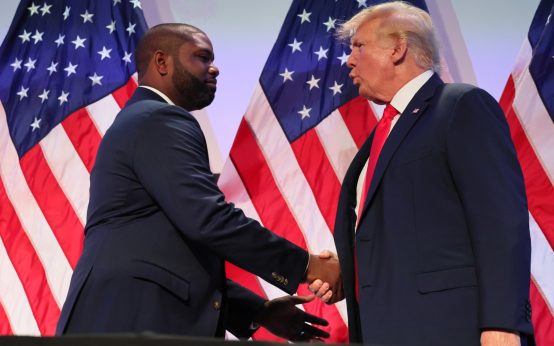 Florida Governor Race: Byron Donalds Adjusts Campaign Approach
  Trump Meets Zelensky and Plans for U.S.-China Relations
 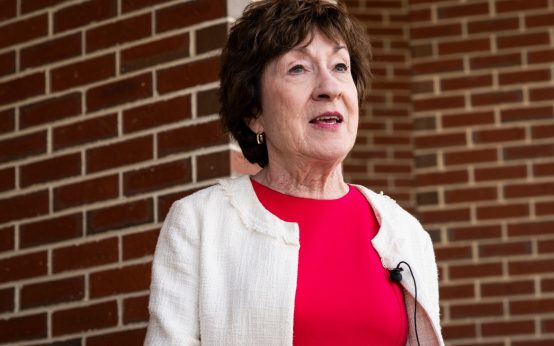 Tight Senate Race in Maine as Susan Collins Faces Criticism
 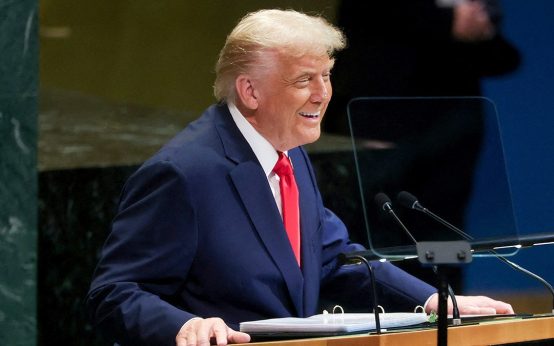 Trump’s Vision on Iran, AI, and Global Security at the UN
  Noncitizens Charged with Voter Fraud in the U.S.
  Nevada Attorney General Faces Questions Over Clemency Support for Convicted Killer